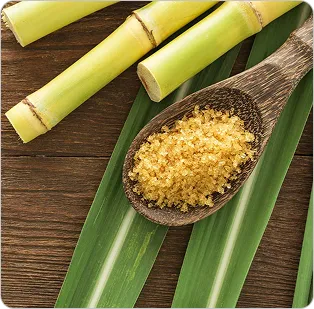
bagasse pulp
Learn More


 15:12
15:12 Plastic packaging is under pressure. Buyers need greener options, but weak pulp can cause poor molding, rough edges, soft trays, and delayed production. Sugarcane bagasse pulp offers a practical way to turn agricultural waste into stronger molded packaging and eco-friendly food packaging.
Sugarcane bagasse pulp is made by collecting the fibrous residue left after extracting juice from sugarcane stalks, cleaning and depithing the fiber, processing it into pulp, forming pulp sheets or boards, and using it for molded pulp packaging, tableware, trays, and paper products.
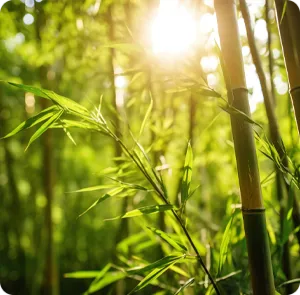
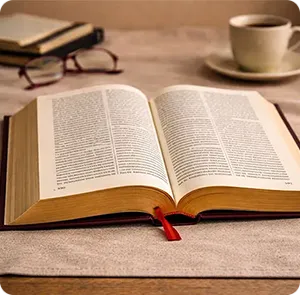
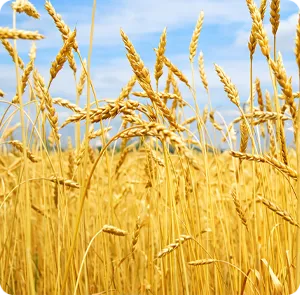
As a China-based B2B supplier of eco-friendly pulp and sustainable paper materials, Sheeon Pulp supplies bagasse pulp together with bamboo pulp, wheat straw pulp, Bible paper, stone paper, and related paper solutions. We help food packaging producers, disposable tableware factories, pulp importers, distributors, and paper manufacturers choose stable materials for long-term export projects.
Sugarcane bagasse is the fibrous material left after sugarcane stalks are crushed and the juice is removed. In simple terms, sugarcane stalks are crushed, the sweet juice goes to sugar production, and bagasse is the fibrous residue left behind. This makes bagasse a useful raw material for pulp, paper, tableware, and molded packaging.
The use of bagasse gives sugarcane waste a second life. Instead of treating it only as agricultural waste, manufacturers can turn it into bagasse fiber for pulp production. In some regions, sugar mills use bagasse as a biofuel, but it can also be made into higher-value pulp products for sustainable packaging.
For B2B buyers, this story is simple and useful. The material is made from sugarcane residue. It supports eco-friendly packaging and can help replace selected plastic packaging or wood pulp-based materials. That is why bagasse is now widely discussed in the packaging industry.
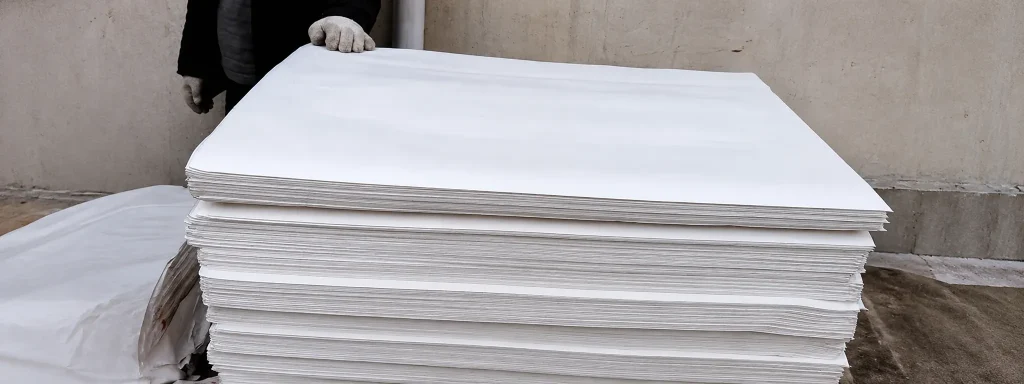
The production process of sugarcane bagasse pulp starts after extracting juice from sugarcane. The leftover bagasse is collected, cleaned, and prepared for pulp production. This early stage is important because dust, pith, soil, and impurities can affect the final quality of molded pulp.
A typical production flow looks like this:
Sugarcane Juice Extraction
↓
Bagasse Collection
↓
Cleaning and Depithing
↓
Pulping Process
↓
Pulp Washing and Screening
↓
Bleaching or Natural Color Control
↓
Sheet Forming / Board Making
↓
Drying, Cutting, Packing
↓
Use in Paper, Tableware, Trays, and Molded Packaging
After pulp preparation, the bagasse pulp may be supplied as pulp sheets, boards, or other forms depending on the buyer’s needs. Some buyers need white pulp for clean-looking tableware. Others prefer natural-color pulp for a more eco-style packaging appearance.
The pulping process breaks down bagasse fiber and turns it into usable pulp. The goal is to separate fiber, remove unwanted pith and impurities, and create a stable pulp material that can be used for paper and packaging.
During the process, bagasse may go through cooking, washing, screening, refining, and sometimes bleaching. The exact method depends on the final use. Pulp for tableware may need better cleanliness and food packaging performance. Pulp for industrial packaging may focus more on strength and forming.
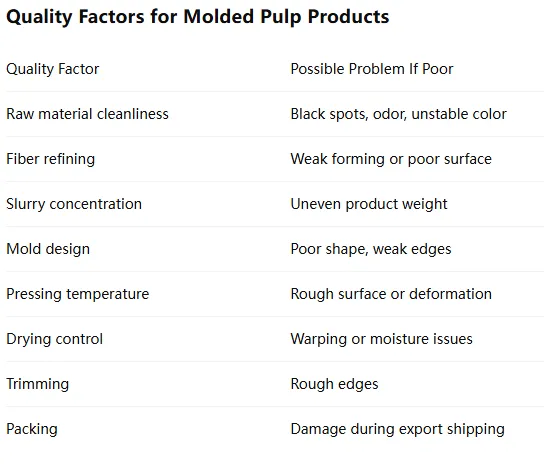
For buyers, the pulping process matters because every step affects product performance. Poor cleaning can create black spots. Weak refining can cause poor forming. Bad moisture control can affect storage. Stable bagasse pulp helps a tableware factory reduce waste and keep production smooth.
Bagasse packaging is considered eco-friendly because it uses sugarcane residue instead of relying only on fresh wood pulp or fossil-based plastic. It helps reduce waste by turning agricultural waste into useful packaging material.
Bagasse is also a strong fit for sustainable packaging because it supports a clear product story: sugarcane is harvested, juice is extracted, and the leftover fiber becomes pulp for packaging products. For many brands, this is easier to explain than complex plastic material claims.
However, buyers should use environmental claims carefully. Bagasse products can be compostable packaging when the final product, additives, and testing meet relevant standards. Do not assume every product is automatically certified. Good suppliers should provide documents for food contact, compostability, and market compliance when needed.
Bagasse, wood pulp, and plastic packaging each have different strengths. Bagasse comes from sugarcane residue. Wood pulp comes from trees. Plastic packaging usually comes from fossil-based polymer materials. The best choice depends on the product, market rules, cost target, strength needs, and disposal route.
Compared with wood pulp, bagasse pulp has a strong agricultural waste story. Compared with plastic packaging, bagasse packaging can support a more eco-friendly alternative in selected food service and packaging applications. But it may not replace plastic in every use, especially where long shelf life, sealing, or high barrier performance is required.
The quality of molded pulp packaging depends on pulp quality, fiber condition, slurry control, mold design, hot pressing, drying, trimming, and packing. If one step is weak, the final product may have rough edges, uneven thickness, weak corners, surface marks, or poor stacking performance.
Bagasse fiber quality is especially important. Clean fiber helps improve the quality of molded pulp. Good slurry control helps each mold cavity form evenly. Good hot pressing improves surface smoothness and product shape.
This is why B2B buyers should not only ask for the lowest cost of bagasse. They should also ask for stable pulp supply, sample testing, and repeat-order consistency.
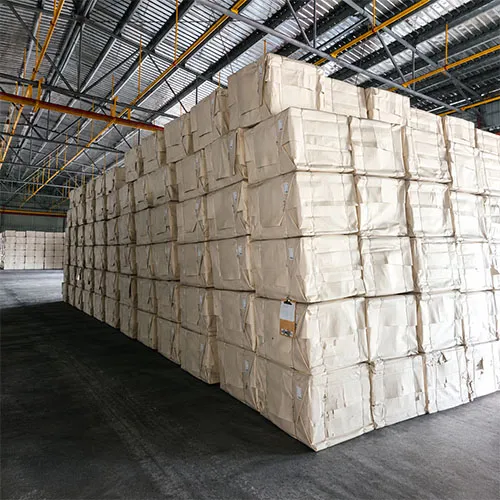
Bagasse tableware manufacturing uses pulp molding tableware equipment to make plates, bowls, trays, and containers from bagasse pulp. The production of bagasse tableware involves slurry preparation, forming, hot pressing, trimming, drying, inspection, and packing.
For food service and packaging buyers, tableware performance matters. A plate should not become soft too fast. A tray should hold food properly. A clamshell box should close well. A bowl should have enough stiffness. These results depend on pulp, mold, process control, and product design.
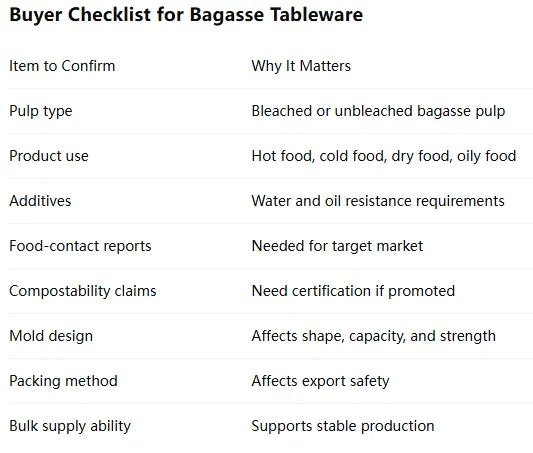
A serious tableware buyer should send drawings, photos, target size, capacity, market, and performance needs before requesting a quotation.
Yes. Bagasse pulp can be used for selected industrial packaging, especially where molded fiber protection is needed. Examples may include protective inserts, corner pads, light product trays, electronics inserts, and retail packaging support pieces.
Industrial packaging does not always need food-contact performance, but it still needs strength, shape stability, cushioning, and clean appearance. Bagasse can be molded into protective forms when the pulp, mold, and forming process are designed correctly.
For buyers who want sustainable products in non-food packaging, bagasse may help reduce dependence on foam or plastic inserts. But it must be tested with the actual product weight, drop conditions, humidity, and shipping environment.
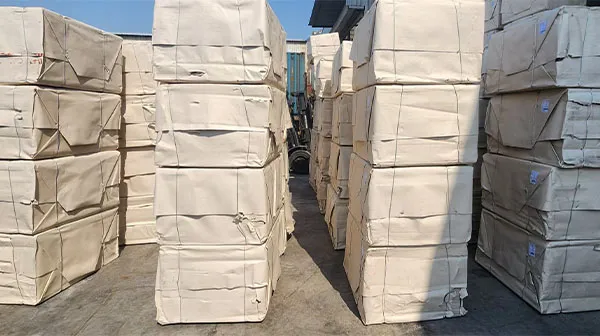
A good bagasse pulp supplier should understand both pulp production and final application. Buyers should not choose only by price. A low-cost pulp that causes high rejection rates can become expensive very quickly.
Before buying, ask for material samples, product application suggestions, packing details, delivery ability, and customization support. Also confirm whether the supplier can support bleached pulp, unbleached pulp, food packaging needs, and repeat shipments.
Sheeon Pulp is a China-based B2B supplier specializing in eco-friendly pulp and sustainable paper materials. Our product range includes bagasse pulp, bamboo pulp, wheat straw pulp, Bible paper, stone paper, and related paper solutions.
For bagasse specifically, Sheeon Pulp supports buyers who need material for molded pulp packaging, tableware, food packaging, pulp molded products, paper and packaging, and sustainable packaging solutions. We understand that overseas buyers care about more than material names. They care about supply stability, customization, export service, and long-term supplier reliability.
Sheeon Pulp serves paper product manufacturers, food packaging factories, disposable tableware producers, printing buyers, eco-friendly material brands, pulp importers, distributors, and industrial raw material buyers. If you need a stable China-based supplier for pulp products for sustainable packaging, Sheeon Pulp can help you compare materials and choose the right path.
Imagine a European food packaging importer wants a natural-looking tray for fresh fruit and takeaway meals. The buyer wants to reduce plastic packaging and improve the brand’s eco-friendly image. The product must stack well, hold food, and look clean on retail shelves.
In this case, bagasse pulp can be tested as a raw material for molded pulp trays. The factory can adjust the mold, pulp slurry, pressing time, and trimming process. The buyer can test tray strength, stacking, food contact, water resistance, oil resistance, and packing performance.
If the trial works, the buyer can scale from sample orders to bulk supply. This is how bagasse can be molded into a practical packaging solution, not just an environmental idea.
Sugarcane bagasse pulp is pulp made from the fibrous residue left after extracting juice from sugarcane stalks. It can be used for paper, tableware, molded pulp packaging, trays, and other packaging products.
Bagasse pulp is made by collecting sugarcane bagasse, cleaning and depithing it, processing it through pulping, washing, screening, and sometimes bleaching, then forming it into pulp sheets or boards for later use.
Yes, bagasse pulp can be used for food packaging when the final material, additives, production process, and testing meet target market requirements. Buyers should confirm food-contact documents before bulk orders.
Yes. Bagasse can be molded into eco-friendly tableware such as plates, bowls, trays, clamshell boxes, and food containers through the pulp molding process.
Bagasse packaging can be compostable when the product is made with suitable materials and passes relevant compostability testing. Buyers should request certificates before making compostable packaging claims.
Bagasse can be a sustainable alternative to plastic packaging for selected food service and molded packaging applications. However, plastic may still be needed for some high-barrier or long shelf-life uses.
Bagasse pulp comes from sugarcane residue, while wood pulp comes from trees. Bagasse has a strong agricultural waste story and is often used for molded pulp packaging and tableware.
Yes. Sheeon Pulp can support B2B buyers with bagasse pulp sourcing, material comparison, sample discussion, OEM/ODM customization, bulk supply, and global export service.
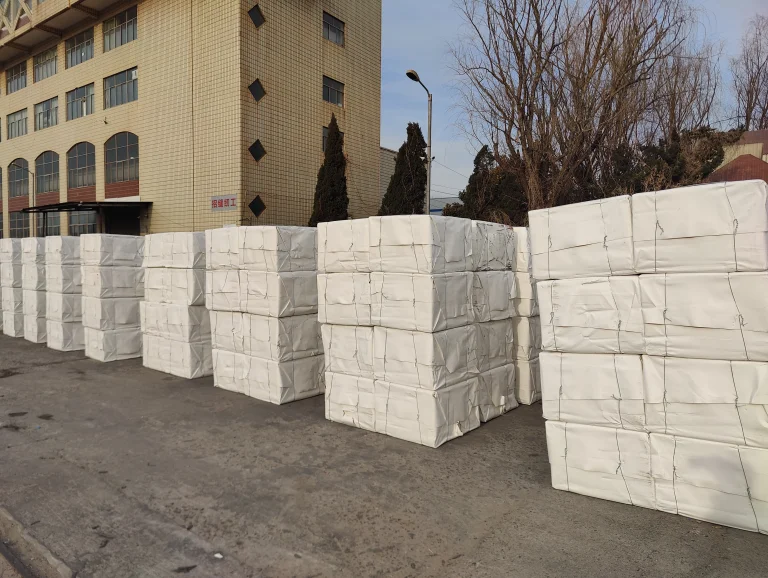
Bamboo paper is paper made wholly or partly from bamboo pulp, so buying it means choosing a pulp grade. Sheeon publishes bleached bamboo pulp at about 85% brightness with fibers longer than 1.7 mm, and unbleached at 40–43% brightness with fibers longer than 2.2 mm.
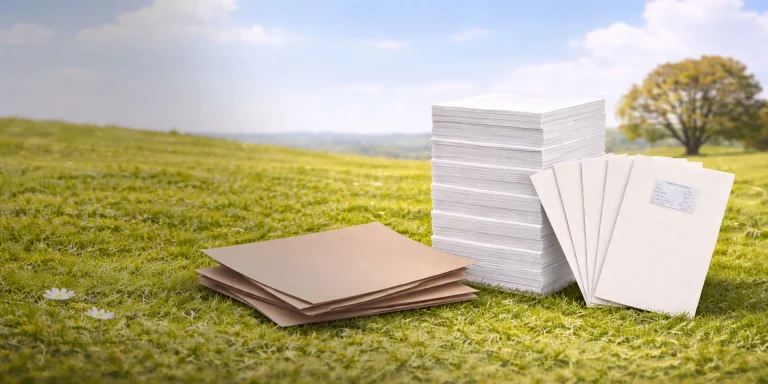
Bamboo paper is paper made wholly or partly from bamboo pulp, so buying it means choosing a pulp grade. Sheeon publishes bleached bamboo pulp at about 85% brightness with fibers longer than 1.7 mm, and unbleached at 40–43% brightness with fibers longer than 2.2 mm.