bagasse pulp
Learn More


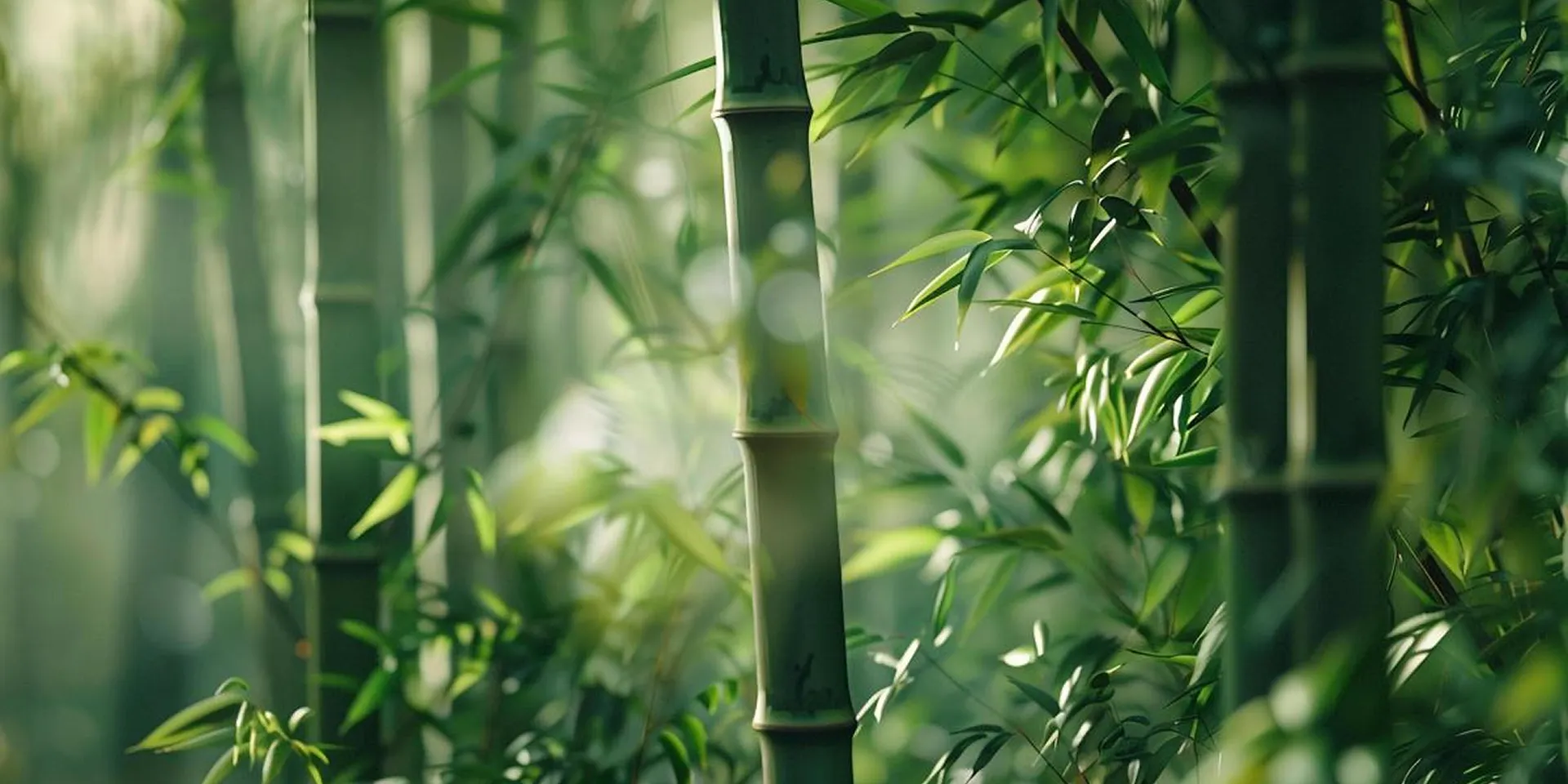
Premium bamboo pulp with natural antibacterial properties. Bleached & unbleached options. CE, FSC, SGS certified. Fast-growing, sustainable raw material. Ideal for tissue paper, food packaging & tableware. Contact Sheeon today

Bamboo pulp is a high-quality, eco-friendly pulp derived from bamboo species such as moso bamboo, nanzhu, and cizhu. Unlike traditional wood pulp, bamboo is a rapidly renewable resource with a short growth cycle—reaching maturity in just 3-5 years compared to 20-30 years for trees. This makes bamboo pulp one of the most sustainable alternatives in the pulp and paper industry.
What sets bamboo pulp apart is its unique natural composition. Bamboo contains bamboo quinone, a naturally occurring antibacterial compound that provides inherent antimicrobial properties. This makes bamboo pulp particularly suitable for hygiene products such as facial tissues, toilet paper, and food-contact packaging, where cleanliness and safety are paramount.

At Sheeon, we specialize in producing both bleached and unbleached bamboo pulp to meet diverse application needs. Our bamboo pulp features medium fiber length, fine and soft texture, high bulk and tear resistance, and excellent mechanical strength. With certifications from CE, FSC, and SGS, our bamboo pulp is trusted by customers across Europe, including Germany, Belgium, Spain, and France.
Compared to logging, bamboo cultivation has virtually zero environmental impact, contributing significantly to carbon neutrality and environmental protection. By choosing Sheeon’s bamboo pulp, you’re not only investing in quality—you’re supporting a greener future.

Our state-of-the-art production facilities and rigorous quality control ensure consistent, high-quality bamboo pulp that meets international standards

We carefully source bamboo from sustainable plantations in China, selecting only mature bamboo species such as moso bamboo and nanzhu. Each batch undergoes strict quality inspection to ensure optimal fiber length and purity
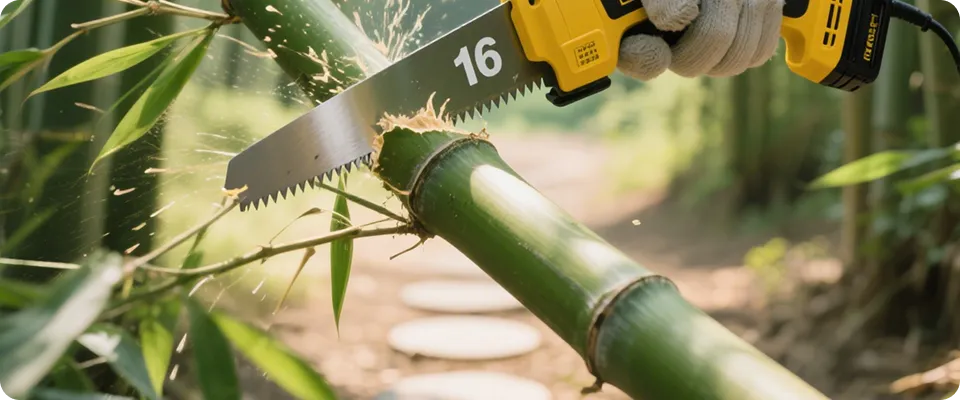
The bamboo is cleaned, debarked, and chipped into uniform pieces to facilitate efficient pulping. This step is critical for achieving consistent fiber quality
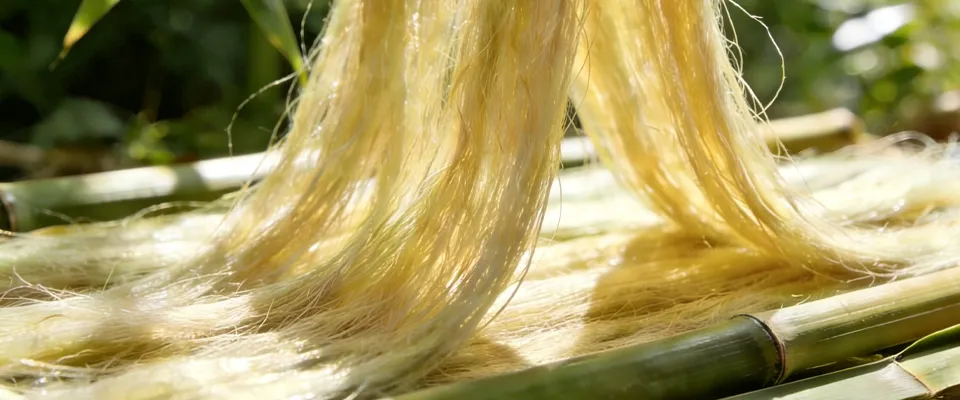
We use advanced chemical pulping methods, including kraft and sulfite processes, to break down the bamboo chips into individual fibers. This process preserves the natural strength and softness of bamboo fibers while removing lignin and other impurities

For bleached bamboo pulp, we employ ECF (Elemental Chlorine-Free) bleaching technology to achieve high brightness (≥85%) while adhering to strict environmental standards. Our bleaching process is carefully controlled to maintain fiber integrity and minimize chemical usage.

The pulp is thoroughly washed to remove residual chemicals and screened to eliminate oversized particles and contaminants, ensuring a clean, uniform product
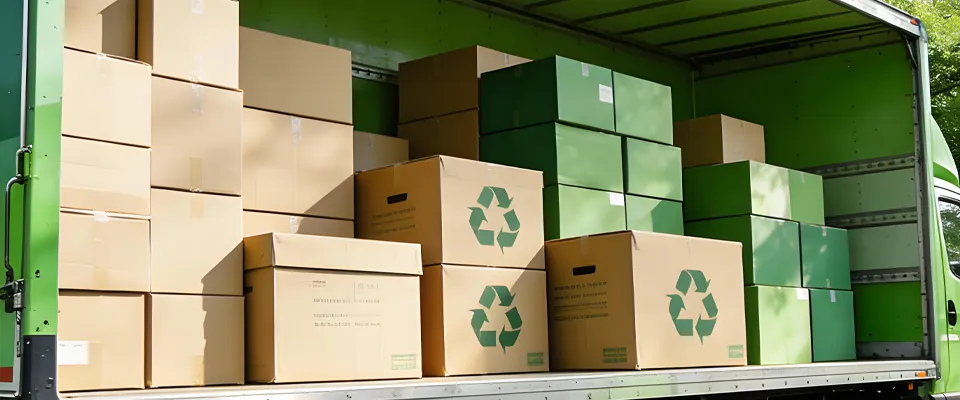
The final pulp is dried to the optimal moisture content (≤20%) and pressed into sheets or bales for easy handling and transportation. Each batch is labeled with detailed specifications and quality certificates

Every production batch undergoes rigorous testing for brightness, dirt count, tensile index, tear index, burst index, viscosity, and fiber length, ensuring compliance with GB/T standards and customer requirements
 Why Choose Sheeon's Bamboo Pulp
Our bamboo pulp stands out for its natural antibacterial properties, superior fiber quality, and commitment to sustainability

Bamboo pulp contains bamboo quinone, a natural antimicrobial compound that inhibits bacterial growth. This makes it ideal for hygiene products like facial tissues, toilet paper, and food-contact packaging, adding extra safety and cleanliness.

Bamboo reaches maturity in just 3-5 years, making it one of the most sustainable raw materials available. By choosing bamboo pulp, you're reducing reliance on slow-growing trees and supporting global carbon neutrality efforts.

Our bamboo pulp features medium fiber length (1.7-2.2mm), fine and soft texture, high bulk, and excellent tear resistance. These properties make it perfect for producing premium tissue paper, packaging materials, and disposable tableware.

We offer both bleached bamboo pulp (brightness ≥85%) for high-end applications and unbleached bamboo pulp (brightness 40-43%) for eco-conscious customers seeking natural, minimally processed materials.

Our bamboo pulp is certified by CE, FSC, and SGS, ensuring compliance with European, American, and international quality and safety standards. You can trust Sheeon for reliable, food-grade pulp solutions.

With over 10 years of export experience, we have built strong partnerships with customers in Germany, Belgium, Spain, France, and beyond, providing tailored solutions based on European market requirements.
In today's world, environmental responsibility is no longer optional—it's essential. At Sheeon, we are committed to providing pulp solutions that minimize environmental impact while delivering exceptional performance.


Zero Deforestation: Unlike traditional wood pulp, bamboo pulp does not contribute to deforestation. Bamboo is a grass, not a tree, and regenerates naturally after harvesting without the need for replanting. This protects forests and biodiversity.
Rapid Carbon Sequestration: Bamboo absorbs significantly more CO₂ than most tree species, making it a powerful tool in the fight against climate change. By using bamboo pulp, you’re actively contributing to carbon reduction and climate neutrality.
Low Water and Chemical Usage: Our advanced pulping and ECF bleaching processes are designed to minimize water consumption and chemical usage, reducing pollution and environmental footprint.
Biodegradable and Compostable: Products made from bamboo pulp, such as tissue paper and food packaging, are fully biodegradable and compostable, ensuring they return to nature without leaving harmful residues.
Circular Economy: Bamboo cultivation supports a circular economy model. Bamboo plantations improve soil quality, prevent erosion, and provide livelihoods for local communities, creating a win-win scenario for people and the planet.
By partnering with Sheeon, you’re not just sourcing high-quality bamboo pulp—you’re making a statement about your commitment to sustainability and environmental stewardship.
Our bamboo pulp meets stringent international standards, ensuring reliable performance for your applications
| Parameter | Bleached Bamboo Pulp | Unbleached Bamboo Pulp | Unit |
| Brightness | ≥85% | 40-43% | % |
| Fiber Length | 2.0-3.0 | 2.0-3.0 | mm |
| Tensile Index | ≥60 | ≥50 | N·m/g |
| Tear Index | ≥6.0 | ≥5.0 | mN·m²/g |
| Burst Index | ≥4.5 | ≥3.8 | kPa·m²/g |
| Viscosity | ≥400 | ≥380 | cm³/g |
| Moisture Content | ≤20% | 14±2% | % |
| pH Value | 6.5-8.0 | ≤8.0 | – |
| Dirt Count (small) | ≤20 mm²/500g | ≤35 mm²/500g | mm²/500g |
| Best For | Premium tissue, food packaging | Natural eco-friendly products | – |
Raw Material Inspection: Every batch of bamboo is inspected for species, maturity, and purity before processing
In-Process Monitoring: Real-time monitoring of pulping, bleaching, and washing processes to ensure consistency
Final Product Testing: Comprehensive testing of brightness, dirt count, tensile strength, tear resistance, burst strength, viscosity, fiber length, moisture, and pH
Third-Party Certification: Regular audits by SGS and other international certification bodies to verify compliance
Traceability: Each batch is assigned a unique tracking number for full traceability from raw material to finished product


Raw Material Inspection: Every batch of bamboo is inspected for species, maturity, and purity before processing
In-Process Monitoring: Real-time monitoring of pulping, bleaching, and washing processes to ensure consistency
Final Product Testing: Comprehensive testing of brightness, dirt count, tensile strength, tear resistance, burst strength, viscosity, fiber length, moisture, and pH
Third-Party Certification: Regular audits by SGS and other international certification bodies to verify compliance
Traceability: Each batch is assigned a unique tracking number for full traceability from raw material to finished product
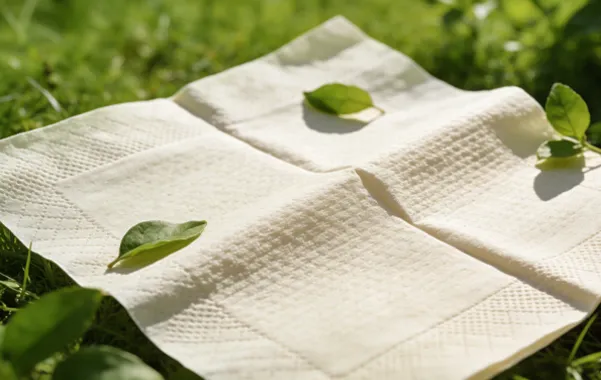
Bamboo pulp's natural antibacterial properties and soft texture make it ideal for producing high-quality facial tissues, toilet paper, and paper towels. Consumers increasingly prefer bamboo-based hygiene products for their health benefits and eco-friendliness.
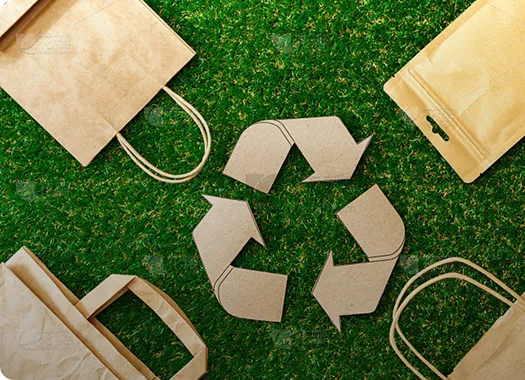
Our FSC-certified bamboo pulp is safe for direct food contact, making it perfect for food packaging bags, boxes, and wrapping paper. Its natural antimicrobial properties provide an extra layer of food safety.
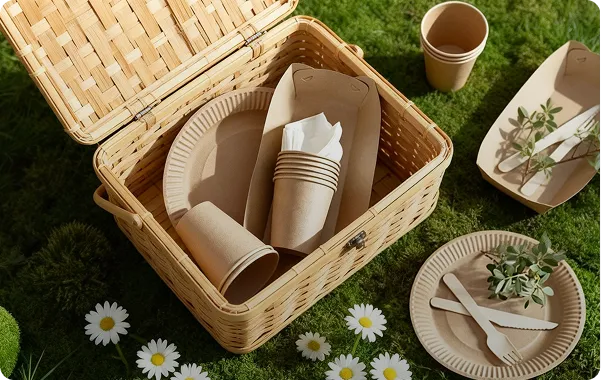
Bamboo pulp is widely used to produce biodegradable disposable plates, bowls, cups, and cutlery. These products offer a sustainable alternative to plastic tableware, meeting the growing demand for eco-friendly dining solutions.

Food manufacturers use bamboo pulp as a natural thickening agent in bread, cookies, and other baked goods. Adding a small amount of bamboo pulp helps improve texture and viscosity without compromising taste or safety.
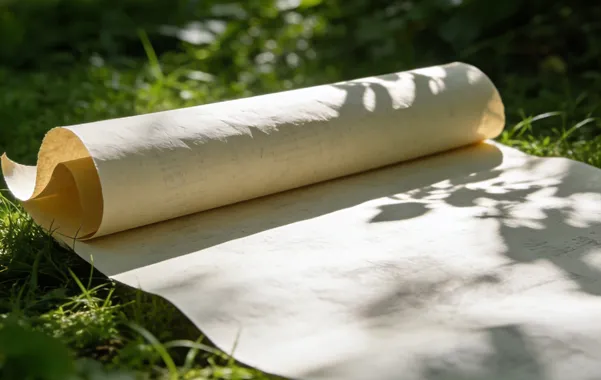
Bamboo pulp is an excellent raw material for producing printing paper, writing paper, and specialty papers. Its medium fiber length and high tear resistance ensure excellent printability and durability.
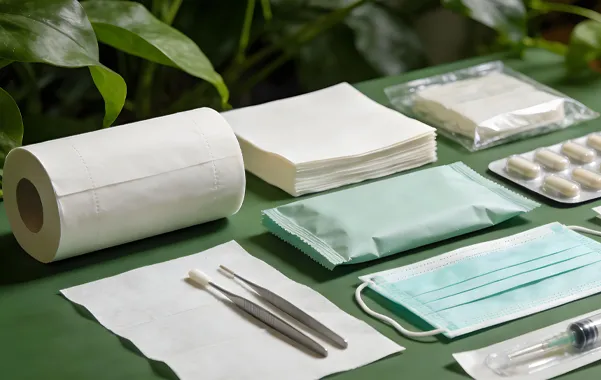
Beyond the above applications, bamboo pulp is also used in filter papers, medical supplies, and specialty packaging materials, showcasing its versatility and adaptability.
Got questions? We've got answers. Here are some of the most common questions we receive about bamboo pulp
Bleached bamboo pulp undergoes an ECF (Elemental Chlorine-Free) bleaching process to achieve high brightness (≥85%), making it ideal for premium tissue paper and food-contact packaging. Unbleached bamboo pulp retains its natural color (brightness 40-43%) and is minimally processed, appealing to eco-conscious customers seeking natural materials. Both options maintain excellent fiber quality and performance.
Yes, our bamboo pulp is FSC-certified and safe for direct food contact. It meets stringent food safety standards and is widely used in food packaging, disposable tableware, and even as a food additive (thickening agent) in baked goods.
Bamboo naturally contains bamboo quinone, a compound with inherent antimicrobial properties. This makes bamboo pulp naturally resistant to bacterial growth, providing an extra layer of hygiene and safety for products like facial tissues, toilet paper, and food packaging.
Bamboo is far more sustainable than wood. It reaches maturity in just 3-5 years (compared to 20-30 years for trees), absorbs more CO₂, requires less water, and regenerates naturally after harvesting without replanting. Choosing bamboo pulp significantly reduces deforestation and supports carbon neutrality.
Our MOQ varies depending on the product type and destination. Typically, the MOQ is one 20-foot container (approximately 18-20 tons). For customized orders or samples, please contact our sales team for more details.
Absolutely! We offer free samples (shipping costs may apply) so you can test our bamboo pulp quality before committing to a bulk order. Contact us today to request your sample.
Our bamboo pulp is certified by CE (European compliance), FSC (responsibly sourced materials), and SGS (international quality verification). We also comply with GB/T standards and undergo regular third-party audits to ensure consistent quality.
Delivery time depends on your location and order size. Typically, production takes 15-20 days, and shipping to Europe takes 25-35 days by sea. We provide full tracking and logistics support to ensure on-time delivery.