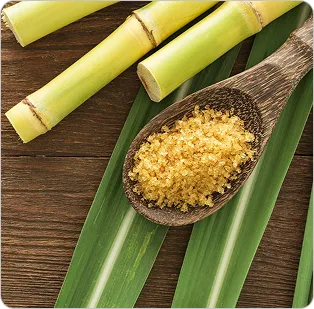
bagasse pulp
Learn More


 17:29
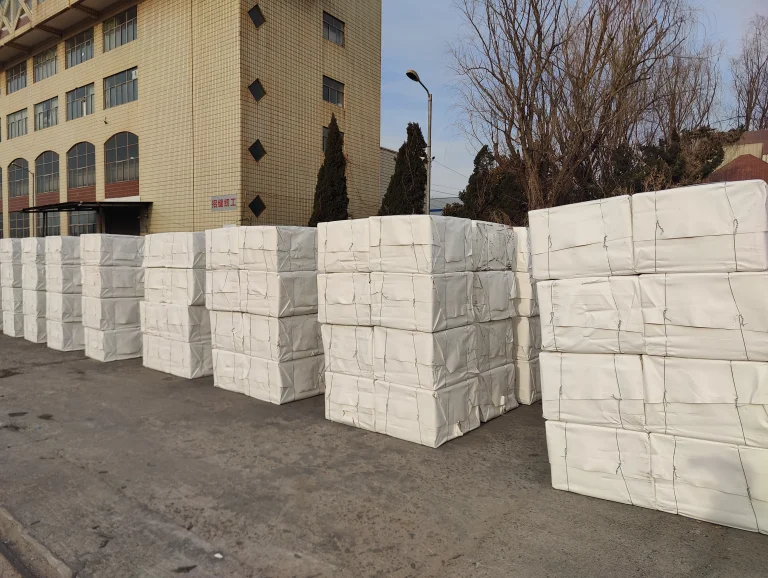
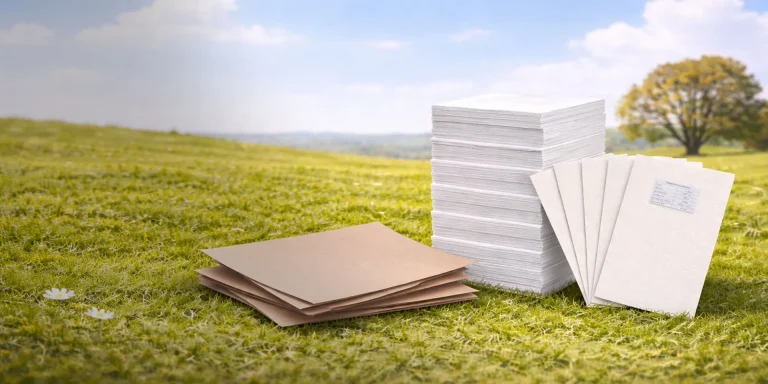
Bamboo paper is paper made wholly or partly from bamboo pulp, so buying it means choosing a pulp grade. Sheeon publishes bleached bamboo pulp at about 85% brightness with fibers longer than 1.7 mm, and unbleached at 40–43% brightness with fibers longer than 2.2 mm.
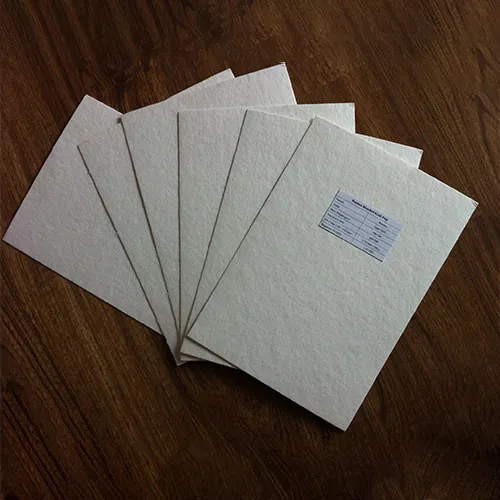
The phrase covers a wide range. A sheet can be 100% bamboo fiber, a blend of bamboo and wood pulp, or a wood-based sheet with a small bamboo share used mainly for marketing. Nothing in the term itself tells you which one you are getting. The same is true of the plural search variants, “bamboo papers” and “bamboo pulp paper.”
For a manufacturer, the practical consequence is simple: specify the pulp, not the paper name. A request for “bamboo paper” will draw quotes for very different materials. A request for bleached bamboo pulp at a stated brightness, fiber length and strength index can be compared line by line.
Bamboo is chipped, cooked with chemicals to separate the fibers from lignin, washed, and then either bleached or left unbleached. Kraft and soda cooking are both common chemical routes for non-wood fiber. This description is industry-general knowledge. Sheeon’s published pages do not state which cooking route or bleaching sequence it uses for bamboo pulp, so ask for that in writing if your process or customer audit depends on it. For a stage-by-stage walkthrough, see our guide on how bamboo pulping works.
Everything downstream depends on this choice, so settle it before comparing suppliers. Here are the two Sheeon bamboo grades side by side, using the values on the product pages:
| Parameter | Bleached Bamboo Pulp | Unbleached Bamboo Pulp |
| Brightness | ~85% | 40–43% |
| Dirt count, 0.3–1.0 mm² | <25 mm²/500 g | <35 mm²/500 g |
| Dirt count, 1.0–4.0 mm² | <20 mm²/500 g | <35 mm²/500 g |
| Dirt count, >4.0 mm² | None | None |
| Tensile index | >55 N·m/g | >50 N·m/g |
| Tear index | >8.5 mN·m²/g | >8.0 mN·m²/g |
| Burst index | >5.0 kPa·m²/g | >4.5 kPa·m²/g |
| Fiber length | >1.7 mm | >2.2 mm |
| Viscosity | 600–800 ml/g | Not published |
Two things stand out. The unbleached grade has the longer published fiber length but lower strength indices. The likely reason is that bleaching and processing change fiber properties.
Bleached Bamboo Pulp is the grade most paper makers ask about first, so it is worth reading line by line.
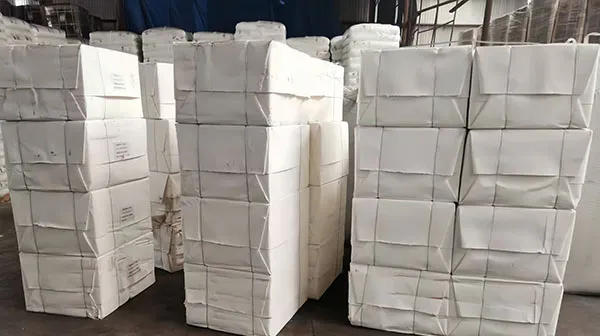
Buyers who consider bamboo often consider two other alternative fibers at the same time. Here are the bleached grades from Sheeon’s own catalog:
| Parameter | Bleached Bamboo | Bleached Bagasse | TCF Bleached Wheat Straw |
| Brightness | ~85% | >80% | ≥75% |
| Fiber length | >1.7 mm | Not published | 0.8–1.2 mm |
| Tensile index | >55 N·m/g | >55 N·m/g | ≥45 N·m/g |
| Tear index | >8.5 | >5.0 | ≥4.5 |
| Burst index | >5.0 | >4.0 | ≥3.5 |
| Dirt count | <25 / <20 mm²/500 g (two bands) | <35 mm²/500 g (0.3–5.0 mm²) | ≤30 mm²/500 g |
Compared with the bagasse and wheat straw grades in the same catalog, bleached bamboo pulp has the highest published brightness and the highest published tear and burst floors. Its published fiber length is also longer than wheat straw’s. Compared with conventional wood-pulp-only sourcing, the difference is mainly raw material: bamboo gives you a non-wood fiber source.
A caution on the dirt count row. The size bands differ across the three products, and the wheat straw figure does not state its band on the page. These numbers are not directly comparable, and ranking the three by dirt count would be wrong. Ask each grade’s report for the same bands before comparing.
Sheeon‘s website lists CE, FSC and SGS for its bamboo pulp, and the individual product pages also reference FDA-related compliance. The reviewed pages do not disclose certificate numbers, issuing bodies, scopes or validity dates. Treat these as website claims until you have documents in hand.
Honest drawbacks for a buyer:
In its favor: the spec sheet gives numeric floors for strength, speck counts in two size bands, and a stated fiber length for both grades, which is more than many “bamboo paper” listings offer.
No. Bamboo pulp is the raw fiber material. Bamboo paper is the finished sheet, which can be fully or partly made from that pulp.
Sheeon publishes about 85% for bleached bamboo pulp and 40–43% for the unbleached grade.
The published fiber length is above 1.7 mm for bleached and above 2.2 mm for unbleached bamboo pulp.
The website lists FSC for bamboo pulp, but certificate details are not published. Verify the holder, scope and status in the FSC public certificate database.
Pricing is on request and depends on grade, specification, order volume, packaging and delivery requirements.
Bamboo paper is paper made wholly or partly from bamboo pulp, so buying it means choosing a pulp grade. Sheeon publishes bleached bamboo pulp at about 85% brightness with fibers longer than 1.7 mm, and unbleached at 40–43% brightness with fibers longer than 2.2 mm.
Bamboo paper is paper made wholly or partly from bamboo pulp, so buying it means choosing a pulp grade. Sheeon publishes bleached bamboo pulp at about 85% brightness with fibers longer than 1.7 mm, and unbleached at 40–43% brightness with fibers longer than 2.2 mm.