pulpa de bagazo
Más información


 16:59
Traditional paper production has long depended on wood resources, but rising environmental concerns and supply chain challenges are pushing industries to explore better fiber alternatives. Agricultural waste is often overlooked, creating both environmental pressure and missed opportunities. Wheat straw pulp provides a practical non-wood fiber solution that transforms agricultural residue into valuable material for paper and packaging production.
Pulpa de paja de trigo is a type of non-wood pulp produced from wheat straw through a controlled straw pulping process. It converts agricultural residue into usable fiber for paper, paperboard, packaging materials, and other pulp and paper applications while reducing dependence on traditional wood-based raw materials.

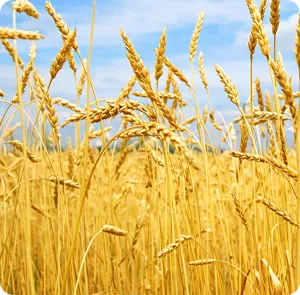
Wheat straw pulp is a sustainable fiber material produced from wheat straw, the dry stalk residue left after wheat harvesting. Instead of treating straw as agricultural waste, modern pulp technology allows manufacturers to recover valuable cellulose fibers and convert them into usable pulp for different paper applications.
For many years, the paper industry mainly depended on wood pulp because of its availability and established supply chains. However, increasing demand for sustainable materials has encouraged manufacturers to explore straw as an alternative fiber source. Wheat straw offers an opportunity to use agricultural byproducts while supporting circular material development.
The growing interest in wheat straw pulp comes from several market needs:
At Sheeon Pulp, we focus on helping international buyers discover practical non-wood pulp solutions. Our product portfolio includes wheat straw pulp, bagasse pulp, bamboo pulp, Bible paper, and stone paper. We work with paper manufacturers, packaging producers, distributors, and industrial buyers looking for stable and environmentally responsible material options.
The value of wheat straw pulp is not only environmental. It is also commercial. Manufacturers need reliable raw materials, consistent pulp quality, and flexible supply solutions. A well-developed wheat straw pulp supply chain can help companies create competitive paper products while meeting sustainability goals.
Understanding the structure of paja de trigo is important because it directly affects pulp performance. Wheat straw is a natural agricultural material mainly composed of cellulose, hemicellulose, lignin, and small amounts of minerals and extractives.
The main components include:
| Component | Function in Pulp Production |
|---|---|
| Cellulose | Provides useful paper-making fiber |
| Hemicellulose | Supports fiber bonding |
| Lignin | Gives plants strength but must be controlled during pulping |
| Minerals | Influence processing conditions |
The cellulose content provides the foundation for producing quality pulp fibers. During the pulping process, manufacturers separate cellulose-rich fiber from unwanted components, especially lignin.
The lignin content in wheat straw is different from many wood species, which influences the required chemical treatment and processing method. Managing lignin effectively helps improve pulp quality, brightness, and final paper performance.
The properties of wheat straw make it attractive as a material for pulp production:
China’s wheat straw resources are especially important because wheat production creates a large amount of agricultural residue every year. Proper utilization of raw wheat straw can turn a farming byproduct into valuable industrial material.
For paper producers, selecting the right raw material is the first step toward producing quality paper products. The structure of wheat straw determines fiber performance, pulp yield, processing efficiency, and final paper strength.

Both wheat straw pulp and wood pulp provide fiber for paper production, but they come from different sources and have different characteristics.
Wood pulp remains an important material for global paper industries because it offers strong fiber length and established production systems. However, wheat straw pulp provides an alternative pathway based on agricultural resources.
| Comparison | Pulpa de paja de trigo | Wood Pulp |
| Source | Agricultural residue | Trees |
| Fiber type | Agricultural fiber | Wood fiber |
| Sustainability focus | Waste utilization | Forest resource management |
| Raw material cycle | Annual crop cycle | Longer growth cycle |
| Aplicaciones | Packaging, paper, board | Wide paper applications |
The biggest advantage of wheat straw pulp is resource flexibility. It allows manufacturers to use existing agricultural materials rather than relying only on forest-based resources.
For some applications, wheat straw pulp can be used alone. For others, manufacturers may combine it with other fibers to achieve desired strength properties.
In modern pulp and paper industries, the goal is not always replacing one material completely. Instead, many manufacturers create balanced fiber strategies using different materials according to product requirements.
Sheeon Pulp helps customers evaluate different sustainable materials, including:
The right choice depends on the final paper product, production equipment, market requirements, and sustainability goals.
Not every paper product needs white pulp.
Some packaging and natural-color paper products can use unbleached or lightly treated pulp. Other applications require brighter fiber. In those cases, manufacturers may use a bleaching process after pulping.
The purpose of pulp bleaching is mainly to reduce remaining colored compounds, especially residual lignin, and increase brightness.
The process can turn darker chemical pulp into a cleaner and lighter bleached pulp suitable for printing, writing, and specialty paper applications.
Historically, some pulp mills used older sequences such as the traditional CEH bleaching process. Modern mills increasingly focus on bleaching systems that reduce environmental load while still achieving the required brightness and pulp quality.
The exact method depends on:
If the final product is a natural paper bag or eco-style packaging board, heavy bleach treatment may add cost without adding real value.
If the customer needs high-quality printing paper, however, bleached wheat straw pulp may be more suitable.
At Sheeon Pulp, we believe the material specification should follow the final application. Buyers should first define the end product, then choose the proper pulp grade.

The most important pulp properties are the properties that affect production performance and final paper quality.
A buyer should look beyond color.
Good pulp also needs suitable fiber structure, cleanliness, moisture, drainage behavior, and bonding performance.
Important properties of pulp include:
The strength properties of finished paper depend on both raw fiber characteristics and the paper-making process.
Wheat straw usually contains shorter fibers than many softwood pulps. For this reason, some paper producers combine wheat straw pulp with other pulp fibers.
This blending approach can help balance:
A wheat straw sample should therefore be tested under realistic production conditions.
Laboratory data is useful, but machine trials often reveal more.
For international buyers, consistent pulp quality from shipment to shipment may be more important than achieving the highest value for one single laboratory parameter.
Stable raw material helps the mill run with fewer adjustments.
A professional wheat straw pulp mill needs more than a pulping vessel. Stable production depends on raw material management, process control, fiber cleaning, chemical recovery, wastewater treatment, and quality inspection.
A typical straw pulp production line may include:
The production line must also handle the characteristics of agricultural fiber.
Wheat straw can contain dust, leaves, soil, silica, and other impurities. Good preparation helps improve pulping efficiency and reduces unnecessary process problems.
A well-managed straw pulp mill pays close attention to several factors:
In chemical pulping, black liquor contains dissolved lignin and other materials removed from the straw. Proper handling is important for both process efficiency and environmental management.
For buyers, mill capability matters because inconsistent processing can create inconsistent pulp.
That may lead to unstable drainage, poor paper formation, excessive waste, or frequent machine adjustments.
Sheeon Pulp works with international B2B customers who value long-term supply stability. Our goal is not simply to offer a pulp product. We aim to support a more reliable material sourcing process.
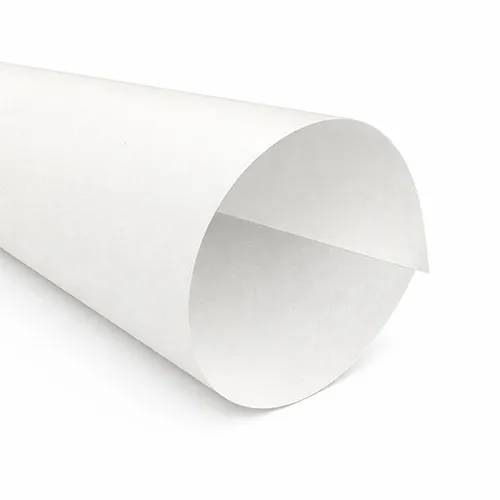
One of the strongest reasons for using wheat straw is that it already exists as a byproduct of agriculture.
After grain harvesting, the remaining straw stalk may be used for animal bedding, soil management, energy, or other agricultural purposes. Part of this material can also become a material for paper.
This makes wheat straw attractive in regions where agricultural residues are available near pulp and paper production centers.
Using straw as an alternative does not mean wood pulp will disappear. Wood fiber remains important for many grades, especially where long fiber strength is required.
Instead, agricultural pulp gives manufacturers another option.
A diversified fiber strategy can include:
This approach can help a mill balance performance, availability, sustainability, and cost.
It also supports the wider idea of agricultural waste valorization: turning a low-value byproduct into a useful industrial material.
Para Pulpa Sheeon, this is central to our business direction.
We focus on eco-friendly pulp and sustainable paper materials because international buyers increasingly want alternatives that can support both environmental goals and stable industrial production.
Wheat straw pulp is a non-wood pulp made from wheat straw left after wheat harvesting. Manufacturers use straw pulping methods to separate usable cellulose fiber from lignin and other plant materials. The resulting paper pulp can be used for paper, packaging, and paperboard production.
The basic process for wheat straw includes cleaning, cutting, chemical treatment, cooking, fiber separation, washing, screening, and optional bleaching. The exact chemical pulping process depends on the pulp grade and final application.
It can replace part or all of the wood pulp in some applications, but the result depends on product requirements. Wheat straw fiber is different from wood fiber, so paper mills often test blends before changing their furnish.
Black liquor is the liquid byproduct formed during chemical pulping. It contains dissolved lignin, chemicals, and other materials removed from the straw. Proper recovery or treatment is an important part of modern pulp production.
Yes. Wheat straw pulp can be used in selected cardboard, packaging paper, and paper and paperboard applications. The required fiber blend depends on strength, stiffness, printing, and converting requirements.
Not always. Natural packaging products may use unbleached pulp. White paper products may require pulping and bleaching to achieve the desired brightness.
Price depends on raw straw availability, pulp grade, bleaching, moisture, order quantity, packing, freight, energy cost, and destination. Buyers should compare total production value rather than only the price per ton.
Natural wheat straw can decompose through biological activity, but the time varies greatly with moisture, temperature, soil contact, particle size, and climate. Warm, moist conditions generally speed decomposition, while dry conditions slow it down.
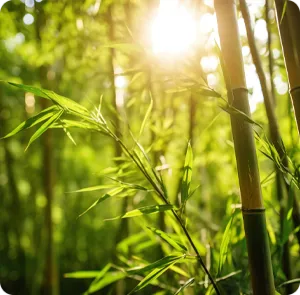
El papel de bambú es un papel fabricado total o parcialmente a partir de pulpa de bambú, por lo que comprarlo implica elegir un tipo de pulpa. Sheeon comercializa pulpa de bambú blanqueada con un brillo de aproximadamente 85% y fibras de más de 1,7 mm de longitud, y pulpa sin blanquear con un brillo de entre 40 y 43% y fibras de más de 2,2 mm de longitud.

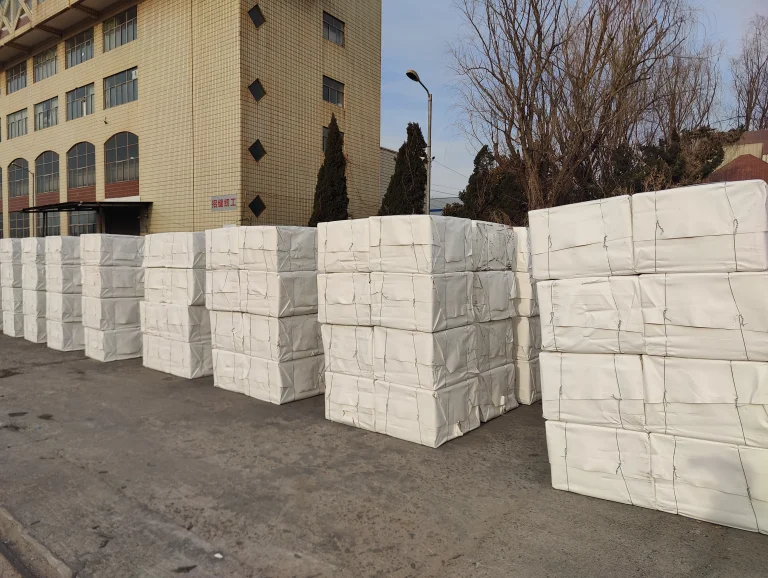
El papel de bambú es un papel fabricado total o parcialmente a partir de pulpa de bambú, por lo que comprarlo implica elegir un tipo de pulpa. Sheeon comercializa pulpa de bambú blanqueada con un brillo de aproximadamente 85% y fibras de más de 1,7 mm de longitud, y pulpa sin blanquear con un brillo de entre 40 y 43% y fibras de más de 2,2 mm de longitud.