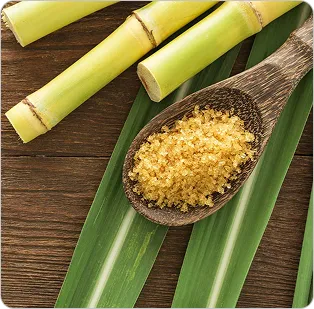
pulpe de bagasse
En savoir plus


 11:55
11:55 De nombreux acheteurs recherchent un papier plus écologique, mais ils ont tout de même besoin de résistance, de douceur, d'un approvisionnement stable et d'une réelle valeur ajoutée. Une pâte de mauvaise qualité peut ralentir les machines et affaiblir les produits. La pâte de bambou offre aux fabricants de papier et d'emballages une alternative pratique aux fibres de bois, qui présente un fort potentiel commercial.
Pâte de bambou Elle sert à la fabrication de papier de soie, de papier à base de pâte de bambou, de papier à lettres, de papier d'impression, de papier d'emballage, de papier kraft, de papier d'emballage alimentaire, de papier de culture et de certains produits papetiers spécialisés. Elle peut également être mélangée à de la pâte de bois ou à d'autres types de pâte non ligneuse afin d'améliorer les performances des fibres et le positionnement du produit.
Le pulpe de bambou Le marché est en pleine croissance car les acheteurs de papier souhaitent disposer d’un choix plus large de matériaux. De nombreuses marques recherchent désormais un papier qui s’inscrit dans une démarche plus respectueuse de l’environnement. Parallèlement, les papeteries ont toujours besoin d’une pâte à papier qui soit adaptée à la production sur des machines réelles, et pas seulement esthétique sur les supports marketing.
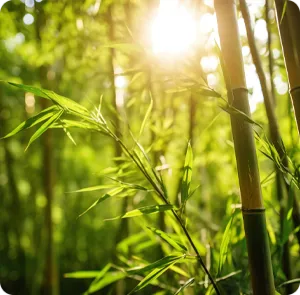
La pâte de bambou permet de répondre à ce besoin. Elle est issue du bambou, une ressource non ligneuse à croissance rapide. Pour les acheteurs, c'est un atout important, car la pâte de bambou peut servir à la fabrication de papier, de papier tissu, de papier d'emballage et de certaines qualités de papier spécialisées. Ce n'est pas la solution miracle pour tous les projets, mais c'est une option intéressante pour de nombreuses applications B2B.
Sheeon Pulp est un fournisseur B2B basé en Chine, spécialisé dans la pâte à papier écologique et les matériaux papetiers durables. Nous accompagnons les papeteries, les fabricants d’emballages, les transformateurs de papier tissu, les marques de matériaux écologiques, les importateurs, les distributeurs et les acheteurs de matières premières industrielles. Notre mission est simple : aider les acheteurs à choisir la pâte à papier la mieux adaptée à leur produit, à leur marché et à leur plan d’approvisionnement.
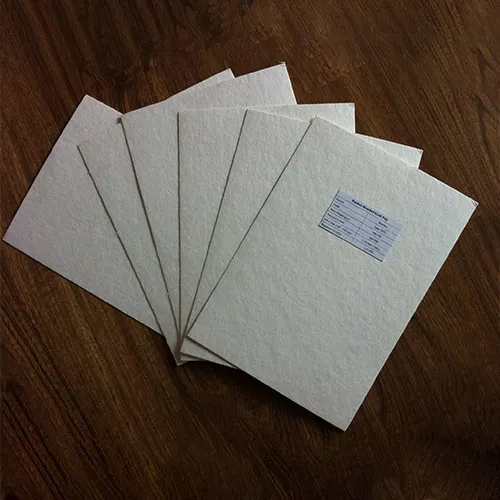
La pâte de bambou est un type de pâte à papier fabriquée à partir de bambou. Dans le cadre d'une utilisation industrielle classique, les copeaux de bambou sont transformés en fibres, puis en pâte à papier au cours d'un processus comprenant le nettoyage, la cuisson, le lavage, le tamisage, le blanchiment si nécessaire, la formation de la feuille, le séchage et le conditionnement.
La pâte de bambou est généralement fabriquée à partir de bambou sélectionné et peut être fournie sous forme de bambou blanchi, de pâte de bambou blanchie, de pâte de bambou non blanchie ou de qualités sur mesure. Le choix dépend du produit final. Le papier de soie blanc, le papier d'impression et le papier à lettres nécessitent souvent une couleur plus claire. Le papier de style naturel, le papier d'emballage et certaines qualités destinées à l'emballage peuvent utiliser du papier non blanchi ou du papier de bambou non blanchi.
Pour les acheteurs, pulpe de bambou Ce matériau est utile car il peut se comporter comme de la pâte de bois dans certains procédés de fabrication du papier, tout en offrant une composition clairement exempte de bois. Il peut être utilisé seul ou mélangé à de la pâte de bois, de la pâte de bagasse, de la pâte de paille ou d’autres fibres afin d’équilibrer résistance, douceur, coût et aspect.
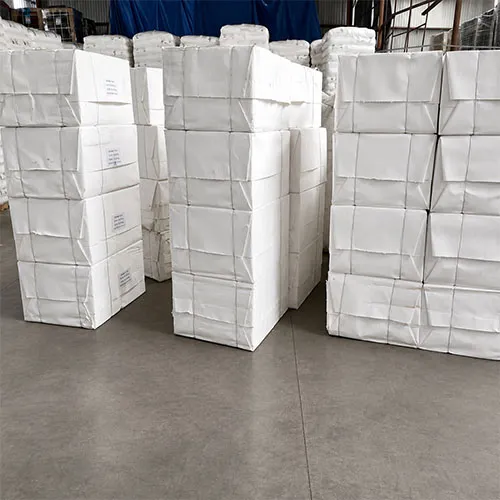
Les performances de la pâte de bambou dépendent de la morphologie et de la longueur des fibres de bambou. En termes simples, la forme des fibres influe sur la résistance, la souplesse, le drainage et le toucher de la surface du papier. Des fibres plus longues et mieux préparées peuvent contribuer à améliorer l’adhérence et la résistance de la feuille, tandis qu’une proportion trop importante de fines peut nuire au drainage et à la vitesse de la machine.
Une étude menée conjointement par le Service forestier américain et la TAPPI sur la pâte de bambou d’œuvre a révélé que les copeaux de bambou pouvaient être cuits et blanchis de la même manière que le bois dur de peuplier, et que la pâte ainsi obtenue présentait de bonnes propriétés de résistance à la traction même avec un faible degré de raffinage. L'étude a également souligné que la fibre de bambou présentait une longueur moyenne pondérée et une grossièreté supérieures à celles du peuplier étudié, ce qui pourrait permettre de l'utiliser dans de nombreuses qualités de papier. Source : Recherche du Service forestier américain
C’est pourquoi les acheteurs ne doivent pas se contenter de juger la pâte de bambou uniquement sur sa couleur ou son prix. Sa véritable valeur réside dans ses performances lors de la production. Un papier à base de pâte de bambou de qualité doit permettre d’atteindre les objectifs visés par l’acheteur, qu’il s’agisse d’une impression lisse, d’un papier hygiénique doux, d’un emballage résistant ou d’une transformation fiable.
Pâte de bambou Il peut être utilisé dans de nombreux produits en papier. Il permet de fabriquer du papier de bambou, du papier à base de pâte de bambou, du papier de base pour mouchoirs, du papier d'impression et d'écriture, du papier d'emballage, du papier dactylographique, du papier offset, du papier de culture, ainsi que certaines qualités de papier spécialisées.
Dans certains cas, le papier de bambou est résistant et convient à la fabrication de produits en papier destinés à un usage quotidien. Dans d’autres cas, la pâte de bambou et la pâte de bois sont mélangées afin d’ajuster le coût, la structure, la résistance ou la souplesse du produit. La pâte de bois peut être mélangée à la pâte de bambou lorsque l’acheteur souhaite trouver un équilibre entre la facilité de fabrication et la valeur du produit.
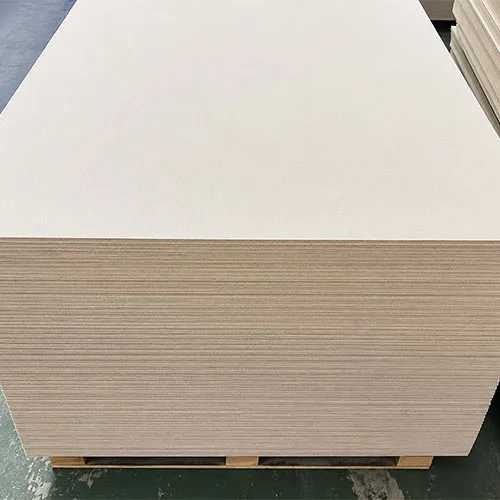
Oui. La pâte de bambou fait l'objet de nombreuses discussions dans le secteur du papier tissu et des produits en papier destinés à l'hygiène, car les acheteurs recherchent des matériaux doux, d'origine végétale et plus durables. La pâte de bambou peut aider les marques à se forger une image de produit plus « propre », en particulier lorsque la chaîne d'approvisionnement est transparente.
En ce qui concerne le papier de soie, les acheteurs accordent de l'importance à la douceur, à la résistance à l'état humide, à la résistance à l'état sec, au niveau de poussière, à la blancheur et aux performances de transformation. Le coût de la pâte de bambou est également un facteur déterminant, car les produits en papier de soie sont souvent sensibles au prix. Un produit au concept séduisant doit néanmoins pouvoir être fabriqué en série.
Sheeon Pulp accompagne les acheteurs qui souhaitent développer des papiers tissu et des produits d'hygiène à base de pâte de bambou. Nous pouvons discuter avec l'acheteur pour déterminer s'il a besoin d'un papier de bambou blanchi, d'un papier de couleur naturelle, d'un mélange de fibres ou d'une solution de pâte sur mesure. Pour les acheteurs internationaux, la stabilité de l'approvisionnement est tout aussi importante que la qualité du premier échantillon.
La pâte de bambou peut être utilisée pour la fabrication de papier d'emballage, de papier d'emballage cadeau, de sacs en papier, de papier de base pour emballages alimentaires, ainsi que pour certaines applications de papier moulé ou contrecollé. Les acheteurs ont souvent recours à la pâte de bambou lorsqu'ils recherchent des matériaux d'emballage qui mettent davantage en avant le caractère naturel des fibres.
En matière d'emballages alimentaires, le résultat final dépend de la qualité de la pâte à papier, des additifs, du revêtement, du procédé de transformation et de la réglementation en vigueur sur le marché cible. La pâte de bambou ne constitue en soi qu'un élément du système. Les exigences relatives au contact alimentaire doivent être vérifiées par le fabricant du produit final, conformément à la législation locale et aux besoins des clients.
Le règlement de l’UE relatif aux emballages et aux déchets d’emballages explique pourquoi les acheteurs accordent une attention accrue à la conception des emballages, à leur recyclabilité, au choix des matériaux et à la réduction des déchets. Ce règlement vise à rendre tous les emballages présents sur le marché de l’UE recyclables de manière économiquement viable d’ici 2030.
Pour les clients de Sheeon Pulp, cela représente un véritable enjeu commercial. Ils ne recherchent pas seulement de la pâte à papier. Ils souhaitent disposer d'un choix plus large de matériaux d'emballage, d'un approvisionnement stable en matières premières et d'un fournisseur qui comprenne les contraintes du marché international.
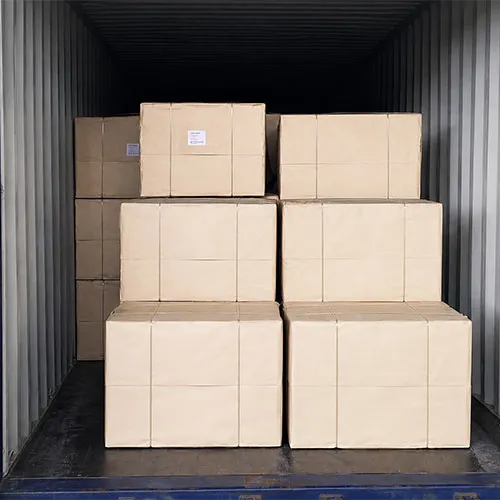
Pâte de bambou Elle est souvent comparée à la pâte de bois, car toutes deux peuvent être utilisées dans la fabrication du papier. Par rapport à la pâte de bois dur, la pâte de bambou peut présenter une structure fibreuse différente et constituer une alternative plus convaincante aux matériaux à base de bois. Elle peut être utilisée comme la pâte de bois dans certaines applications, mais le choix approprié dépend du type de papier et des conditions de la machine.
La pâte de bambou et la pâte de bois ne sont pas nécessairement en concurrence dans tous les cas. De nombreux acheteurs utilisent des mélanges. La pâte de bambou et la pâte de bois dur peuvent être associées lorsque l'usine de papier souhaite obtenir un meilleur équilibre en termes de résistance, de drainage, de formation ou de coût. La pâte de bambou peut également être combinée avec de la pâte de paille ou de roseau dans certains systèmes de fabrication de papier sans bois.
La pâte de bambou n'est pas toujours l'option la moins chère, ni la plus adaptée à tous les produits. Mais pour les acheteurs à la recherche d'une alternative aux matières premières traditionnelles utilisées dans la fabrication du papier, elle constitue un choix clairement avantageux.
Les acheteurs doivent opter pour la pâte de bambou blanchie lorsqu'ils ont besoin de papier blanc immaculé, d'une qualité visuelle élevée, de papier de soie, de papier d'impression, de papier à lettres ou de papier haut de gamme à base de pâte de bambou. Le papier de bambou blanchi est utilisé lorsque l'aspect et la blancheur sont des critères importants.
La pâte de bambou non blanchie convient mieux aux acheteurs qui recherchent un aspect naturel, un traitement moins intensif ou un papier d'emballage écologique. Le papier de bambou non blanchi est généralement utilisé pour les emballages naturels, le papier d'emballage, les sacs en papier et certains produits en papier non blanchis.
Le choix approprié dépend du produit final. Si le papier est destiné à l'impression, il est important qu'il présente une surface brillante et lisse. S'il est utilisé pour un emballage naturel, une couleur plus chaude peut convenir. Si le papier est fabriqué à partir de pâte de bambou pour un produit de marque, son aspect doit correspondre à l'histoire de la marque.
Avant de s'approvisionner en pâte de bambou, les acheteurs doivent ne pas se limiter au seul critère du prix. Un prix plus bas ne sera d'aucune utilité si la pâte entraîne des ruptures du papier, une mauvaise formation, une faible résistance ou une couleur instable. Un bon fournisseur doit aider les acheteurs à réduire les risques, et non leur créer de nouveaux problèmes.
Parmi les vérifications importantes, on peut citer :
Dans le cadre de notre collaboration avec des acheteurs internationaux, nous constatons souvent que le besoin de pulpe de bambou est lié au lancement d'un nouveau produit. Une marque de mouchoirs en papier pourrait avoir besoin d'un argumentaire plus clair. Un acheteur spécialisé dans les emballages pourrait rechercher une gamme de papiers écologiques. Un distributeur pourrait souhaiter disposer d'une source d'approvisionnement stable en provenance de Chine. Chaque cas nécessite un plan d'approvisionnement différent.
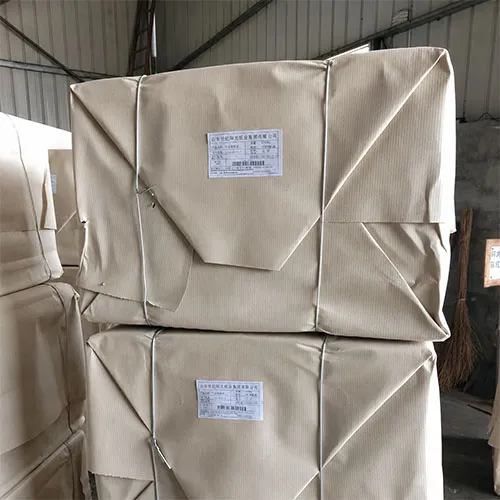
Sheeon Pulp est un fournisseur B2B basé en Chine, spécialisé dans la pâte à papier écologique et les matériaux papetiers durables. Notre gamme de produits comprend de la pâte de bambou, de la pâte de bagasse, de la pâte de paille de blé, du papier pour bibles, du papier de pierre et d'autres solutions de matériaux papetiers non dérivés du bois.
Nous accompagnons des acheteurs internationaux soucieux du développement durable, d'un approvisionnement fiable, de la personnalisation et d'une collaboration à long terme. Parmi ces acheteurs figurent des fabricants de produits en papier, des producteurs d'emballages alimentaires, des usines de vaisselle jetable, des acheteurs du secteur de l'imprimerie et de l'édition, des marques de matériaux écologiques, des importateurs de pâte à papier, des distributeurs et des acheteurs de matières premières industrielles.
Ce qui rend Sheeon Pulp utile pour les acheteurs, ce n'est pas seulement la liste des matériaux. C'est la manière dont nous les accompagnons dans leurs décisions d'approvisionnement. Nous aidons les acheteurs à comparer les différents types de pâte à papier, à choisir la pâte la mieux adaptée à l'utilisation finale, à planifier leurs approvisionnements en vrac et à discuter des possibilités de personnalisation OEM/ODM lorsque cela s'avère nécessaire.
Pourquoi les acheteurs font appel à nos services :
Un acheteur nous a dit un jour : “ Nous n'achetons pas seulement de la pâte à papier. Nous achetons la garantie d'un approvisionnement fiable. ” C'est exactement ainsi que nous concevons notre travail.
Si vous prévoyez d'utiliser pulpe de bambou, la première étape consiste à nous envoyer votre candidature. Un cahier des charges clair nous permet de vous répondre plus rapidement et avec plus de précision.
Veuillez préparer :
Grâce à ces informations, Sheeon Pulp pourra discuter avec vous de la stratégie à adopter en matière de pâte à papier et des détails du devis. Notre objectif est de vous aider à réduire les incertitudes liées à l'approvisionnement et à mettre en place une chaîne d'approvisionnement stable.
La pâte de bambou est utilisée pour la fabrication de papier de soie, de papier de bambou, de papier à base de pâte de bambou, de papier à lettres, de papier d'impression, de papier d'emballage, de papier kraft, de papier d'emballage alimentaire, de papier de culture et de certains produits papetiers spécialisés.
La pâte de bambou n'est pas toujours meilleure que la pâte de bois. Elle est simplement différente. La pâte de bambou offre une alternative au bois et présente des propriétés fibreuses intéressantes, tandis que la pâte de bois bénéficie d'un approvisionnement bien établi et d'un large éventail d'applications. De nombreux acheteurs mélangent la pâte de bambou et la pâte de bois pour obtenir un meilleur équilibre.
Oui, la pâte de bambou peut être utilisée dans certains systèmes d'emballage alimentaire en papier, mais le produit final doit respecter les réglementations relatives au contact alimentaire en vigueur sur le marché cible. Les revêtements, les additifs et les procédés de transformation jouent également un rôle important.
La pâte de bambou blanchie est plus propre et plus blanche ; elle est donc souvent utilisée pour la fabrication de mouchoirs en papier, de papier d'impression et de papier à lettres. La pâte de bambou non blanchie présente un aspect plus naturel et peut être utilisée pour le papier d'emballage, le papier d'emballage ou les produits en papier de style naturel.
Oui. Sheeon Pulp peut étudier les possibilités d'approvisionnement en pâte à papier sur mesure en fonction de l'application, de la couleur, de la qualité, du conditionnement, du volume de commande et des exigences de l'acheteur. Une prise en charge OEM/ODM peut être envisagée en fonction du projet.
Veuillez nous indiquer le type de produit final, le marché cible, la couleur souhaitée, la quantité estimée, les exigences techniques, ainsi que tout échantillon ou cahier des charges. Cela permettra à Sheeon Pulp de vous recommander plus rapidement la pâte de bambou la mieux adaptée.
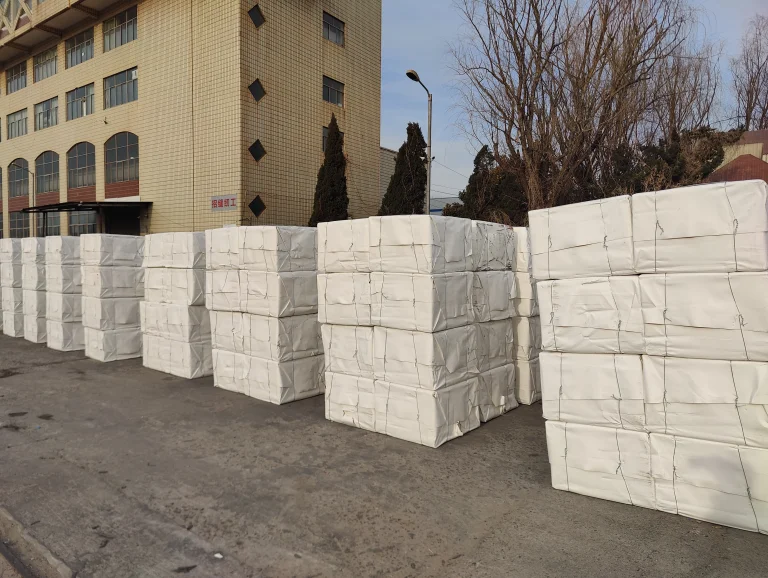
Le papier de bambou est un papier fabriqué entièrement ou partiellement à partir de pâte de bambou ; son achat implique donc de choisir une qualité de pâte. Sheeon propose une pâte de bambou blanchie d'une blancheur d'environ 85% avec des fibres de plus de 1,7 mm, et une pâte non blanchie d'une blancheur comprise entre 40 et 43% avec des fibres de plus de 2,2 mm.
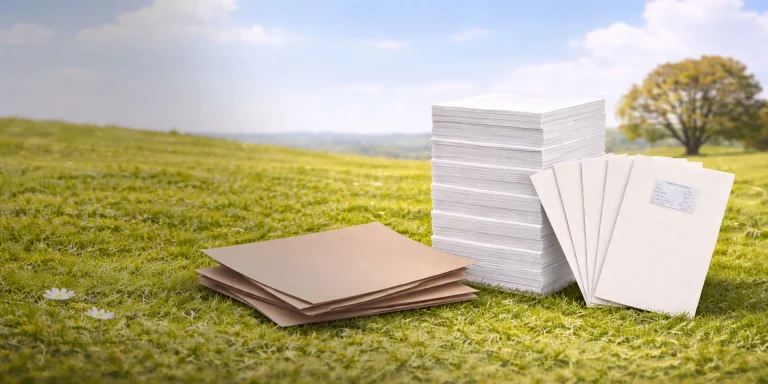
Le papier de bambou est un papier fabriqué entièrement ou partiellement à partir de pâte de bambou ; son achat implique donc de choisir une qualité de pâte. Sheeon propose une pâte de bambou blanchie d'une blancheur d'environ 85% avec des fibres de plus de 1,7 mm, et une pâte non blanchie d'une blancheur comprise entre 40 et 43% avec des fibres de plus de 2,2 mm.