pulpe de bagasse
En savoir plus


 11:54
11:54 Many brands want greener packaging, but traditional paper can tear, absorb water, and depend on wood fiber. This creates cost, waste, and supply worries. Stone paper gives buyers a stronger option for selected packaging, printing, notebooks, labels, and premium paper products.
Stone paper is used for waterproof packaging, shopping bags, labels, hang tags, notebooks, maps, menus, cards, posters, book covers, and premium printed materials. It is often chosen when buyers need an eco-friendly-looking, smooth, tear-resistant, and waterproof alternative to traditional paper for packaging and printing applications.
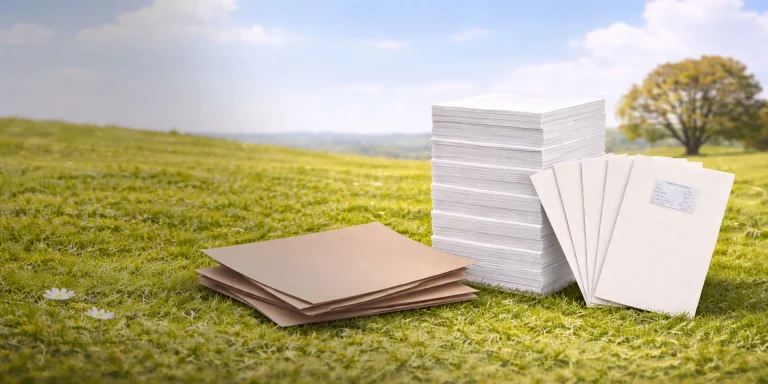
Papier pierre is a paper-like material made mainly from calcium carbonate powder and a small amount of HDPE resin. In simple words, it is paper made from stone, not from trees. Many buyers also call it mineral paper or synthetic paper because it does not use plant fiber like wood pulp paper.
The reason many brands call it eco-friendly is that stone paper does not require wood pulp, large amounts of water, or the same pulping process used in traditional paper production. According to a material overview published in the Journal of the American Society of Questioned Document Examiners, stone paper is mainly made from calcium carbonate and plastic binder, which makes it different from normal pulp-based paper.
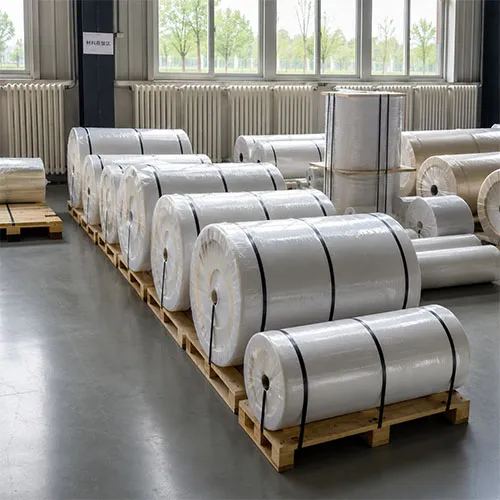
Stone paper has a smooth surface, so it can create clear printed images and a pleasant touch. The smooth surface of stone paper makes it useful for maps, cards, posters, catalogs, brochures, manuals, book covers, calendars, waterproof notebooks, and outdoor printed products.
For printing buyers, papier pierre offers a different experience from standard paper. It feels soft and cool. Colors can look clean and bright. It is also useful for printed products that need to stay readable in wet or outdoor environments. WIRED has discussed stone paper’s smooth, durable, oil-resistant, and waterproof features while also noting that environmental claims should be reviewed carefully. Source: WIRED stone paper review.
Still, printing teams should not skip testing. Writing on stone paper feels smooth, but ink drying time may differ from regular paper. Before bulk orders, buyers should test ink, color result, folding, cutting, binding, and packaging performance.
A notebook made with stone paper feels smooth, clean, and modern. A stone paper notebook can be attractive for hotels, schools, office brands, gift companies, eco-friendly product brands, and promotional campaigns. Writing on stone paper often feels soft because the surface is not fibrous like traditional paper.
Brands also use stone paper for labels and tags because stone paper’s durability helps products look better after shipping and retail handling. A hang tag that tears easily can hurt the product image. A waterproof and tear-resistant tag feels more premium and can support a higher selling price.
This is why stone paper products often appear in stationery, gift packaging, lifestyle products, cosmetic packaging, outdoor products, and retail branding. Buyers may not use stone paper for every product, but they can use stone paper for product lines where texture, strength, and visual value matter most.
Papier pierre production usually starts with fine mineral powder, mainly calcium carbonate. The powder is mixed with resin, then processed into sheets or rolls through forming, pressing, stretching, and surface treatment. This is the basic process of stone paper.
A simple view of the production process of stone paper looks like this:
Mineral Powder → Resin Mixing → Pelletizing → Sheet Forming → Surface Treatment → Cutting / Rolling → Packing
The manufacturing process of stone paper is different from traditional paper manufacturing. It does not need wood fiber pulping. It also does not follow the same water-heavy paper manufacturing route used in many conventional paper mills.
For investors or industrial buyers studying stone paper production line setup, the key points include raw material supply, sheet thickness control, surface treatment, printing compatibility, recycling route, and local environmental rules. A stone paper line setup should not be planned only based on market buzz. It should be based on real customer demand, stable applications, and product testing.
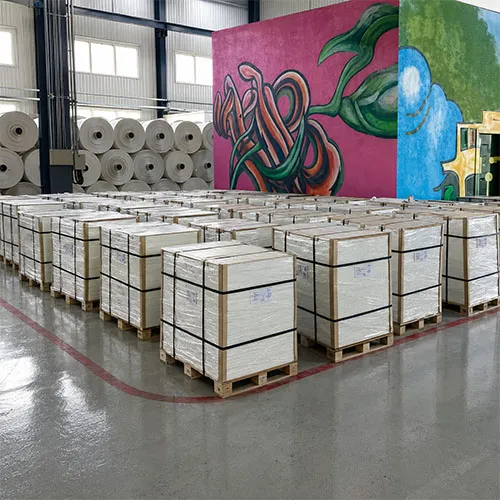
No. Stone paper is not always better than traditional pulp paper. It is better for some uses and less suitable for others. This is the most honest way to explain stone paper vs traditional paper to serious buyers.
Traditional paper products still have strong advantages. They are familiar, widely used, accepted in many standard paper recycling facilities, and suitable for cartons, books, office paper, tissue, and many daily uses. Traditional wood pulp paper also has mature certification systems, such as FSC, PEFC, and recycled-content programs.
Papier pierre is different. It is often described as recyclable, but because it contains resin, it may need separate handling from normal paper recycling. Some sources also describe stone paper as photodegradable under certain light conditions, but buyers should not simply call it biodegradable unless they have test reports for the target market.
Stone paper is useful for buyers who need better durability, smoother touch, and stronger moisture resistance. It is especially suitable for B2B buyers who want to build a premium or eco-friendly product line.
Stone Paper Is Suitable For
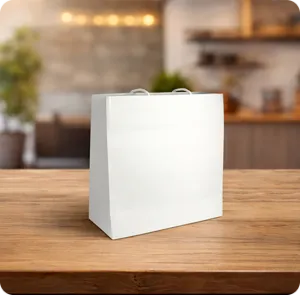
For example, a packaging manufacturer may use stone paper for premium gift bags. A stationery brand may use it for notebooks. A food service buyer may use it for waterproof menus. A distributor may test stone paper as a new product category for local customers.
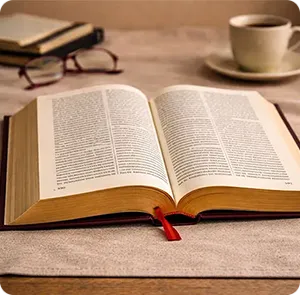
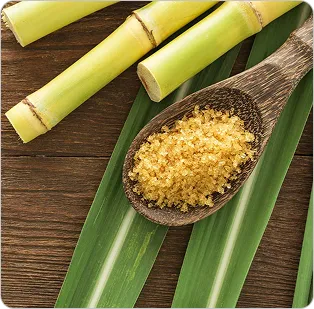
At Sheeon Pulp, we often suggest that buyers compare different material options before deciding. Stone paper may be the right answer for waterproof printing. Bagasse pulp may be better for molded food packaging. Bamboo pulp may be better for tissue or daily paper products. Bible paper may be better for thin printing applications.
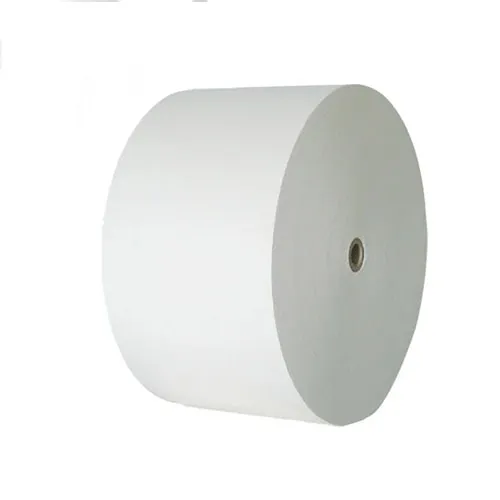
To choose high-quality stone paper, start with the end use. A notebook needs a smooth writing feel. A shopping bag needs strength. A label needs adhesive testing. A food wrapper needs safety documents. The right stone paper grade depends on your product, not only on thickness.
Before placing a bulk order, buyers should check:
Papier pierre typically costs more than low-grade standard paper, but it can add value when the product needs a premium look or special durability. For B2B buyers, the right question is not only “What is the lowest price?” The better question is “Which material gives my product the best value?”
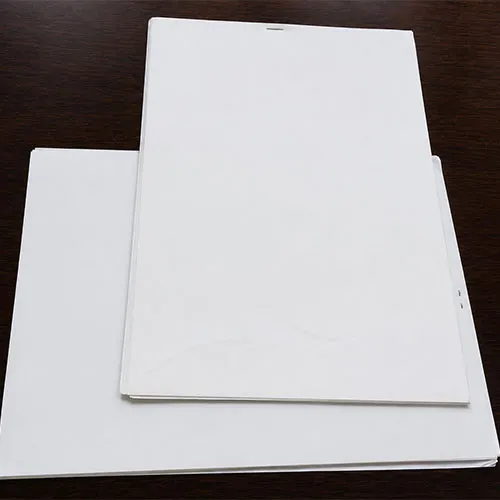
Stone paper is used for packaging bags, labels, tags, notebooks, cards, maps, posters, menus, book covers, and other printed products that need a smooth, waterproof, and tear-resistant surface.
Stone paper can be eco-friendly in selected ways because it does not use wood pulp and can reduce water use during production. However, it contains resin, so buyers should check recycling, disposal, and certification details before making strong environmental claims.
Yes. Stone paper is waterproof because its mineral and resin structure does not absorb water like traditional paper. This makes it useful for menus, maps, labels, packaging, and outdoor printed items.
Stone paper can replace traditional paper in some packaging and printing uses, but not all. It works best when durability, water resistance, and premium texture matter. Traditional paper is still better for many common paper products.
Papier pierre can be used for many packaging needs, but buyers should request safety documents, food-contact reports, and compliance certificates when the material will touch food, cosmetics, or sensitive products.
Start by confirming size, thickness, printing method, end use, packing style, and order quantity. Then request samples for testing. Pâte à papier Sheeon can support B2B buyers with customization, bulk supply, and export service for stone paper and other sustainable paper materials.
Le papier de bambou est un papier fabriqué entièrement ou partiellement à partir de pâte de bambou ; son achat implique donc de choisir une qualité de pâte. Sheeon propose une pâte de bambou blanchie d'une blancheur d'environ 85% avec des fibres de plus de 1,7 mm, et une pâte non blanchie d'une blancheur comprise entre 40 et 43% avec des fibres de plus de 2,2 mm.
Le papier de bambou est un papier fabriqué entièrement ou partiellement à partir de pâte de bambou ; son achat implique donc de choisir une qualité de pâte. Sheeon propose une pâte de bambou blanchie d'une blancheur d'environ 85% avec des fibres de plus de 1,7 mm, et une pâte non blanchie d'une blancheur comprise entre 40 et 43% avec des fibres de plus de 2,2 mm.