pulpe de bagasse
En savoir plus


 11:05
11:05 Tissue makers need softer, cleaner, and more sustainable fiber. But wood pulp prices, supply pressure, and green buying rules make sourcing harder. Bagasse pulp gives paper mills a practical way to make tissue paper from sugarcane bagasse instead of relying only on wood pulp.
Yes, pulpe de bagasse can be used for tissue paper production. Sugarcane bagasse pulp is a non-wood paper pulp made from the fiber left after sugarcane juice extraction. With proper depithing, pulping, washing, bleaching, refining, and paper machine adjustment, bagasse pulp can support tissue, napkin, towel, and other soft paper products.
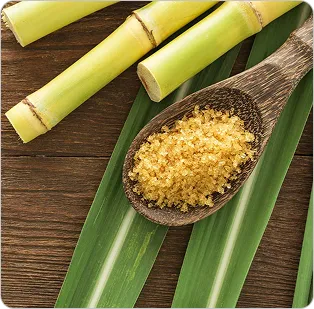
Bagasse is the fibrous residue left after a sugar mill extracts juice from sugarcane. FAO describes bagasse as the fiber left after sugarcane juice extraction and notes that it forms about one third of crushed sugarcane on average. This makes sugarcane bagasse an important non-wood raw material for pulp and paper production.
Bagasse pulp is paper pulp made from this sugarcane bagasse fiber. In the pulp and paper industry, it belongs to the family of non-wood pulp, together with bamboo pulp, wheat straw pulp, reed pulp, and other plant-based fibers. Non-wood fibers are not new. TAPPI notes that non-wood fibers have been used in papermaking since the early history of paper, and today they still support many specialty paper and paper products.
For tissue paper production, bagasse pulp gives a paper mill one more fiber choice. It is not just “waste turned into paper.” It is a useful raw material that can help make paper, reduce dependence on virgin wood pulp, and support sustainable paper production from sugarcane bagasse.
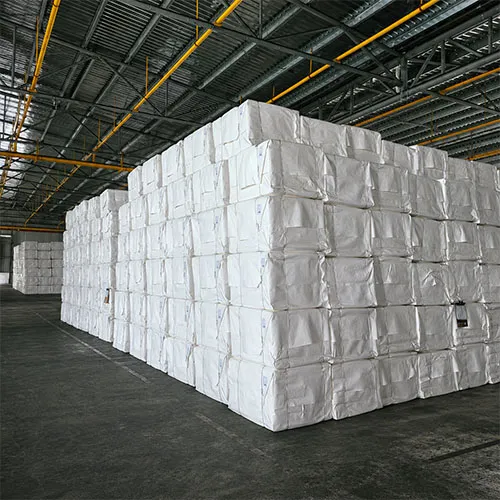
Yes. Sugarcane pulpe de bagasse can be used to make tissue paper when the pulp quality and paper machine conditions are properly controlled. FAO notes that the technology for producing paper and newsprint out of bagasse is already in place, which shows that bagasse has a real role in paper and pulp manufacturing rather than being only a laboratory idea.
For tissue, the key point is not simply whether bagasse can be used. The better question is: what percentage of bagasse pulp should be used in the furnish? Some paper mills may test bagasse pulp as part of a blend with wood pulp, hardwood pulp, softwood pulp, recycled pulp, or bamboo pulp. Others may develop tissue grades with a higher bagasse content.
In real tissue paper production, the best formula depends on the target product. Toilet tissue needs softness and quick disintegration. Facial tissue needs softness and clean appearance. Kitchen towel needs absorbency and strength. Napkin paper needs good formation and printing performance. Bagasse pulp can support these goals, but the production line must be adjusted with care.
Bagasse fiber is useful because it is plant-based, relatively short, and suitable for many paper grades. Tissue paper often needs a balance of softness, absorbency, and strength. A review in BioResources explains that tissue paper properties depend on fiber type, chemical additives, and machine technology. It also notes that chemical pulps can give flexible fibers, better bonding ability, and softness.
This matters because bagasse pulp is usually made through a chemical pulping process. After proper cooking, washing, pulp screening, and pulp bleaching, the bagasse fiber can become cleaner and more suitable for tissue paper making. The quality of bagasse affects the final tissue hand feel, sheet formation, strength, and absorbency.
The properties of bagasse are especially useful when the paper mill wants a sustainable fiber story. Bagasse is a byproduct of sugarcane processing. Instead of burning it or leaving it as low-value waste, the mill can turn pulp from bagasse into tissue paper, napkins, towel paper, bagasse paper, and other paper products.
Before bagasse pulp reaches the tissue paper machine, the paper mill needs to prepare the pulp furnish. This may include dilution, cleaning, refining, blending, and chemical adjustment. A tissue paper making machine is sensitive. Small changes in pulp quality can affect paper machine speeds, drainage, drying, softness, and sheet breaks.
Pulpe de bagasse processing should focus on four areas:
This is where technical experience becomes valuable. If the bagasse pulp is too dirty, the tissue may show spots. If the pulp is over-refined, the sheet may lose bulk and absorbency. If drainage is slow, the tissue machine may need lower speed. In tissue paper production, every second matters.
A good pulp supplier should understand these production line issues. At Sheeon Pulp, we position bagasse pulp as a sustainable paper pulp raw material for paper manufacturers, food packaging producers, disposable tableware factories, and industrial raw material buyers who need stable quality and export support.
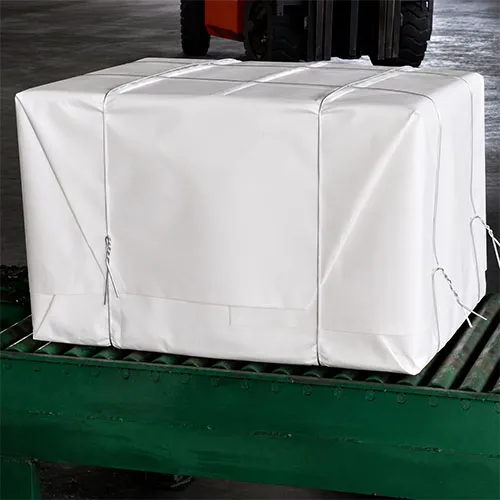
Bagasse pulp can be used in several tissue paper and hygiene paper products. The exact use depends on pulp quality, blending ratio, paper machine design, and the end product standard. In many cases, bagasse pulp works best when tested and adjusted before full-scale pulp and paper production.
Possible tissue paper products include:
For tissue paper, buyers care about softness, strength, absorbency, brightness, and clean appearance. A tissue paper machine can produce different grades based on furnish design, refining, creping, drying, and converting. The same pulpe de bagasse may perform differently in toilet paper, napkins, and towel paper.
This is why we suggest sample testing before large-scale pulp purchasing. A paper mill should test bleached pulp, unbleached pulp, refining response, drainage, tensile strength, wet strength, softness, and final tissue quality. Simple tests can prevent costly mistakes later.
Pâte à papier Sheeon is a China-based B2B supplier specializing in eco-friendly pulp and sustainable paper materials. We focus on non-wood pulp and specialty paper products such as bagasse pulp, bamboo pulp, wheat straw pulp, Bible paper, and stone paper. Our customers include paper product manufacturers, food packaging producers, disposable tableware factories, printing and publishing buyers, pulp importers, distributors, and industrial raw material purchasers.
For tissue paper buyers, we do more than ship paper pulp. We help customers think through the use of bagasse, product application, pulp selection, sample testing, OEM/ODM customization, bulk supply, and export service. If your paper mill wants to test sugarcane bagasse pulp, we can support you with practical communication and stable supply planning.
Our bagasse pulp is suitable for paper production, paper and pulp applications, molded fiber, food packaging, and sustainable paper products. For tissue applications, we recommend testing the pulp based on your tissue paper making machine, target GSM, softness requirement, strength target, and final product type.
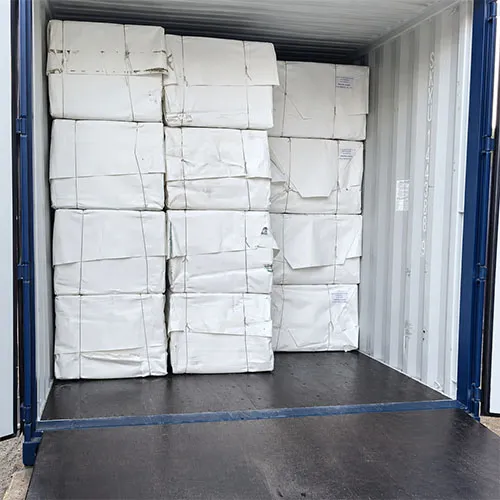
The best way to start is simple: define your tissue product first. Do you want toilet tissue, facial tissue, hand towel, napkin, or base paper? Then define your target properties. Softness? Strength? Absorbency? Brightness? Lower wood pulp usage? Better sustainability story?
A smart trial plan may look like this:
This process is practical. It also reduces risk. Tissue paper production is fast, and mistakes can be expensive. A small trial can protect a large order.
For B2B buyers in Europe and other international markets, this trial method also helps with certification compliance, sustainability reporting, and internal purchasing approval. Your team gets data. Your buyer gets confidence. Your brand gets a better fiber story.
Yes. Bagasse pulp can be used for tissue paper production when it is properly processed, cleaned, bleached, refined, and tested on the paper machine. It can support toilet tissue, facial tissue, napkins, towels, and other soft paper products.
Non. Pulpe de bagasse comes from sugarcane bagasse, while wood pulp comes from trees. Bagasse is a non-wood pulp. It may behave more like a short or medium fiber, while softwood pulp usually provides stronger long-fiber reinforcement.
Some applications may allow high bagasse content, but many mills prefer blending bagasse pulp with hardwood pulp, softwood pulp, bamboo pulp, or other pulp types. The best ratio depends on softness, strength, drainage, paper machine speed, and final tissue quality.
The main challenge is controlling pith, dirt, fines, drainage, and pulp consistency. Good depithing, pulp washing, pulp screening, and bleaching process control are important for stable bagasse pulp production.
Bleached bagasse pulp is usually better for white tissue paper because it improves brightness and appearance. Unbleached bagasse pulp may be suitable for natural-color paper products, molded fiber, packaging, or eco-style paper applications.
You should share your target paper product, paper machine type, GSM, current pulp furnish, brightness requirement, strength target, packaging needs, order quantity, and destination port. This helps the supplier recommend the right pulp grade.
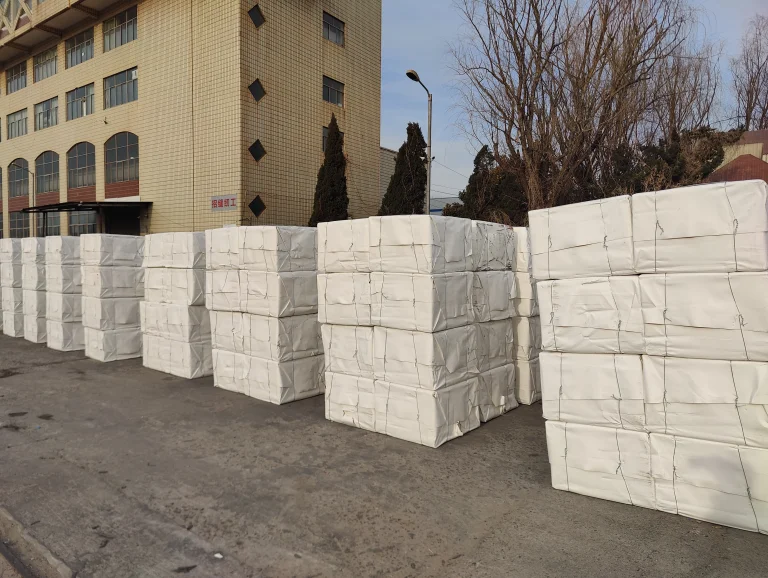
Le papier de bambou est un papier fabriqué entièrement ou partiellement à partir de pâte de bambou ; son achat implique donc de choisir une qualité de pâte. Sheeon propose une pâte de bambou blanchie d'une blancheur d'environ 85% avec des fibres de plus de 1,7 mm, et une pâte non blanchie d'une blancheur comprise entre 40 et 43% avec des fibres de plus de 2,2 mm.

Le papier de bambou est un papier fabriqué entièrement ou partiellement à partir de pâte de bambou ; son achat implique donc de choisir une qualité de pâte. Sheeon propose une pâte de bambou blanchie d'une blancheur d'environ 85% avec des fibres de plus de 1,7 mm, et une pâte non blanchie d'une blancheur comprise entre 40 et 43% avec des fibres de plus de 2,2 mm.