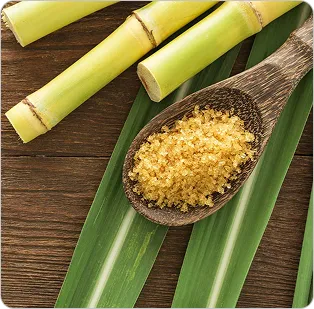
pulpe de bagasse
En savoir plus


 14:09
14:09 Sheeon Pulp Technical Team | Published 2026-09
Pulpe de bambou blanchie runs approximately 85% brightness with viscosity in the 600–800 ml/g range, and those two numbers alone don’t tell you whether a lot will run cleanly on a tissue or printing line. This spec sheet breaks down every published parameter and what it actually predicts for each application.
| Paramètres | Published Value | Test Method |
| Luminosité | ~85% | GB/T 7982 |
| Teneur en impuretés, 0,3–1,0 mm² | < 25 mm²/500 g | GB/T 1548 |
| Teneur en impuretés, 1,0–4,0 mm² | < 20 mm²/500 g | GB/T 1548 |
| Teneur en impuretés, > 4,0 mm² | Aucun | GB/T 1548 |
| Indice de résistance à la traction | >55 N·m/g | GB/T 8940.2 |
| Indice de déchirement | >8,5 mN·m²/g | GB/T 10740 |
| Indice de rafale | >5,0 kPa·m²/g | GB/T 10336-2002 |
| Viscosité | 600 à 800 ml/g | Not separately specified on product page |
| Longueur des fibres | >1,7 mm | Not separately specified on product page |
These are the parameters published on Sheeon’s product page. Test method mapping above follows how each method is generally used against the associated parameter — buyers specifying against this table should request the actual test report tied to the delivered lot, since a published range describes the product line, not any individual shipment.
Brightness: the number buyers over-index on
At ~85%, pulpe de bambou blanchie sits below premium bleached wood pulp grades that often clear 88–90%, but well above pulpe de bambou non blanchie‘s 40–43%. For tissue converters, brightness is mostly a visual and brand-perception spec — it doesn’t predict softness or absorbency on its own. For printing paper, brightness affects contrast and how ink colors read on the finished sheet, which matters more for coated or premium uncoated grades than for basic commercial printing stock.
Dirt count: the spec that actually causes line stoppages
Dirt count is broken into two size bands — fine specks (0.3–1.0 mm²) and larger particles (1.0–4.0 mm²) — with zero tolerance above 4.0 mm². This is the parameter most likely to cause real production problems if a lot runs outside spec: visible specks in tissue show up immediately to end consumers, and larger dirt particles can catch on calender rolls or cause web breaks on high-speed printing presses. A brightness reading can look fine while dirt count quietly runs high — they’re independent measurements, and buyers who only check brightness on incoming lots are missing the parameter more likely to cause a stoppage.
Viscosity: the proxy for pulp degradation
The 600–800 ml/g range reflects how much the cellulose chain length has been preserved through pulping and bleaching — lower viscosity generally means more chain degradation, which translates to lower strength potential even if tensile and burst numbers on that specific lot still test within range. Viscosity matters most to mills running their own refining process, since a pulp already low in the range gives less room to refine before strength drops off. This spec isn’t cosmetic; it’s closer to a leading indicator than tensile or burst index, which are downstream results.
Tensile, tear and burst index: the runnability specs
Tensile index (>55 N·m/g), tear index (>8.5 mN·m²/g) and burst index (>5.0 kPa·m²/g) together describe how the sheet holds together under mechanical stress — pulling, tearing and localized pressure respectively. For printing paper running on high-speed presses, tensile index is the one most directly tied to web breaks. For tissue, these numbers matter less in absolute terms and more in how they trade off against softness, since higher-strength furnish often runs firmer than converters want for a premium tissue feel.
| Priority | Tissue Manufacturers | Printing Paper Manufacturers |
| 1st | Dirt count (visible in thin sheet) | Tensile index (press runnability) |
| 2nd | Brightness (perceived quality) | Brightness (print contrast) |
| 3rd | Viscosity (softness/strength balance) | Burst and tear index |
Tissue lines generally want the fine dirt-count band as clean as possible and can tolerate strength indices at the lower end of the published range, since excess strength works against softness. Printing lines lean the opposite way — tensile index close to or above the published minimum matters more than shaving another point off dirt count, particularly on uncoated commercial print stock where dirt tolerance is naturally a bit more forgiving than tissue.
Not necessarily. Viscosity indicates less fiber degradation, which is generally desirable, but a mill running its own bleaching or refining downstream may specifically want pulp mid-range in viscosity rather than at the top, since very high viscosity can mean more energy required in refining to hit target freeness. Buyers should specify viscosity against their own process requirements rather than assuming the top of the published range is automatically the better lot.
Bleached bamboo pulp is one of the few grades in Sheeon’s catalog where FSC appears as a listed claim, alongside CE and SGS, with FDA-related food-contact language also referenced on the product page. None of these come with a published certificate number. For FSC specifically, checking the certificate holder name, code and scope in the Forest Stewardship Council’s public certificate database before finalizing a spec sheet that references FSC status is the only way to confirm the claim independently — a website statement isn’t equivalent to a checked certificate.
Pulpe de bambou blanchie‘s tear and burst index hold up well relative to its brightness class, and the fiber source gives buyers a genuine alternative-fiber story distinct from wood pulp. Set against that: viscosity and fiber length aren’t tied to a specific test method on the published product page, which means buyers who need those figures for process-control documentation should request them directly rather than assuming a standard method applies. Brightness at ~85% also sits below top-tier bleached wood pulp, so buyers specifying for premium white tissue or coated printing stock should confirm the target brightness threshold before ordering against this grade.
A: >55 N·m/g, tested to GB/T 8940.2.
A: Sheeon publishes 600–800 ml/g as the range for the product line, not a per-lot guarantee. Request the test report for the specific lot being shipped if viscosity is a hard requirement.
A: Bleached grade runs tighter — <25 mm²/500 g in the fine band versus <35 mm²/500 g for unbleached — reflecting the additional cleaning that happens during bleaching.
A: Pricing depends on grade, specification, order volume, packaging and delivery terms, and is quoted per inquiry rather than published as a fixed rate.
Buyers finalizing a spec sheet against this grade will get more predictive value from checking dirt count and viscosity on an incoming lot than from brightness alone — brightness is the number that’s easiest to verify visually, which is exactly why it’s also the easiest one for a supplier to overstate.
Le papier de bambou est un papier fabriqué entièrement ou partiellement à partir de pâte de bambou ; son achat implique donc de choisir une qualité de pâte. Sheeon propose une pâte de bambou blanchie d'une blancheur d'environ 85% avec des fibres de plus de 1,7 mm, et une pâte non blanchie d'une blancheur comprise entre 40 et 43% avec des fibres de plus de 2,2 mm.

Le papier de bambou est un papier fabriqué entièrement ou partiellement à partir de pâte de bambou ; son achat implique donc de choisir une qualité de pâte. Sheeon propose une pâte de bambou blanchie d'une blancheur d'environ 85% avec des fibres de plus de 1,7 mm, et une pâte non blanchie d'une blancheur comprise entre 40 et 43% avec des fibres de plus de 2,2 mm.