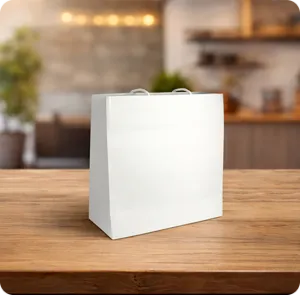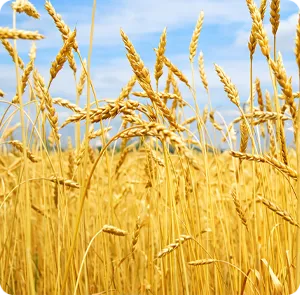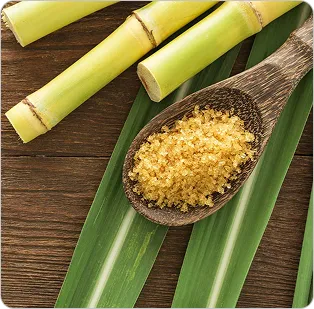
polpa di bagassa
Per saperne di più


 10:37
10:37 Il confezionamento alimentare non serve più solo a contenere il cibo. Gli acquirenti devono ora fare i conti con i divieti sulla plastica, le aspettative dei consumatori e le normative sui rifiuti. La plastica monouso può sembrare economica, ma può comportare costi a lungo termine. La bagassa offre una soluzione più pulita, resistente e sostenibile.
Polpa di bagassa può rappresentare un'alternativa migliore agli imballaggi in plastica per molti utilizzi nel settore della ristorazione, poiché deriva dalla fibra di canna da zucchero, si presta bene alla realizzazione di contenitori in fibra stampata e, se adeguatamente certificata e smaltita, può essere utilizzata per imballaggi alimentari compostabili. Per chi acquista piatti, vassoi, ciotole e contenitori da asporto, la bagassa unisce l'origine rinnovabile alle prestazioni pratiche degli imballaggi alimentari.
La bagassa è il residuo fibroso che rimane dopo l’estrazione del succo dai fusti di canna da zucchero. In parole povere, la bagassa è il materiale fibroso che rimane dopo la lavorazione della canna da zucchero. Anziché considerare questo sottoprodotto agricolo come un rifiuto, i produttori possono trasformare la bagassa grezza in pasta di cellulosa, fibra stampata e prodotti finiti per l’imballaggio.
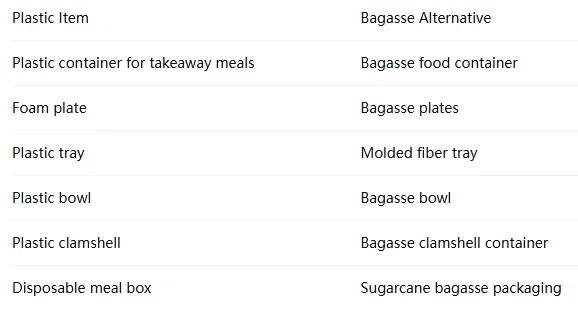
Ecco perché la bagassa riveste un ruolo così importante nel settore degli imballaggi. Offre all’industria alimentare la possibilità di utilizzare un sottoprodotto della lavorazione della canna da zucchero e di trasformarlo in pratici contenitori per alimenti, piatti, vassoi, ciotole e contenitori da asporto. La bagassa può essere impiegata in numerose applicazioni alimentari in cui un tempo erano comunemente utilizzati la plastica tradizionale o il polistirolo espanso.
Per Sheeon Pulp, la bagassa non è solo una materia prima. È parte integrante di un sistema più ampio di materiali cartacei sostenibili. In qualità di fornitore B2B con sede in Cina, ci concentriamo su pasta di cellulosa non derivata dal legno, bagassa di canna da zucchero, pasta di bambù, pasta di paglia di frumento, carta di pietra e materiali cartacei speciali per acquirenti globali che necessitano di soluzioni di imballaggio affidabili ed ecocompatibili.
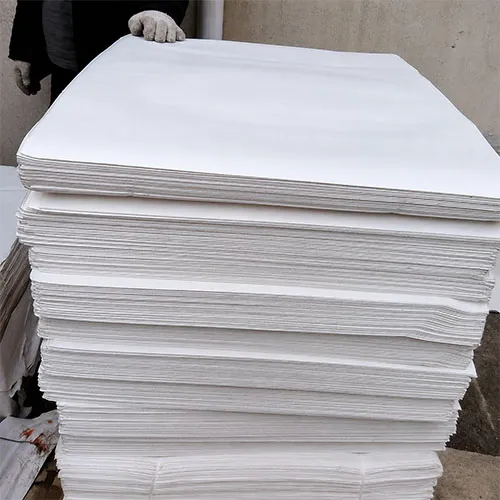
Il confronto tra bagassa e plastica non è solo una questione di materiali. È una scelta che riguarda la catena di approvvigionamento. La plastica convenzionale è solitamente prodotta a partire da risorse fossili. Un contenitore di plastica può essere leggero, economico e impermeabile, ma può rimanere nell’ambiente per molto tempo se non viene raccolto e gestito correttamente. L’UNEP riferisce che circa 36% di plastica prodotta viene utilizzata negli imballaggi, compresi i contenitori monouso in plastica per alimenti e bevande, e gran parte di questi imballaggi finisce per diventare rifiuto.
La bagassa, invece, si ricava dalla canna da zucchero. Si tratta di un materiale fibroso di origine vegetale. Quando viene trasformata in polpa di bagassa e gli imballaggi in fibra stampata, può sostituire molti contenitori alimentari in plastica utilizzati per i pasti da asporto, nelle mense, nel settore della ristorazione, nei supermercati e nelle consegne a domicilio.
La bagassa è generalmente più sostenibile per molti articoli monouso destinati al settore della ristorazione, poiché deriva da un sottoprodotto agricolo rinnovabile. Ma non è una soluzione miracolosa. Il risultato finale dipende dalla progettazione del prodotto, dalla sicurezza nel contatto con gli alimenti, dalla certificazione, dalla disponibilità di strutture per il compostaggio e dalla presenza o meno di un rivestimento in plastica sull’articolo.
I contenitori in bagassa sono molto apprezzati perché risultano pratici. Un buon contenitore per alimenti in bagassa è robusto, ha un aspetto pulito ed è adatto a molti tipi di pietanze. Può contenere riso, pasta, insalata, cibi fritti, prodotti da forno e piatti pronti. Per i ristoranti e gli operatori del settore della ristorazione, questo aspetto è fondamentale perché il packaging deve proteggere la qualità del cibo, non solo apparire ecologico.
Anche i marchi del settore della ristorazione devono far fronte a una crescente domanda da parte dei consumatori di imballaggi sostenibili. I clienti prestano attenzione agli imballaggi. Un contenitore in fibra naturale trasmette un messaggio ambientale più positivo rispetto a un contenitore tradizionale in plastica. Comunica all’acquirente: “Ci teniamo a utilizzare materiali migliori”.”
I contenitori in bagassa sono adatti anche a molte situazioni nel settore della ristorazione. Possono essere realizzati come:
Per gli importatori e i distributori, i prodotti a base di bagassa sono interessanti perché possono essere forniti a ristoranti, supermercati, catene alberghiere, scuole, società di catering per eventi e piattaforme di consegna di cibo a domicilio. In altre parole, la domanda è ampia.
Molti contenitori alimentari in bagassa possono essere compostabili, ma gli acquirenti dovrebbero verificare le certificazioni e le condizioni di smaltimento. Gli imballaggi compostabili devono degradarsi in un ambiente di compostaggio adeguato. Non dovrebbero essere semplicemente considerati come “qualcosa che scompare ovunque”. L’EPA spiega che il compostaggio è un processo di riciclaggio naturale controllato che contribuisce a ridurre i rifiuti destinati alle discariche e a creare un terreno sano.
In molti mercati, gli imballaggi compostabili funzionano al meglio quando è disponibile un servizio di compostaggio industriale. Questo aspetto è importante per gli acquirenti B2B. Se il sistema di gestione dei rifiuti locale non accetta imballaggi alimentari compostabili, il beneficio ambientale potrebbe risultare ridotto. Un prodotto certificato a base di bagassa è più efficace, sia dal punto di vista del marketing che della conformità normativa, rispetto a una vaga dichiarazione di “sostenibilità”.
Quindi, la risposta giusta è semplice: la bagassa compostabile può rappresentare una valida alternativa ecologica, ma solo se la certificazione del prodotto, l’etichettatura e i sistemi di compostaggio locali sono in linea tra loro.
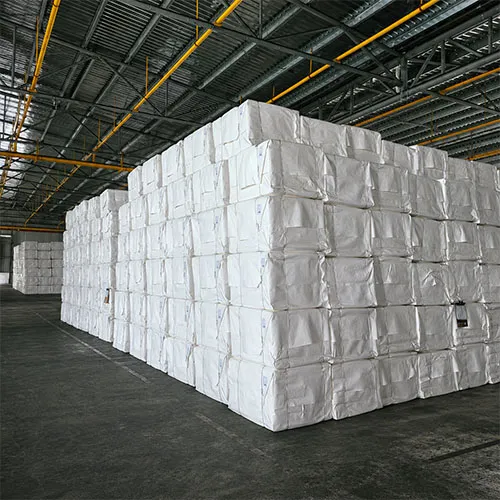
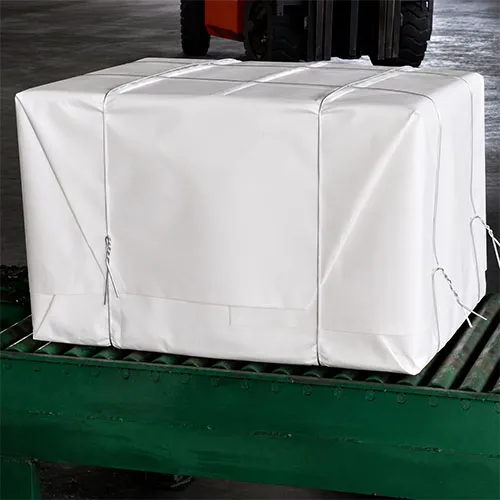
Il processo ha inizio con la canna da zucchero. Dopo aver estratto il succo dalla canna da zucchero, la fibra di bagassa rimanente viene raccolta, pulita, vagliata e trasformata in pasta di cellulosa. Questa pasta di cellulosa può poi essere utilizzata per la produzione di imballaggi alimentari, carta, fibra stampata e stoviglie monouso.
Un processo tipico prevede:
Presso la Sheeon Pulp, nei documenti aziendali si descrive polpa di bagassa come pasta di cellulosa rinnovabile ottenuta dagli scarti della lavorazione dello zucchero di canna e adatta alla produzione di carta da imballaggio di alta qualità, carta da imballaggio per uso alimentare, stampi in carta, stoviglie monouso e applicazioni correlate.
Questo aspetto è importante per gli acquirenti perché la qualità della polpa influisce sul prodotto finale confezionato. Una buona struttura delle fibre garantisce una maggiore resistenza. Un livello stabile di umidità e un’elevata pulizia favoriscono una produzione più fluida. La fibra di bagassa di qualità costante aiuta i produttori a ridurre i difetti e a migliorare le prestazioni di formatura.
Sì, gli imballaggi in bagassa sono adatti a molti usi comuni nel settore della ristorazione, compresi i pasti caldi, i cibi freddi e alcuni alimenti grassi. Tuttavia, gli acquirenti dovrebbero scegliere il prodotto in base all’effettivo utilizzo alimentare. Una ciotola per la zuppa, un contenitore a conchiglia per hamburger e un vassoio per alimenti surgelati non richiedono la stessa struttura.
Per i cibi caldi, i contenitori in bagassa offrono una buona resistenza al calore per il servizio a breve termine. Per i cibi freddi, vengono spesso utilizzati per insalate, frutta, dessert e piatti freddi. Per i cibi oleosi, il design del prodotto e il trattamento superficiale assumono maggiore importanza. Alcuni prodotti possono ricorrere a un rivestimento per migliorare la resistenza all’olio o all’acqua, ma gli acquirenti dovrebbero verificare se il rivestimento influisca sulla compostabilità o sul riciclaggio.
Anche il contatto con gli alimenti è importante. La FDA spiega che le sostanze a contatto con gli alimenti includono gli imballaggi alimentari e i componenti che entrano in contatto con gli alimenti. Per gli acquirenti B2B, ciò significa che non dovrebbero limitarsi a chiedere: “Si tratta di bagassa?”, ma dovrebbero anche chiedersi: “È adatto al mio mercato e ai miei requisiti in materia di contatto con gli alimenti?”.”
Un fornitore affidabile dovrebbe aiutarti a verificare:
Gli imballaggi alimentari in bagassa possono sostituire i contenitori di plastica in molte applicazioni di breve durata. Sono particolarmente utili quando l’imballaggio viene utilizzato una sola volta, contiene cibo già pronto e non richiede una lunga durata di conservazione. Si pensi ai pasti da asporto, ai vassoi delle mense, al catering per eventi, ai vassoi per i pasti serviti in aereo e agli imballaggi dei ristoranti fast food.
Le aree in cui si effettuano più spesso le sostituzioni includono:
La bagassa e la plastica non sono equivalenti in ogni ambito di utilizzo. La plastica continua a offrire prestazioni migliori in alcune applicazioni di confezionamento che richiedono un’elevata barriera, una conservazione prolungata o un elevato contenuto di liquidi. Tuttavia, per molti prodotti destinati alla ristorazione, la bagassa rappresenta una valida alternativa sostenibile alla plastica.
Ecco perché la scelta tra bagassa e plastica dovrebbe dipendere dall’applicazione. Se si necessita di imballaggi compostabili per un uso a breve termine e dall’aspetto naturale, la bagassa potrebbe essere la soluzione migliore. Se invece si richiede una lunga durata di conservazione o un’elevata barriera contro l’umidità, potrebbe essere necessario ricorrere a carta patinata, carta di pietra o una soluzione ibrida.
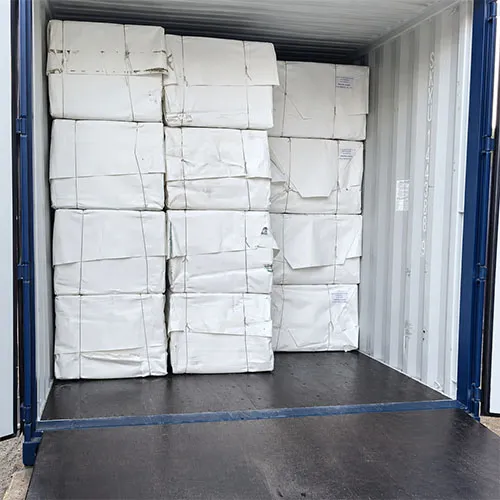
Gli acquirenti B2B dovrebbero considerare altri fattori oltre al prezzo. Il più economico polpa di bagassa oppure il contenitore non è sempre la scelta migliore. Una materia prima di scarsa qualità può causare problemi di formatura, bordi fragili, variazioni di colore, problemi di odore o instabilità nell'approvvigionamento. Ciò può compromettere la vostra linea di produzione e la fiducia dei vostri clienti.
Per gli acquirenti di pasta di cellulosa, informatevi su luminosità, umidità, lunghezza delle fibre, viscosità, pH e imballaggio. Per gli acquirenti di contenitori finiti, informatevi su dimensioni, spessore, peso, resistenza all’olio, resistenza all’acqua, compatibilità dei coperchi, imballaggio in cartone e opzioni di marchio privato.
Noi di Sheeon Pulp comprendiamo bene questi aspetti perché serviamo produttori di articoli in carta, produttori di imballaggi alimentari, fabbriche di stoviglie monouso, acquirenti del settore della stampa e dell’editoria, importatori, distributori e acquirenti di materie prime industriali. Sappiamo che gli acquirenti hanno bisogno di un approvvigionamento stabile, non di promesse vuote.
Sheeon Pulp si posiziona come fornitore B2B con sede in Cina, specializzato in pasta di cellulosa ecologica e materiali cartacei sostenibili. La nostra attività si concentra sulla pasta di cellulosa non legnosa e sui prodotti cartacei speciali, tra cui la pasta di bagassa, la pasta di bambù, la pasta di paglia di frumento, la carta per Bibbie e la carta di pietra.
Il nostro valore non sta solo nella vendita della pasta di cellulosa. Aiutiamo i clienti a scegliere la materia prima più adatta alla loro applicazione specifica. Un acquirente nel settore degli imballaggi alimentari potrebbe aver bisogno di pasta di bagassa. Un produttore di carta tissue potrebbe preferire la pasta di bambù. Un trasformatore di imballaggi potrebbe prendere in considerazione la pasta di paglia di frumento. Un acquirente nel settore della stampa potrebbe aver bisogno di carta biblica. Un acquirente di imballaggi impermeabili potrebbe chiedere informazioni sulla carta di pietra.
Supportiamo:
In base alla nostra esperienza, i clienti internazionali attribuiscono grande importanza alle prestazioni in materia di sostenibilità, alla conformità alle certificazioni, alla capacità di personalizzazione e all’affidabilità della catena di approvvigionamento. Ecco perché puntiamo su una comunicazione chiara, sul controllo della qualità e su consigli pratici sui prodotti.
La bagassa può essere una scelta migliore della plastica monouso per molti articoli destinati alla ristorazione, poiché è ricavata dalla fibra di canna da zucchero e, se certificata, può essere compostabile. È particolarmente utile per piatti, vassoi, ciotole e contenitori per alimenti utilizzati per i pasti da asporto e il catering.
La bagassa è ottenuta dai residui della canna da zucchero che rimangono dopo l'estrazione del succo. Questo sottoprodotto della lavorazione della canna da zucchero può essere trasformato in pasta di cellulosa, fibra modellata e prodotti a base di bagassa destinati al confezionamento alimentare e alle applicazioni cartarie.
I contenitori in bagassa resistono all'umidità in molti ambiti della ristorazione, ma non sono equivalenti a quelli in plastica. Per gli alimenti oleosi o umidi, gli acquirenti dovrebbero verificare la resistenza all'acqua e all'olio, il tipo di rivestimento e i rapporti dei test di contatto con gli alimenti prima di effettuare l'ordine.
Sì. I contenitori per alimenti in bagassa sono ampiamente utilizzati per pasti caldi, cibo da asporto, pasti da mensa e consegna a domicilio. Tuttavia, l'intervallo di temperatura corretto dipende dal design del prodotto e dai test effettuati, pertanto gli acquirenti B2B dovrebbero verificare le specifiche con il fornitore.
Molti prodotti da imballaggio a base di bagassa possono essere compostabili, soprattutto se sono certificati e trattati in sistemi di compostaggio adeguati. Gli acquirenti dovrebbero verificare le norme locali in materia di compostaggio e richiedere i documenti di certificazione prima di dichiarare che i prodotti sono compostabili.
Polpa di bagassa è adatto a cartiere, stabilimenti di produzione di fibra modellata, produttori di imballaggi alimentari, produttori di stoviglie monouso, importatori, distributori e marchi di materiali ecocompatibili alla ricerca di materie prime cartiere sostenibili.
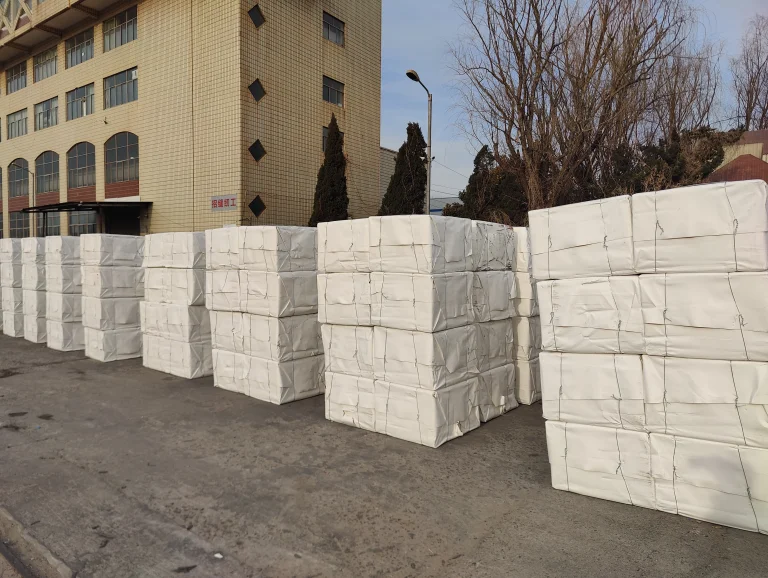
La carta di bambù è una carta prodotta interamente o in parte con polpa di bambù, quindi acquistarla significa scegliere un tipo di polpa. Sheeon produce pasta di bambù sbiancata con una luminosità di circa 85% e fibre di lunghezza superiore a 1,7 mm, e pasta non sbiancata con una luminosità compresa tra 40 e 43% e fibre di lunghezza superiore a 2,2 mm.

La carta di bambù è una carta prodotta interamente o in parte con polpa di bambù, quindi acquistarla significa scegliere un tipo di polpa. Sheeon produce pasta di bambù sbiancata con una luminosità di circa 85% e fibre di lunghezza superiore a 1,7 mm, e pasta non sbiancata con una luminosità compresa tra 40 e 43% e fibre di lunghezza superiore a 2,2 mm.