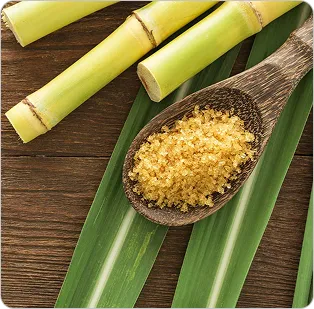
küspe posası
Daha Fazla Bilgi


 14:27
14:27 Wood pulp prices, fiber shortages, and sustainability pressure can make paper sourcing hard. Many paper mills need a practical non-wood pulp option. Wheat straw offers one clear path: turn agricultural straw into useful paper pulp for selected paper products and pulp solutions.
Yes, buğday samanı can be used to make paper pulp. Through straw pulping, wheat straw is cleaned, cut, cooked, washed, screened, and sometimes bleached to create wheat straw pulp. This non-wood paper pulp can support paper products, packaging paper, writing paper, cultural paper, and other paper industry applications.
As a China-based B2B supplier of eco-friendly pulp and sustainable paper materials, Sheeon Pulp provides wheat straw pulp together with bagasse pulp, bamboo pulp, Bible paper, and stone paper. We help paper product manufacturers, pulp importers, packaging buyers, and distributors choose stable pulp solutions for global markets.
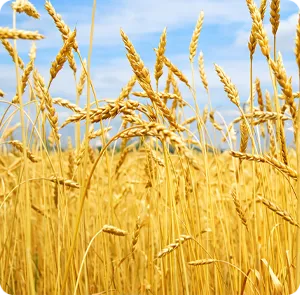
Wheat straw pulp is a type of non-wood pulp made from wheat straw as the raw material. After wheat grain is harvested, the remaining straw stalk can be collected, cleaned, processed, and converted into pulp fibers. This turns an agricultural byproduct into a useful material for paper and pulp applications.
According to Sheeon Pulp’s wheat straw pulp product page, Wheat Straw Pulp is made from wheat straw as the raw material. Sheeon describes it as a short-fiber pulp with high opacity, loose thickness, good flatness, smoothness, and delicacy. Sheeon lists both Bleached Wheat Straw Pulp and Unbleached Wheat Straw Pulp under this product category.
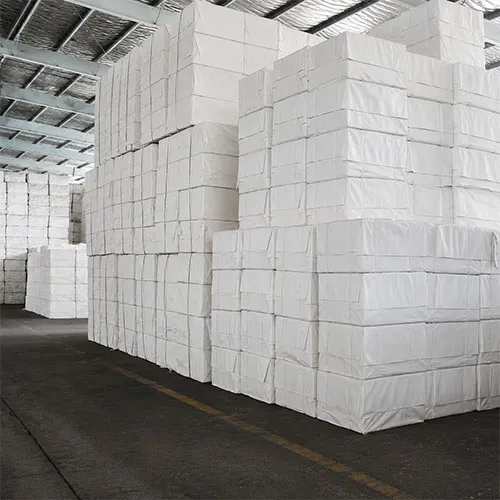
Wheat straw can be used for paper pulp because it contains plant fibers. These fibers can be separated, softened, cleaned, and formed into paper sheets. In simple terms, paper making needs fiber. Wheat straw provides fiber material from agricultural residue.
This is why wheat straw is often studied as a raw material for pulp production. A research paper in ACS Omega discusses the use of wheat straw for the paper industry and studies how pretreatment affects pulping and papermaking properties.
Using wheat straw as a raw material for paper can help reduce dependence on wood pulp in selected applications. It also supports agricultural waste valorization. Instead of leaving straw unused or burning it, a pulp mill can use straw for pulp and paper production when supply, process control, and environmental treatment are properly managed.
The straw pulping process turns wheat straw into usable pulp. The general pulping process includes raw material collection, dust removal, cutting, cooking, pulp washing, screening, refining, pulp bleaching if needed, and sheet forming or packing.
A simple straw pulp making flow may look like this:
Wheat Straw Collection
↓
Dust Removal and Cutting
↓
Cooking / Alkaline Pulping
↓
Pulp Washing
↓
Screening and Cleaning
↓
Arıtma
↓
Pulp Bleaching or Natural Color Control
↓
Pulp Sheet Forming / Drying / Packing
The pulping of wheat straw is different from wood pulping. Wheat straw is lighter, shorter, and more scattered than wood chips. It also contains more non-fiber impurities such as dust, leaves, nodes, and silica. That means straw pulping needs good cleaning, careful cooking, and strong wastewater control.
Buğday samanı posası making can use different pulping methods. The common industrial direction is chemical pulp or alkaline pulping. In alkaline pulping, chemicals help break down lignin and separate fibers. Soda pulp is one example of alkaline pulp. Kraft pulping can also be discussed in industry research, though straw has different recovery and handling challenges than wood.
Mechanical pulping is less common for high-quality wheat straw pulp because it does not remove lignin as effectively. It may give higher pulp yield, but the resulting pulp may have lower brightness or weaker quality for some paper products. Chemical methods can give cleaner pulp, but chemical recovery and wastewater treatment must be managed carefully.
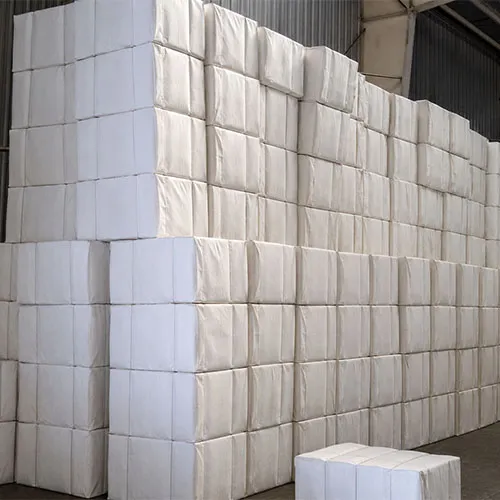
Wheat straw pulp has short fibers. Short-fiber pulp can support good formation, smoothness, and opacity. This is why wheat straw pulp can be useful for selected writing paper, printing paper, base paper, paper and board, and cultural paper applications.
Sheeon Wheat Straw Pulp has high opacity, loose thickness, good flatness, smoothness, and delicacy. These pulp properties make it relevant for buyers who care about surface feel, paper appearance, and paper formation.
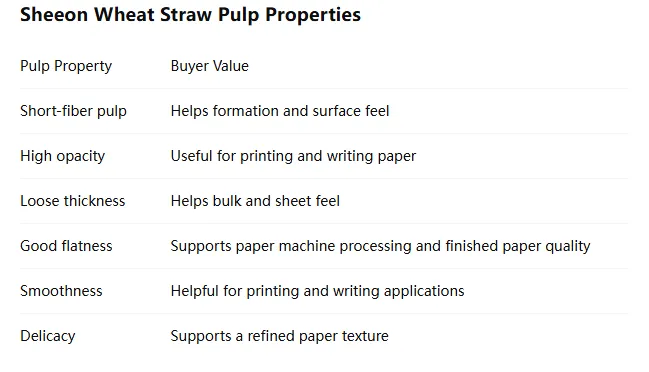
For paper manufacturers, no pulp should be judged alone. Wheat straw pulp can be blended with other pulp fibers when needed. The final paper properties depend on furnish design, refining, additives, paper machine settings, and end-use requirements.
Buğday samanı posası can be used in selected paper products where short-fiber pulp properties are useful. These may include printing paper, writing paper, cultural paper, tissue-related paper, packaging paper, base paper, and some molded pulp or paper-based applications depending on the grade and process.
In the paper industry, buyers often choose pulp based on the final paper product. A paper mill producing high-quality paper may care about brightness, flatness, smoothness, and opacity. A packaging paper buyer may care more about bulk, stiffness, cost, and stable supply.
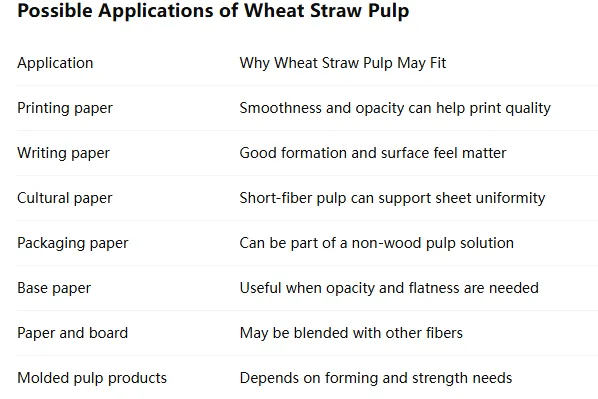
For buyers, the best approach is sample testing. Ask for wheat straw pulp samples, test them with your paper machine or production process, and compare them with wood pulp, bamboo pulp, bagasse pulp, or recycled pulp.
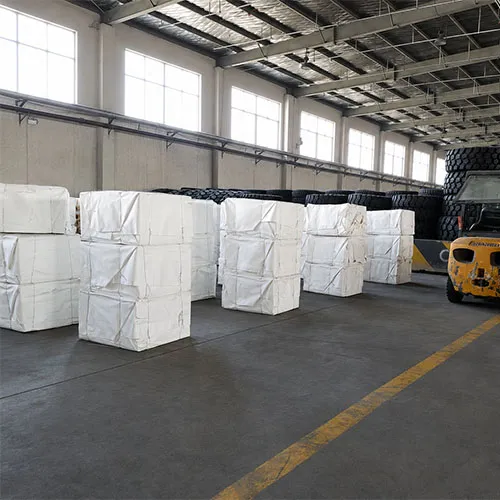
The biggest benefit of wheat straw pulp is resource value. Wheat straw is an agricultural residue. Using it for pulp production can reduce waste and create a sustainable raw material stream for pulp and papermaking.
Another benefit is fiber diversification. Many paper manufacturers depend heavily on wood pulp or recovered paper. Wheat straw pulp can become one more material option. It may help buyers build a more flexible supply chain, especially when wood pulp prices rise or recovered paper quality changes.
For Sheeon Pulp, wheat straw pulp fits a wider sustainable material portfolio. It gives buyers another option besides bagasse pulp, bamboo pulp, Bible paper, and stone paper.
Pulp bleaching is used when buyers need brighter pulp. Bleached pulp is useful for printing paper, writing paper, tissue-related applications, and paper products that need a clean white appearance. Unbleached pulp may be better for natural-color paper, eco-style packaging, or products that want a lower-processed look.
The bleaching process should balance brightness, fiber strength, cost, and environmental control. Strong bleaching may improve appearance, but it also adds process requirements. That is why buyers should not only ask, “Is it bleached?” They should also ask about final brightness, pulp viscosity, cleanliness, and target application.
Sheeon Pulp is positioned as a China-based B2B supplier specializing in eco-friendly pulp and sustainable paper materials. Sheeon was founded in 2008, is headquartered in Jinan, China, and focuses on high-quality, eco-friendly, plant-based pulp materials. Sheeon specializes in bagasse pulp, bamboo pulp, and wheat straw pulp, and serves more than 50 countries.
Pulp procurement is about more than just a single order.It is about stable material supply, product matching, export service, and long-term cooperation. Sheeon’s product portfolio includes wheat straw pulp, bagasse pulp, bamboo pulp, Bible paper, and stone paper, giving buyers more ways to build sustainable paper product lines.
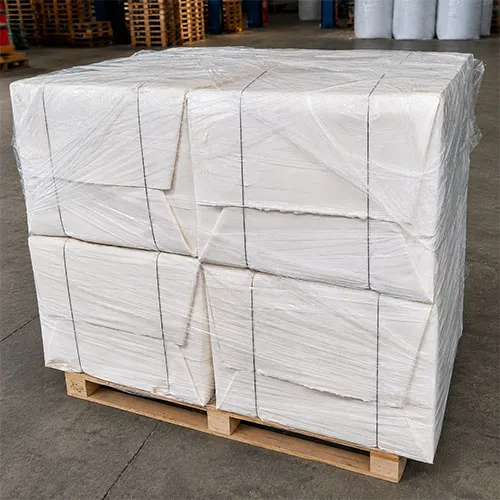
Yes. Wheat straw can be used to make paper pulp through straw pulping. The straw is cleaned, cooked, washed, screened, refined, and sometimes bleached to create wheat straw pulp for selected paper products.
Buğday samanı posası is a non-wood pulp made from wheat straw as the raw material. Sheeon describes its Wheat Straw Pulp as a short-fiber pulp with high opacity, loose thickness, good flatness, smoothness, and delicacy.
Straw pulping is the process of converting straw into pulp. It usually includes raw material cleaning, cutting, chemical cooking, pulp washing, screening, refining, and pulp bleaching if a white pulp is needed.
Not always. Wheat straw pulp and wood pulp have different fiber properties. Wheat straw pulp can be useful for opacity, smoothness, and sustainable positioning, while wood pulp may provide stronger long fibers for some products. Many paper mills test blends.
Pulp yield depends on raw material quality, pulping process, chemical charge, temperature, and screening. Research shows that wheat straw pulp yield can vary widely under different pulping conditions. Buyers should test actual pulp performance instead of relying on one fixed number.
Yes. Bleaching of wheat straw pulp can be used when buyers need brighter pulp for printing paper, writing paper, or white paper products. Unbleached pulp may be better for natural-color packaging or eco-style paper products.
Buğday samanı posası can be used in selected packaging paper applications, depending on the grade, strength needs, furnish blend, and production process. Buyers should test it with their paper machine and final product requirements.
Yes. Sheeon Pulp lists Wheat Straw Pulp as one of its product categories and provides both Bleached Wheat Straw Pulp and Unbleached Wheat Straw Pulp. Sheeon also supplies bagasse pulp, bamboo pulp, Bible paper, and stone paper for global B2B buyers.
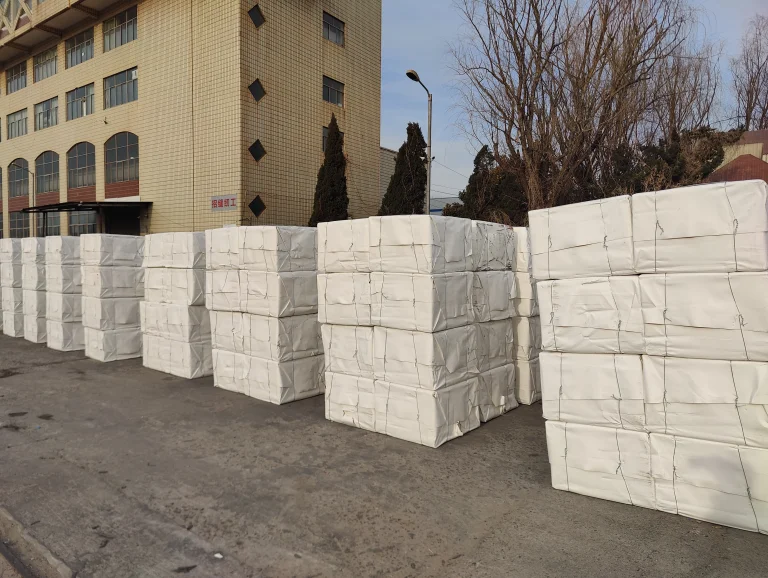
Bambu kağıdı, tamamen veya kısmen bambu hamurundan üretilen bir kağıt türüdür; dolayısıyla bu ürünü satın almak, bir hamur kalitesini seçmek anlamına gelir. Sheeon, lif uzunluğu 1,7 mm'den uzun olan ve parlaklığı yaklaşık 85% olan ağartılmış bambu hamuru ile lif uzunluğu 2,2 mm'den uzun olan ve parlaklığı 40–43% arasında değişen ağartılmamış bambu hamuru üretmektedir.

Bambu kağıdı, tamamen veya kısmen bambu hamurundan üretilen bir kağıt türüdür; dolayısıyla bu ürünü satın almak, bir hamur kalitesini seçmek anlamına gelir. Sheeon, lif uzunluğu 1,7 mm'den uzun olan ve parlaklığı yaklaşık 85% olan ağartılmış bambu hamuru ile lif uzunluğu 2,2 mm'den uzun olan ve parlaklığı 40–43% arasında değişen ağartılmamış bambu hamuru üretmektedir.