küspe posası
Daha Fazla Bilgi


 09:02
09:02 Sheeon Pulp Technical Team | Technical Content Team | Published: August 28, 2026
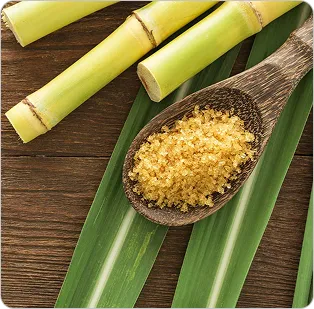
Ağartılmamış küspe posası is sugarcane fiber pulp left in its natural, minimally-processed state, with brightness typically at 40–43% against the 80%+ of bleached grades. For molded fiber packaging manufacturers, that lower processing level translates into a different cost profile and a narrower — but specific — set of applications where whiteness isn’t the priority.
Skipping the bleaching stage isn’t just a color decision. It changes beating degree, moisture handling and the packaging format the pulp ships in. Sheeon’s unbleached bagasse pulp is published at 18°SR beating degree, against 22°SR for the bleached grade — meaning less fiber refining has taken place before the pulp reaches a manufacturer’s own line. For buyers doing their own re-pulping and forming, that’s a real variable, not a footnote: less upstream refining generally means more processing work on your end, offset by a lower per-ton material cost.
| Parametre | Değer |
| Parlaklık | 40–43% |
| Kir miktarı, 0,3–5,0 mm² | <40 mm²/500 g |
| Kir miktarı, >5,0 mm² | Yok |
| Temel ağırlık | 500–530 g/m² |
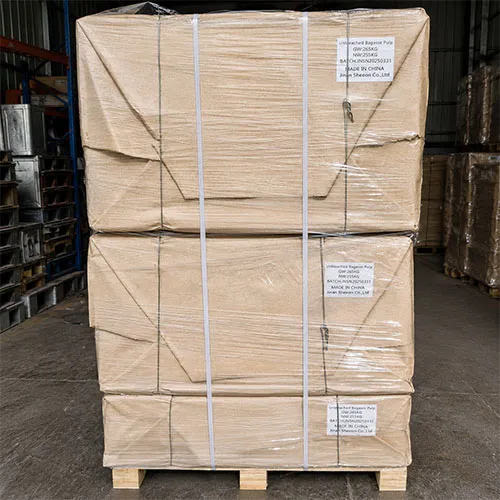
| Balya ağırlığı | 250 kg ADMT |
| Nem | 14 ± 21 TP3T |
| pH | <8,0 |
| Bale size | 700 × 800 × 600 mm |
| Dayak derecesi | 18° güney enlemi |
Note what’s absent from this list: tensile, tear and burst index figures — all published for Sheeon’s bleached grade — are not disclosed for ağartılmamış küspe hamuru on the reviewed pages. For molded fiber applications where wall or rim strength matters, this is a figure worth requesting directly before committing to volume, rather than assuming it matches the bleached grade’s numbers.
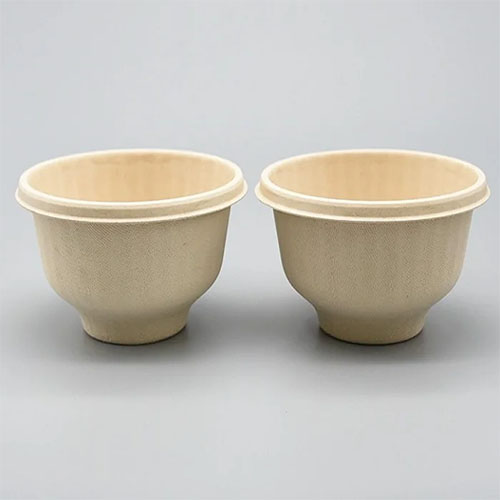
Cushioning and protective packaging inserts. Where the packaging layer isn’t visible to the end consumer, natural brown-toned fiber performs the same structural role as bleached pulp at a lower material cost, since no whitening processing is built into the price.
Trays and non-visible molded components. Industrial and shipping trays that prioritize load-bearing structure over surface appearance are a common fit — dirt count under 40 mm²/500 g is close enough to the bleached grade’s 35 mm²/500 g threshold that visible-surface quality differences are minor for applications where the surface isn’t the selling point.
Bulk furnish blending. Manufacturers running their own bleaching or whitening step downstream sometimes source unbleached pulp specifically to control that processing stage in-house rather than paying for pre-bleached material.
Manufacturers new to sourcing sometimes read the 500–530 g/m² basis weight figure and assume it describes the grammage of the finished molded packaging piece. It doesn’t. That figure describes the pulp sheet as delivered in bale form — before re-pulping, forming and pressing reshape the fiber into a molded product with its own thickness and weight profile. Confusing the two can throw off cost-per-unit calculations before a production run even starts; treat the 500–530 g/m² figure as a raw-material spec, not a finished-packaging spec.
Where ağartılmamış küspe hamuru helps molded packaging manufacturers:
Where buyers need to go back to the supplier before ordering:
A: 40–43%, against 80%+ for the bleached grade. This is a natural fiber color rather than a processing defect — no bleaching step has been applied.
A: Food-contact-related claims are published at the company level (CE, FDA-related language, SGS) without certificate numbers or issuing bodies disclosed. Request the specific documentation matched to this grade before relying on it for a food-contact packaging application.
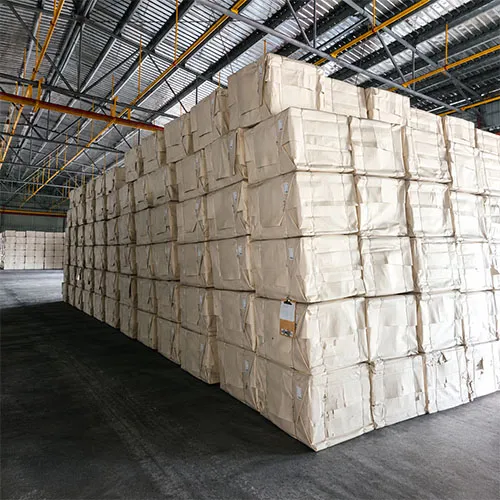
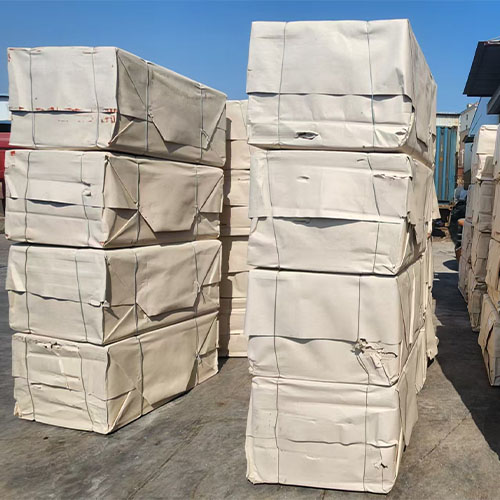
A: 250 kg ADMT, in a 700 × 800 × 600 mm bale — figures not disclosed for the bleached sheet format, making this grade the more straightforward one for container-load planning.
A: Not on the reviewed pages. Manufacturers evaluating this grade for strength-dependent molded packaging should request tensile, tear and burst index data directly from the supplier.
Manufacturers considering a switch from bleached to unbleached stock for non-visible packaging components should request a small trial bale first — beating degree and moisture behave differently once they hit an existing forming line, and that’s worth confirming before a bulk order.
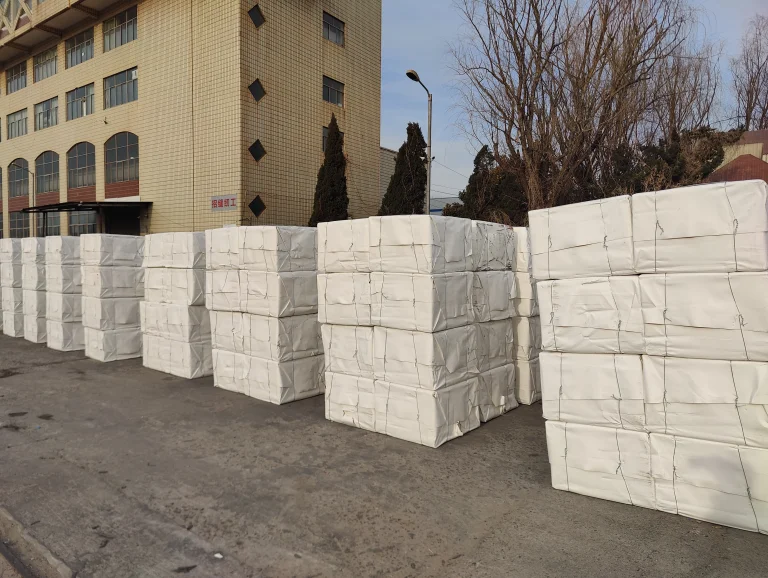
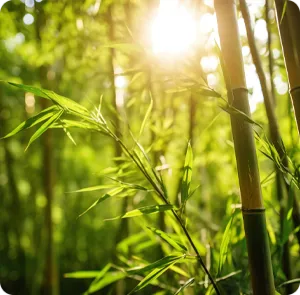
Bambu kağıdı, tamamen veya kısmen bambu hamurundan üretilen bir kağıt türüdür; dolayısıyla bu ürünü satın almak, bir hamur kalitesini seçmek anlamına gelir. Sheeon, lif uzunluğu 1,7 mm'den uzun olan ve parlaklığı yaklaşık 85% olan ağartılmış bambu hamuru ile lif uzunluğu 2,2 mm'den uzun olan ve parlaklığı 40–43% arasında değişen ağartılmamış bambu hamuru üretmektedir.
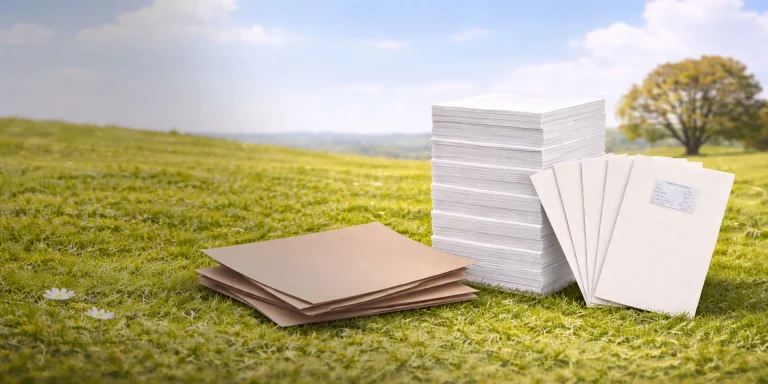
Bambu kağıdı, tamamen veya kısmen bambu hamurundan üretilen bir kağıt türüdür; dolayısıyla bu ürünü satın almak, bir hamur kalitesini seçmek anlamına gelir. Sheeon, lif uzunluğu 1,7 mm'den uzun olan ve parlaklığı yaklaşık 85% olan ağartılmış bambu hamuru ile lif uzunluğu 2,2 mm'den uzun olan ve parlaklığı 40–43% arasında değişen ağartılmamış bambu hamuru üretmektedir.