küspe posası
Daha Fazla Bilgi


 11:13
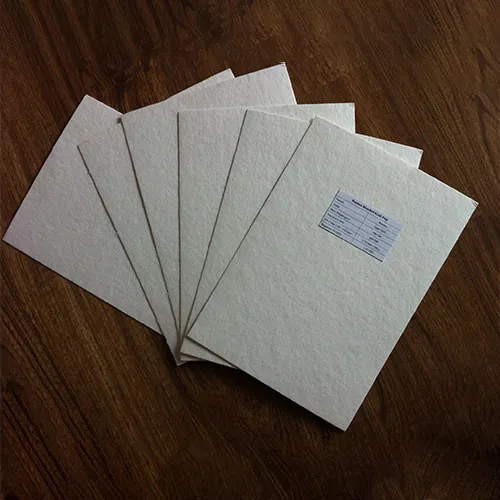
Bambu kağıdı is made from bamboo fiber; tree paper is made from wood pulp. Neither wins outright, because performance depends on the pulp grade. Sheeon’s bleached bamboo pulp publishes brightness near 85% and fiber length above 1.7 mm, which gives buyers fixed numbers to test any virgin wood pulp against.
“Tree paper” is shorthand for paper made from wood pulp. In a purchasing context the sharper term is virgin wood pulp, meaning pulp made from wood fiber rather than recycled paper. Bamboo paper swaps in bamboo fiber as the raw material. Sheeon supplies bleached and unbleached bamboo pulp in that second category and positions its bamboo, bagasse and wheat straw ranges as alternatives to conventional wood-pulp sourcing.
Fiber source is only the starting point. What a sheet does on your machine depends on the grade: how it was bleached, how clean it is, and how strong its fibers are. The rest of this article therefore compares numbers, not origins.
| Dimension | Sheeon bleached bamboo pulp (published) | Virgin wood pulp (what to request) |
| Hammadde | Bambu lifi | Wood fiber; softwood and hardwood grades differ |
| Parlaklık | Approximately 85% | Set by the grade; ask for the % and the test method |
| Lif uzunluğu | >1,7 mm | Varies by species; ask for the figure per grade |
| Tensile / tear / burst | >55 N·m/g / >8.5 mN·m²/g / >5.0 kPa·m²/g | Ask for all three, not only tensile |
| Temizlik | Dirt count banded by size, none above 4.0 mm² | Ask whether dirt count is banded the same way |
| Certification route | CE, FSC, SGS and FDA-related claims on the website; certificate numbers not disclosed | FSC and other claims also need document checks |
| Price basis | On request | On request or index-linked, depending on supplier |
Compared with conventional wood-pulp sourcing, moving to bamboo pulp changes the fiber, so the qualification work starts over along with the supplier. The right-hand column is a to-do list on purpose. A single “tree paper” number would mislead, because softwood and hardwood grades from different mills do not share one spec.
| Parametre | Yayımlanan değer |
| Hammadde | Bambu lifi |
| Parlaklık | Approximately 85% |
| Kir miktarı, 0,3–1,0 mm² | <25 mm²/500 g |
| Kırıntı miktarı, 1,0–4,0 mm² | <20 mm²/500 g |
| Kir miktarı, >4,0 mm² | Yok |
| Çekme endeksi | >55 N·m/g |
| Yırtılma indeksi | >8,5 mN·m²/g |
| Patlama endeksi | >5,0 kPa·m²/g |
| Viskozite | 600–800 ml/g |
| Lif uzunluğu | >1,7 mm |
The product page references GB/T 8940.2, GB/T 10740, GB/T 7982, GB/T 1548 and GB/T 10336-2002. It does not map each method to a parameter, so ask which method produced which figure before putting these numbers next to another supplier’s sheet.
Grade matters inside bamboo too. Sheeon’s unbleached bamboo pulp lists brightness of 40–43%, tensile index above 50 N·m/g and fiber length above 2.2 mm. The bleached grade lists tensile above 55 N·m/g and fiber length above 1.7 mm. “Bamboo pulp” is therefore not one set of numbers, and any comparison with wood pulp has to name the grade.
Is bamboo paper better than tree paper?
Not as a rule. The grade decides: brightness, dirt count, strength indices and fiber length. Compare a named bamboo grade against the specific wood pulp you use now, using the same test methods.
Sheeon’un bambu hamuru FSC sertifikalı mı?
Sheeon’s website claims FSC for bamboo pulp, but no certificate number, scope or validity date is disclosed. Check the holder name and code in the FSC public certificate search before relying on the claim.
How much does bleached bamboo pulp cost?
No public price exists. Quotes depend on grade, specification, order volume, packaging and delivery terms.
Can bamboo pulp be used for food-contact products?
The website references FDA-related compliance on bamboo pulp pages, without authorization details. For EU use, Regulation (EC) No 1935/2004 applies; request the supporting documentation for your exact application before ordering.
Send your current wood pulp spec sheet and your end product to Sheeon’s technical team to get a grade match and samples.
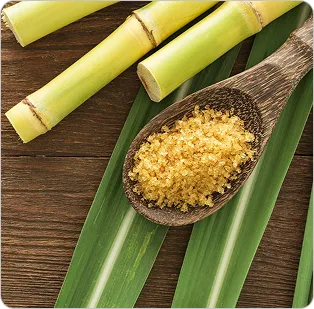
Bagasse pulp is fiber made from sugarcane bagasse, the residue left after juice extraction. Sheeon offers a bleached grade with brightness above 80% and an unbleached grade at 40–43%. Choose by brightness target, cleanliness limits and strength data, then verify certificates and test samples before committing to volume. What sugarcane bagasse pulp is Sugarcane bagasse […]

Bamboo paper is made from bamboo fiber; tree paper is made from wood pulp. Neither wins outright, because performance depends on the pulp grade. Sheeon’s bleached bamboo pulp publishes brightness near 85% and fiber length above 1.7 mm, which gives buyers fixed numbers to test any virgin wood pulp against. Where the fibers come from […]