bagasse pulp
Learn More


 16:54
16:54 Many brands want greener paper products, but they still need stable quality, safe materials, and reliable bulk supply. Poor raw material choices can raise costs, slow production, and hurt sustainability claims. The right paper pulp solves these problems from the start.
Paper pulp is a fiber-based raw material used to make paper, paperboard, packaging materials, tissue, molded products, and specialty paper. It can be made from wood pulp, recycled paper, bamboo pulp, bagasse pulp, wheat straw pulp, or other plant fibers through mechanical, chemical, or recycled pulp processing methods.
Pulp is a soft mass of fibers used as the base material for paper and many paper products. In simple words, pulp is what paper starts from. When fibers are separated, cleaned, treated, and formed into paper sheets, they become the paper material we use every day.
For the pulp and paper industry, pulp quality decides many things: paper strength, color, smoothness, absorbency, stiffness, printing performance, and final paper product stability. A paper mill cannot produce good white paper, kraft paper, packing paper, or printer paper without the right raw material.
At Sheeon Pulp, we see pulp not only as a material but also as a supply chain decision. Buyers today often ask: Is the pulp sustainable? Is the pulp produced from renewable fiber? Can it support food packaging, paper and packaging materials, or paper crafts? These questions matter because modern paper production must balance cost, performance, and environmental responsibility.
To make paper, manufacturers first need to make pulp. The basic papermaking process includes raw material preparation, pulping, washing, screening, bleaching if needed, refining, sheet forming, pressing, drying, and finishing.
When people ask how to make paper pulp, the answer depends on the fiber source and the target product. For example, paper made from wood pulp often uses the kraft process, while bagasse pulp, bamboo pulp, and wheat straw pulp may use different pulping methods based on fiber length, color target, and paper application.
The most common raw material for pulp is wood, but it is not the only choice. Traditional wood pulp comes from softwood pulp and hardwood pulp. Softwood fibers are usually longer, so they help strength. Hardwood fibers are shorter and can improve smoothness and formation.
However, many buyers now look beyond wood. Raw materials for pulp can also include sugarcane bagasse, bamboo, wheat straw, recycled paper, waste paper, cotton, paper mulberry, and other plant fibers. These materials are used to make pulp for paper making, molded packaging, paper and cardboard, tissue, and specialty papers.
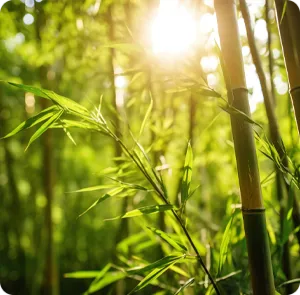
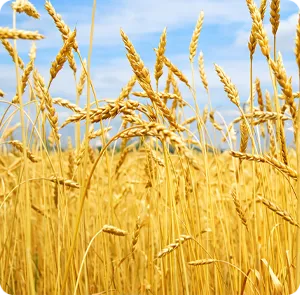
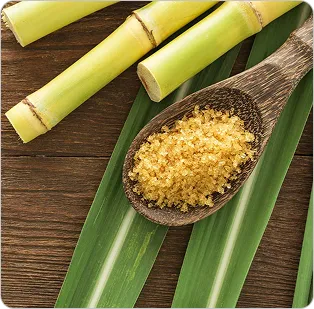
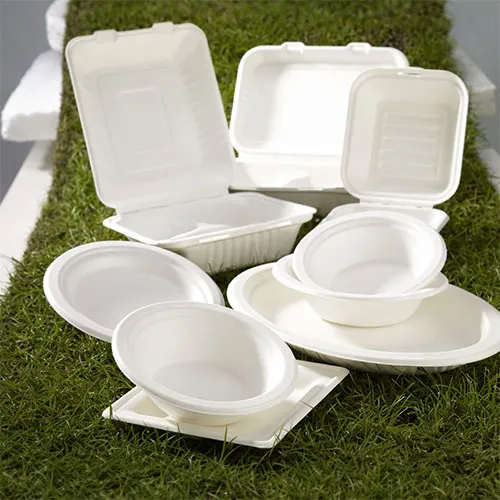
Sheeon Pulp focuses strongly on non-wood pulp, including bagasse pulp, bamboo pulp, and wheat straw pulp. These materials help turn agricultural byproducts into valuable pulp paper resources. For example, sugarcane bagasse comes from the fiber left after sugar extraction, making it a useful raw material for paper, food packaging, disposable tableware, and molded packaging.
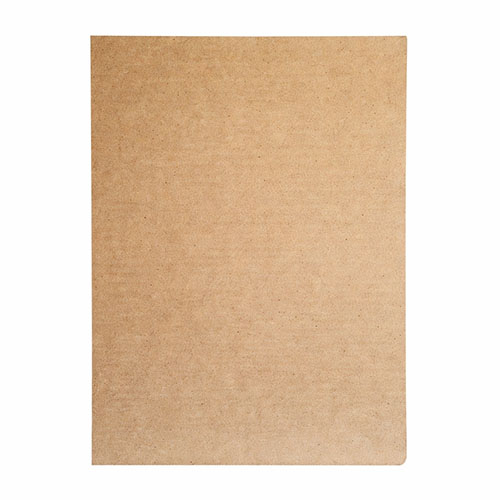
The main difference is how the fiber is separated. Chemical pulp uses pulping chemicals to break down lignin and release fibers. The kraft process is one of the most common methods. It creates strong kraft pulp and is widely used for packaging, sack paper, kraft paper, and paperboard. FAO tracks pulp and paper production capacity and recovered paper utilization because these materials remain central to global forest product and paper supply chains.
Mechanical pulp uses force to grind fiber from raw material. It keeps more of the original material, so the yield can be higher. But it may contain more lignin, which can affect brightness and aging. This is why mechanical pulp often appears in short-life paper grades, while chemical pulp often supports stronger or higher-quality paper.
There is also sulfite pulping, another chemical pulping method used in certain pulp production systems. In real purchasing decisions, buyers should not only ask about the method. They should ask about fiber length, brightness, moisture, pH, cleanliness, strength, and whether the pulp is suitable for the target paper mill equipment.
The paper industry is under pressure to reduce environmental impact, improve material efficiency, and find renewable alternatives. This is where non-wood fibers become attractive. Bagasse, bamboo, and wheat straw are not just “green” words. They are practical fiber sources for paper and packaging.
Sugarcane bagasse is a good example. It is the fibrous material left after sugarcane processing, and it is widely used in foodservice packaging as an alternative material for disposable products. Research has also shown that tableware made with sugarcane bagasse and bamboo fiber can be biodegradable, food-packaging safe, and compostable, making it a promising alternative to synthetic plastics.
At Sheeon Pulp, this is a key part of our work. We supply bagasse pulp, bamboo pulp, and wheat straw pulp for manufacturers that need sustainable paper, molded pulp products, food packaging, and custom paper products. These customers often serve Europe and other markets where environmental regulations, certification compliance, and traceable sourcing are important.
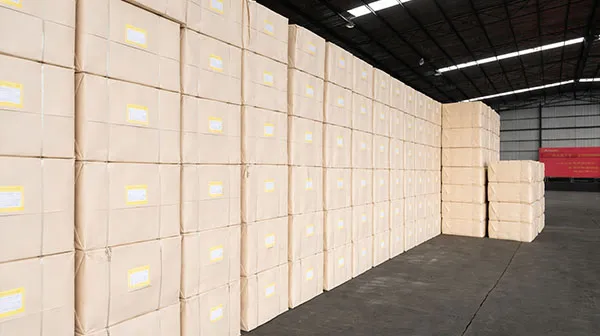
Pulp processing changes how fibers behave. Better processing can improve bonding, drainage, sheet formation, strength, and surface quality. Poor processing can cause dust, weak paper, poor printing, bad folding, or uneven paper sheets.
Important pulp quality factors include:
For example, bamboo pulp has a fine and soft fiber feel, while bagasse pulp offers good moldability for packaging materials. Wheat straw pulp can be useful for cost-effective paper production and molded products. The pulp produced must match the final paper product, whether it is writing paper, packing paper, food tray material, or paper and printing grades.
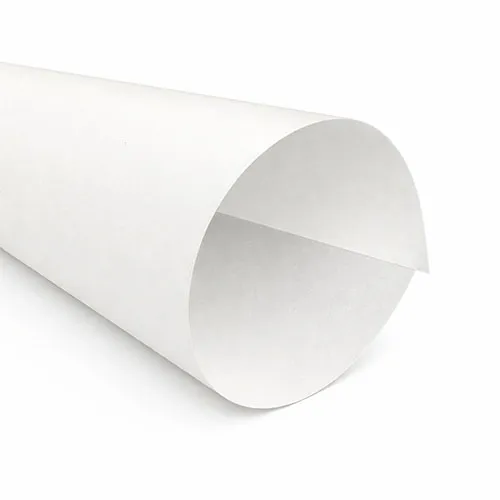
The environmental impact of pulp depends on the raw material, pulping methods, chemicals used, energy use, water use, and waste treatment. Traditional wood pulp industry systems can be efficient, but they still require careful forest management, responsible sourcing, and pollution control.
Recycled paper can reduce pressure on virgin fiber. The U.S. EPA notes that paper recycling can reduce greenhouse gas emissions, extend fiber supply, save landfill space, and reduce energy and water consumption. The EPA also advises buyers to consider recycled content, chlorine-free processing, energy use, recyclability, and safer inks when choosing greener paper.
Non-wood pulp also supports a different sustainability path. Agricultural residues such as sugarcane bagasse and wheat straw are often already available after food or crop production. When they are used to make pulp, they can reduce waste and create added value. That is why Sheeon Pulp often describes its model as “waste to value.” It supports paper and packaging buyers who need greener raw material choices without giving up industrial-scale supply.
Buying pulp is not only about price. Paper pulp price matters, but unstable quality can cost more in the long run. A low-cost pulp that causes production stops, poor sheet formation, or rejected batches is not truly cheap.
A good pulp supplier should offer:
Stable specifications
Clear product options
Application support
Export experience
Customization ability
Sheeon Pulp works as a China-based B2B supplier of eco-friendly pulp and sustainable paper materials. We support paper product manufacturers, food packaging producers, disposable tableware factories, printing and publishing buyers, pulp importers, distributors, and industrial raw material purchasers. Our goal is to help customers choose the right pulp before production problems happen.
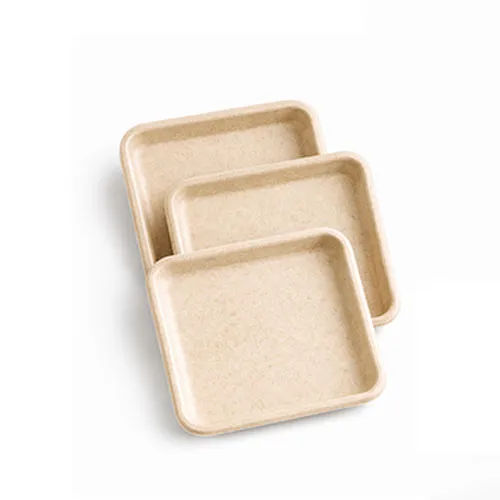
The future of pulp and paper is not only about output. It is about smarter raw material choices. According to FAO, global pulp and paper capacity surveys track production capacity, recovered paper use, and short-term forecasts, showing how important fiber planning remains for global supply.
For buyers, this means one thing: supply chain decisions matter. A packaging company cannot wait until the last minute to secure pulp. A paper and pulp importer cannot rely on unclear specifications. A brand owner cannot make sustainability claims without knowing the material source.
This is why Sheeon Pulp focuses on:
Our work connects the pulp industry with practical market demand. We do not only sell pulp. We help buyers match raw material to real production needs.
If you are planning to make pulp-based paper products, start with four questions:
Once these are clear, pulp selection becomes much easier. You can compare paper pulp, wood pulp, recycled pulp, bamboo pulp, bagasse pulp, wheat straw pulp, and specialty paper materials based on real use—not guesswork.
Paper pulp is a wet or dry fiber material used to make paper, paperboard, tissue, molded packaging, and other paper products. It can come from wood, bamboo, sugarcane bagasse, wheat straw, recycled paper, or other plant fibers.
To make paper pulp, manufacturers clean the raw material, separate the fibers through mechanical or chemical pulping methods, wash and screen the pulp, and then refine or bleach it depending on the target paper product.
Pulp is the fiber raw material. Paper is the final sheet made after pulp is formed, pressed, dried, and finished. In short, pulp is made first, and paper comes after.
Bamboo pulp is a strong sustainable option because bamboo grows quickly and provides useful fiber for tissue, paper, and packaging. Wood pulp is still widely used, especially for strength and large-scale paper production. The better choice depends on the final application.
Yes. Bagasse pulp is widely used for molded food packaging, disposable tableware, trays, bowls, and other packaging materials. It offers good moldability and supports sustainable paper product development.
Recycled pulp is made from recovered paper or waste paper. It helps extend fiber use and can reduce landfill waste, energy use, and water use compared with some virgin fiber routes, depending on the production system.
Stone paper is a paper-like material made mainly from calcium carbonate and polymer. It is waterproof, tear-resistant, oil-resistant, and suitable for durable notebooks, labels, packaging, cards, and specialty printed products.
Look for stable specifications, clear test data, application support, export experience, customization ability, and reliable communication. For B2B buyers, long-term supply stability is just as important as price.
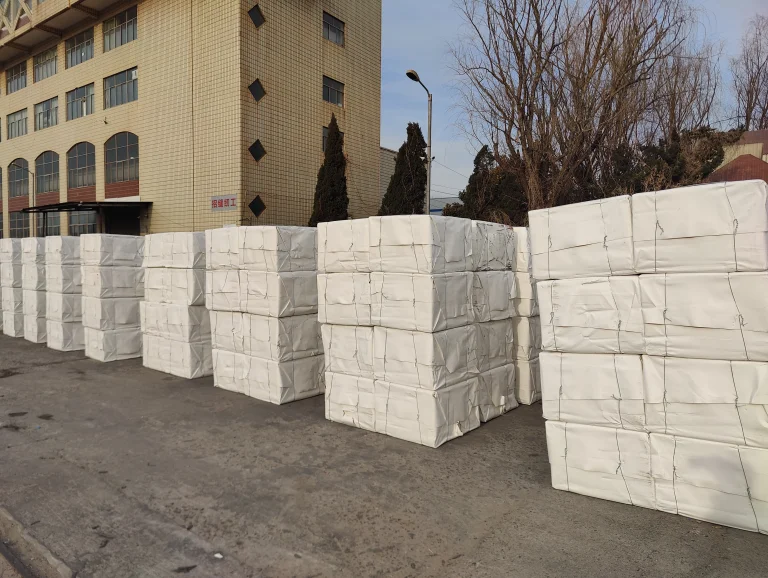
Bamboo paper is paper made wholly or partly from bamboo pulp, so buying it means choosing a pulp grade. Sheeon publishes bleached bamboo pulp at about 85% brightness with fibers longer than 1.7 mm, and unbleached at 40–43% brightness with fibers longer than 2.2 mm.
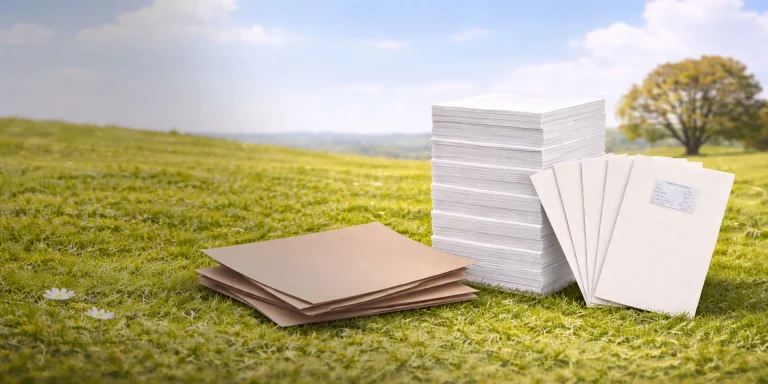
Bamboo paper is paper made wholly or partly from bamboo pulp, so buying it means choosing a pulp grade. Sheeon publishes bleached bamboo pulp at about 85% brightness with fibers longer than 1.7 mm, and unbleached at 40–43% brightness with fibers longer than 2.2 mm.