bagasse pulp
Learn More


 13:49
13:49 Sourcing white fiber is harder than it looks. Buyers want brightness, clean forming, lower environmental impact, and stable bulk supply. Yet the wrong pulp can raise costs, weaken product quality, and slow conversion. A better understanding of bleached bamboo pulp helps you buy with more confidence.
Bleached bamboo pulp is bamboo pulp that goes through pulping, washing, and a controlled bleach sequence to improve cleanliness, brightness, and end-use performance. It is used in bamboo paper, tissue paper, packaging grades, and, after extra purification, even dissolving pulp for textile and cellulose derivative uses.
If you work in sourcing, converting, or product development, this complete guide to bamboo pulp is really about one question: Which grade should I buy, and why? I will answer that from a practical B2B angle, with special attention to bleaching routes, buyer checkpoints, and how a supplier like Sheeon Pulp can support global paper and packaging projects.
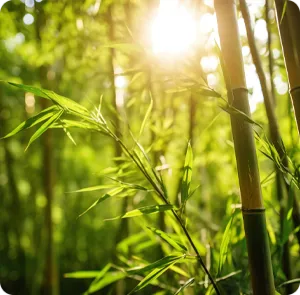
Bamboo pulp is a non-wood fiber pulp made from bamboo culms that are chipped, cooked, washed, and processed into usable fiber for paper and related products. Bamboo as a vital non-wood fibrous raw material for pulp and paper, highlighting its abundance, renewability, and strong industrial potential. FAO also notes that bamboo has long been used in pulp and paper alongside many other industrial applications.
What turns ordinary bamboo pulp into bleached bamboo is the extra cleaning and brightening stage. That bleaching process reduces residual color bodies and part of the remaining lignin, which helps create a cleaner white appearance. In everyday buyer language, that means better whiteness, a more uniform look, and a better fit for white grades such as premium paper, bamboo tissue, and food-contact style products.
From my B2B writing experience, this is where the conversation changes. Buyers are not only asking whether bamboo is green. They are asking whether bleached bamboo pulp can run smoothly in a paper factory, hold stable quality in export shipments, and support attractive finished goods. That is exactly why this guide to bamboo pulp bleaching matters.
The answer starts with supply logic. Bamboo is increasingly discussed as a strategic non-wood feedstock because it is widely available in Asia and other regions, and because it helps diversify fiber sourcing beyond pure wood pulp systems. Research also points to its rapid growth and suitability for industrial fiber uses, especially where land and forestry pressure make alternative fiber systems attractive.
There is also a sustainability angle. FAO describes bamboo as a versatile non-wood forest product used in pulp, paper, fiber, utensils, and other sectors, and notes its wider environmental benefits in land restoration and erosion control. That does not mean every bamboo product is automatically better. It means sustainable bamboo gives buyers a credible alternative when they want eco-friendly, biodegradable, and lower-wood fiber options in selected categories.
For export buyers in Europe and other compliance-driven markets, that matters a lot. Many now want fiber stories that support brand claims, cleaner material positioning, and long-term procurement stability. Sheeon Pulp fits this demand well because its business is built around non-wood pulp, sustainable paper materials, OEM/ODM flexibility, and export-oriented service for global B2B customers.
At a simple level, the process goes like this:
Bamboo chips → pretreatment → cooking/pulping → washing → screening → oxygen or chemical delignification → bleach stages → finished pulp
The purpose of bleach is not to “paint the pulp white.” It is to remove more of the compounds that darken the fiber, especially residual lignin and some related impurities. Patents listed on Google Patents show several routes for pulp bleaching of bamboo, including peroxide-based systems and chlorine-dioxide-based methods. One patented high-whiteness route uses a peroxide activator and hydrogen peroxide in a chlorine-free approach for bamboo high-yield pulp. Another patent describes chlorine dioxide bleaching of pre-extracted bamboo pulp to improve brightness at comparable chemical use.
In industrial practice, the choice of bleaching affects brightness, cost, chemical load, wastewater complexity, and sometimes fiber preservation. Some mills use peroxide systems when they want lower chlorine chemistry. Others use chlorine dioxide or related multi-stage routes because these can be efficient for delignification and brightness targets. The key point for buyers is simple: the best bleach route is not the one with the best slogan. It is the one that gives stable quality, acceptable cost, and suitable downstream performance.
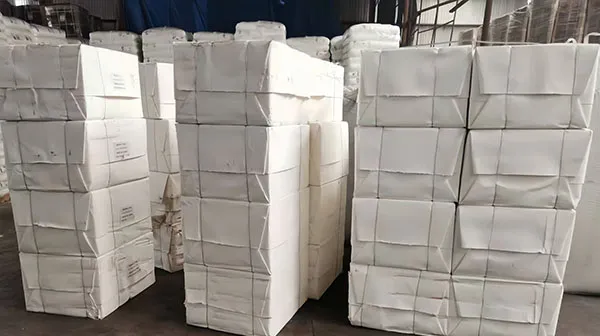
The first difference is visual. Bleached bamboo pulp is lighter and cleaner-looking. Unbleached bamboo keeps more of its natural color and usually has a more brown or cream tone. This makes bleached bamboo a better match for white grades, while unbleached fiber can work well for natural-look packaging, brown paper items, and some lower-cost products.
The second difference is application value. If you are making white tissue, hygiene paper, copy paper, or refined consumer-facing products, the market usually expects stronger brightness and visual cleanliness. If you are making rustic packaging or natural-tone products, unbleached paper or unbleached bamboo may be a more practical choice. In short, you are not choosing between good and bad. You are choosing between different commercial goals.
There is no single universal route. Common industrial approaches include alkaline cooking, oxygen delignification, peroxide stages, and chlorine-dioxide-based sequences. Some technical work also explores enzyme-assisted and lower-chemical routes to improve bleaching efficiency or reduce chemical demand. A 2023 study on xylanase-assisted treatment reported that enzyme treatment can reduce chlorine dioxide and sodium hydroxide loads while improving brightness stability in bleached pulps.
For bamboo specifically, bamboo pulp bleaching methods discussed in patents and research include peroxide activation, high-concentration peroxide bleaching, chlorine-dioxide bleaching after pre-extraction, and upgrades from paper-grade bleached pulp toward higher-purity dissolving grades. These methods differ in amount of chemical, final brightness, cleanliness, and likely wastewater treatment burden.
A practical note for buyers: the “best” route is often a balance between low energy consumption, acceptable chemical cost, and fiber preservation. Some routes may deliver strong brightness but create high energy consumption or harsher downstream treatment needs. Others may lower chemical pressure but require tighter process control. Good mills know how to refine that balance, not just advertise it.
Yes. That is one of its most visible commercial uses. Bamboo pulp is used in tissue paper, bathroom tissue, napkins, facial tissue, and writing-printing grades where brightness and cleanliness matter. Because it is a plant-based fiber, bamboo paper also supports consumer-facing sustainability messaging when the rest of the product system backs it up.
That is why search terms like bamboo toilet paper, bleached bamboo toilet paper, bamboo facial tissue, bamboo tissue, and bleached paper keep showing strong commercial intent. Buyers are not just looking for a fiber. They are looking for a fiber that can be turned into saleable finished goods with stable softness, strength, and visual appeal.
For converters, a few checks matter most:
Even a 0.5 point shift in brightness or a small jump in dirt count can change how premium white products look on shelf. On high-visibility consumer SKUs, those details matter.
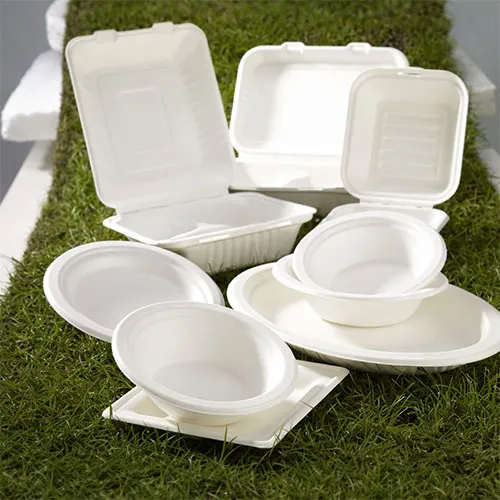
Because pulp is not only a fiber. It is a supply chain decision. International buyers need stable pulp production, reliable packing, consistent quality, and a partner who understands customs, certification workflows, and long-lead procurement. In many cases, the problem is not finding a pulp seller. It is finding a partner who can ship the same performance grade month after month.
That is where Sheeon Pulp has a strong story. As a China-based B2B company focused on eco-friendly pulp and sustainable paper materials, it serves packaging makers, paper industries, converters, importers, and brand owners who need more than low price. They need clean spec control, application guidance, OEM/ODM flexibility, and dependable export service.
From a positioning point of view, Sheeon Pulp fits what modern B2B buyers want: non-wood fiber expertise, stable supply, application-driven support, and international service. Its focus on sustainable paper materials aligns well with customers making tissue, packaging, specialty paper, and private-label projects that need a dependable pulp source.
More importantly, the company’s business direction is not limited to one SKU. It centers on paper pulp, non-wood pulp, customized paper-material solutions, and long-term export relationships. That gives buyers room to scale from one project into a wider fiber program. Whether the need is bamboo pulp board, bamboo kraft paper, hygiene paper, or specialty cellulose-related development, the discussion can start from application needs instead of generic catalog claims.
No. Bleached bamboo pulp is a broad paper-grade or application-grade category, while dissolving pulp is a much higher-purity cellulose grade with lower hemicellulose and lignin, used for cellulose derivatives and regenerated cellulose such as viscose.
Not automatically. Unbleached grades usually need less brightening chemistry, but sustainability also depends on process design, energy use, wastewater treatment, logistics, and product fit. The better choice is the one that meets your market with the lowest practical total impact.
Yes. It is commonly used in tissue-style applications where brightness, cleanliness, and a white finish are important. The exact suitability depends on softness targets, converting process, and product design.
Industrial and patented routes include peroxide systems, oxygen-based delignification, chlorine-dioxide-based stages, and other multi-step processes. Different routes aim to balance brightness, cost, and fiber preservation.
Because too much hemicellulose can hurt dissolution and downstream conversion quality. That is why many upgrading routes focus on additional removal of hemicellulose when turning bamboo paper pulp into dissolving-grade material.
Compare brightness stability, cleanliness, packing, technical support, application fit, and export reliability. Ask for samples, target specs, and realistic lead times. A strong supplier should help you buy the right grade, not just any grade.
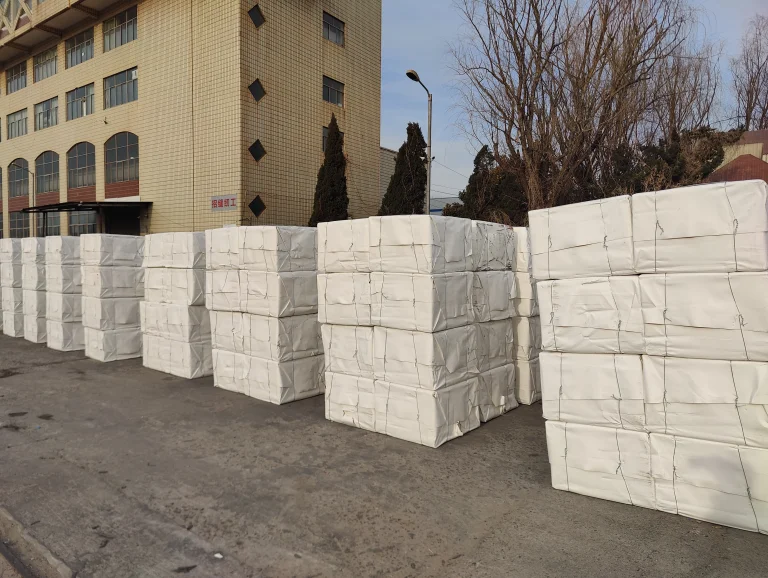
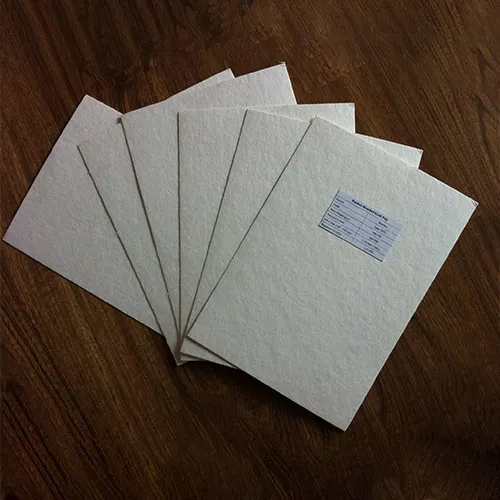
Bamboo paper is paper made wholly or partly from bamboo pulp, so buying it means choosing a pulp grade. Sheeon publishes bleached bamboo pulp at about 85% brightness with fibers longer than 1.7 mm, and unbleached at 40–43% brightness with fibers longer than 2.2 mm.
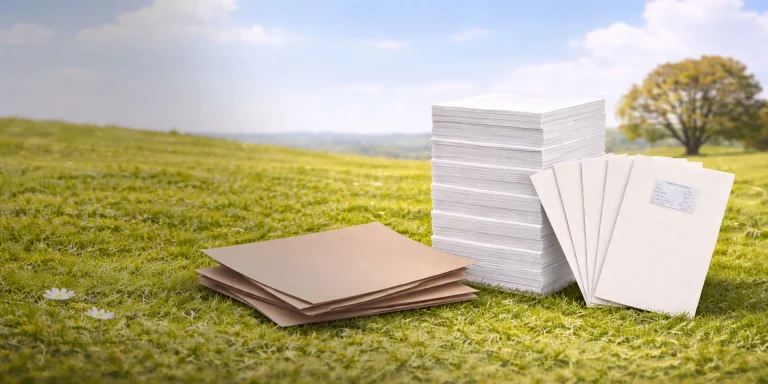
Bamboo paper is paper made wholly or partly from bamboo pulp, so buying it means choosing a pulp grade. Sheeon publishes bleached bamboo pulp at about 85% brightness with fibers longer than 1.7 mm, and unbleached at 40–43% brightness with fibers longer than 2.2 mm.