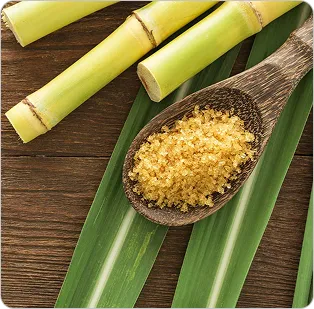
bagasse pulp
Learn More


 09:08
09:08 As global brands and packaging manufacturers search for more sustainable paper products, unbleached bagasse pulp is becoming a practical raw material for food packaging, paper molds, and disposable tableware. Sheeon’s unbleached bagasse pulp is made from sugarcane bagasse, helping convert agricultural waste into usable paper pulp for modern packaging applications.
Sugarcane bagasse is the fibrous residue left after sugarcane juice extraction. Instead of treating this agricultural byproduct as waste, it can be processed into bagasse pulp for paper making and molded fiber production.
Sheeon’s unbleached bagasse pulp keeps a more natural fiber appearance compared with high-whiteness bleached pulp. This makes it suitable for brands that want natural-looking, eco-friendly paper products while maintaining practical performance for packaging and tableware manufacturing.
For paper manufacturers and packaging factories, this material offers a renewable alternative to traditional wood-based raw materials. It can be used in applications such as packaging paper, food-grade packaging paper, paper molds, disposable tableware, and related food-contact packaging solutions.
The paper manufacturing industry is under growing pressure to reduce dependence on forest resources and improve the environmental profile of packaging materials. Bagasse pulp provides a strong answer to this shift because it uses sugarcane waste as a renewable fiber source.
For manufacturers of paper plates, paper cups, paper bags, molded trays, and food packaging containers, choosing the right raw material for paper is no longer only about cost. Buyers also consider sustainability, food-contact suitability, moldability, and supply stability.
Unbleached bagasse pulp fits this demand because it supports:
This is especially important for European and international buyers who are looking for more responsible materials for the pulp and paper industry.
Unbleached bagasse pulp can be used across multiple sustainable paper products. Its natural fiber character and moldability make it suitable for manufacturers producing:
For factories asking “what is the best raw material for paper plate production?” or “which paper pulp is suitable for food packaging?”, unbleached sugarcane pulp is a strong option when natural appearance and sustainability are both required.
Sheeon highlights bagasse pulp as a waste-to-value material. By using sugarcane bagasse, the company helps reduce agricultural waste while providing usable fiber for the paper and pulp industry. The sustainability page also emphasizes circular economy practices, agricultural waste recycling, and tree-free pulp production.
This approach is aligned with the growing demand for sustainable paper companies and packaging suppliers that can support carbon reduction and responsible sourcing.
For international buyers, this creates a more attractive supply chain story: packaging is not only functional, but also connected to renewable agricultural resources and reduced material waste.
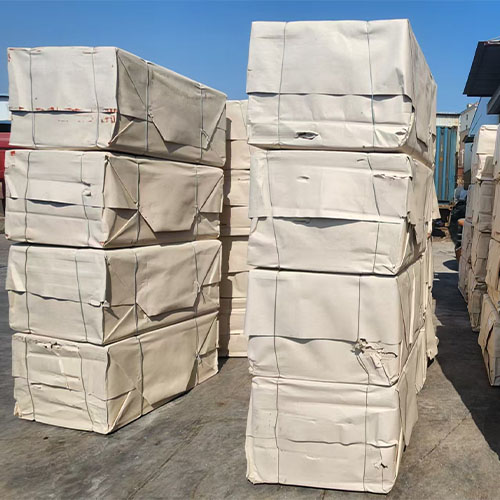
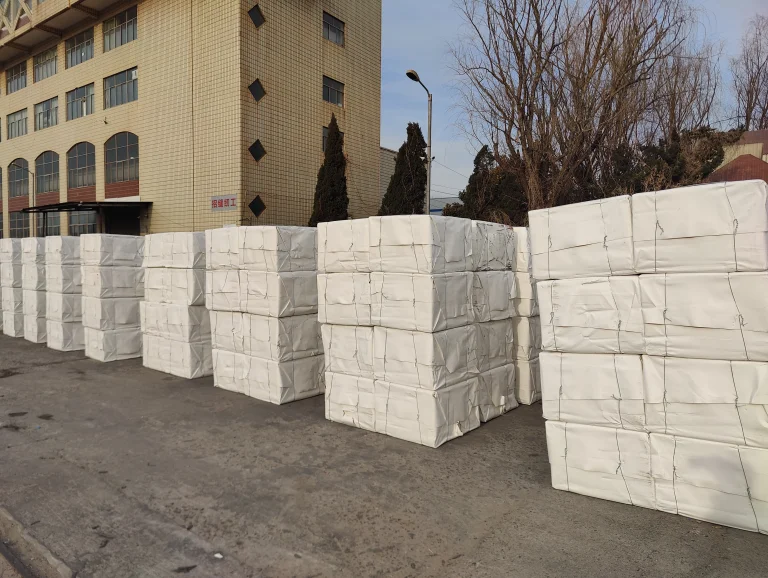
Sheeon’s unbleached bagasse pulp page states that OEM/ODM orders and custom package support are available. This is important for distributors, paper product manufacturers, packaging brands, and private-label customers who need flexible supply solutions.
Depending on project requirements, buyers may need customized packaging, bale handling, technical consultation, or material recommendations for specific applications such as food trays, tableware, packaging paper, or molded pulp products.
With Sheeon’s broader product portfolio, buyers can also compare unbleached bagasse pulp with bleached bagasse pulp, bamboo pulp, wheat straw pulp, Bible paper, and stone paper to select the right material for different market needs.
For companies in the paper industry, pulp industry, and packaging manufacturing sector, unbleached bagasse pulp is more than an eco-friendly concept. It is a practical industrial material for brands that want to produce sustainable paper products at scale.
Sheeon positions itself as an eco-friendly pulp manufacturer in China, supplying bagasse pulp, bamboo pulp, and wheat straw pulp to global markets. The company’s website states that it serves more than 50 countries and focuses on sustainable, cost-effective pulp solutions for international clients.
As demand for sustainable packaging continues to grow, unbleached bagasse pulp offers paper manufacturers a renewable, natural-looking, and application-ready material for the next generation of packaging products.
Unbleached bagasse pulp is paper pulp made from sugarcane bagasse without high-whiteness bleaching. It keeps a more natural fiber color and is commonly used for packaging paper, molded fiber products, and disposable tableware.
Sugarcane bagasse can be processed into bagasse pulp, which is used as a raw material for paper making, bagasse paper, food packaging paper, paper molds, and eco friendly paper products.
Yes. Sheeon’s product page states that its bagasse pulp is suitable for food-grade packaging paper, disposable tableware, and food-related applications.
Bleached bagasse pulp is usually selected for high-whiteness applications, while unbleached bagasse pulp is preferred when buyers want a more natural material appearance.
It is suitable for paper mills, molded fiber factories, disposable tableware manufacturers, food packaging producers, paper bag manufacturers, distributors, and brands looking for sustainable paper products.
Bamboo paper is paper made wholly or partly from bamboo pulp, so buying it means choosing a pulp grade. Sheeon publishes bleached bamboo pulp at about 85% brightness with fibers longer than 1.7 mm, and unbleached at 40–43% brightness with fibers longer than 2.2 mm.
Bamboo paper is paper made wholly or partly from bamboo pulp, so buying it means choosing a pulp grade. Sheeon publishes bleached bamboo pulp at about 85% brightness with fibers longer than 1.7 mm, and unbleached at 40–43% brightness with fibers longer than 2.2 mm.