bagasse pulp
Learn More


 13:35
13:35 Thin paper can look simple, but poor paper ruins reading, printing, and binding. In a bible, weak sheets may tear, curl, or show too much text from the other side. The solution is choosing the right bible paper from the start.
Bible paper is a thin, lightweight, high-opacity book paper used for printing bibles, dictionaries, reference books, and compact publications with many pages. It helps publishers reduce bulk while keeping text readable. Good paper balances opacity, strength, smoothness, printability, and long-term page stability.
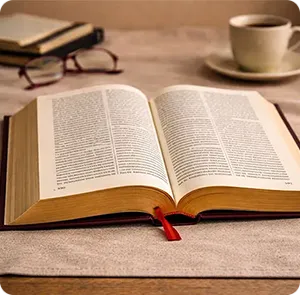
Bible paper is a special type of paper designed for books with a large number of pages but limited thickness. It is often used for a bible book, dictionary, hymn book, legal reference, pocket guide, and other compact printed works. Many buyers also call it india paper, especially in traditional publishing.
Unlike normal book paper, this material must stay thin while still giving enough opacity. That means readers should not clearly see the words printed on the back side of the sheet. In simple terms, the paper must feel light, but it cannot look weak.
For Sheeon Pulp, this product belongs to a wider family of sustainable paper materials. As a China-based B2B supplier, Sheeon focuses on eco-friendly pulp, non-wood pulp, specialty paper, and customized paper solutions for global customers, including printing and publishing buyers.
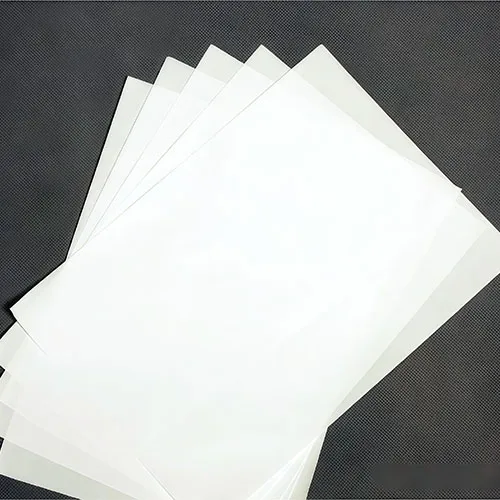
A printed bible can contain hundreds or even thousands of pages. If a publisher used normal thick paper, the final book would become heavy, bulky, and hard to carry. That is why bible paper is useful. It allows more text in a thinner book.
For bible printing, the paper must support small text, double-sided printing, page turning, and long reading time. The reader may use the book at home, in church, in study groups, or during travel. The paper needs to be thin, but also practical.
This is why pages per inch, also called ppi, matters. A higher ppi means more sheets can fit into each inch of paper. For publishers, this can reduce book thickness and shipping weight while keeping the full content of the holy bible inside one manageable volume.
High-quality bible paper is not only thin. It is engineered. The sheet must have controlled gsm, smooth texture, good formation, and enough strength for printing, folding, trimming, binding, and daily reading.
One important factor is pulp and fibers. The choice of pulp affects strength, softness, brightness, and print results. In modern paper production, suppliers may also adjust fillers, fiber mix, surface treatment, and finishing to meet specific publishing requirements.
For long-term book use, buyers often ask about acid-free paper. Acid can contribute to paper aging and brittleness over time. The Library of Congress notes that paper can form acids as it ages, and good storage conditions can help quality paper last a long time.
A good supplier should help buyers choose paper based on:
Opacity is one of the most important properties in this category. It describes how well a sheet blocks light and prevents text from the other side from showing through. In printing, higher opacity can improve reading comfort, especially in double-sided pages.
In a bible, low opacity creates show-through. The reader may see shadows from the back side of the page, which makes small text harder to read. This is a major problem for long reading, study, and worship use.
To improve brightness and opacity, papermakers may use fiber design, fillers, and pigments. Titanium dioxide is a widely used white pigment because of its high refractive index. It is used in many industries, including paper, to improve whiteness and opacity.
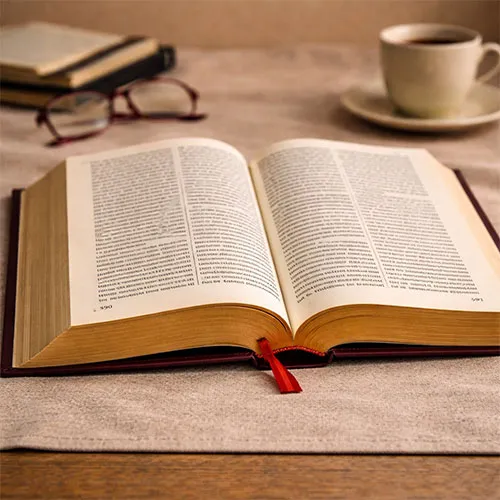
There are different types of bible paper, and each one fits a different publishing goal. Some editions need very thin white sheets. Others need warm cream color for softer reading. Some need stronger paper for study editions, while others need lightweight sheets for compact travel editions.
Common options include:
For example, a kjv edition may use a classic cream tone, while a csb notetaking bible may need stronger paper with slightly more writing tolerance. A catholic bible may need careful page count planning because of content length.
The final choice depends on the publisher’s format. A compact edition, an expanded reference edition, or a premium gift edition will not use the same paper design.
Many online searchers compare this paper with other materials, such as vellum paper, translucent vellum paper, craft paper, and printer paper. These products serve different jobs.
Vellum paper and translucent vellum are often used for overlays, invitation designs, invitations belly bands, art inserts, and decorative pages. They are not normally the main sheet for printing a full bible because they are too translucent for dense two-sided text.
Craft paper and pattern paper are more common in packaging, handmade cards, junk journal supplies, and creative projects. They may be useful for a christian junk journal, but they are not suitable for high-volume scripture printing.
Normal printer paper is easy to buy, but it is usually too thick for a large bible. If a publisher printed a full edition on normal office paper, the book would become too heavy.
A publisher should first define the final product. Is it a compact travel bible? A study edition? A gift edition? A church distribution edition? Each answer changes the required paper.
For compact editions, low gsm and high opacity are important. For study editions, the paper may need better strength for notetaking, underlining, or light marking. For premium editions, color tone, smoothness, and page feel matter more.
For B2B buyers, the main question is not “Can this paper be thin?” The better question is: “Can this supplier deliver stable quality at scale?”
Before ordering, buyers should check:
Environmental compliance also matters. The Forest Stewardship Council says FSC certification helps connect businesses with a global standard for responsible forest management and supply-chain credibility. FSC 100% means all materials come from responsibly managed FSC-certified forests, while FSC Mix can include certified forests, recycled materials, and/or controlled wood.
For buyers who care about sourcing claims, terms such as forest stewardship council and materials from well-managed forests are not just labels. They can affect market trust, especially in Europe.
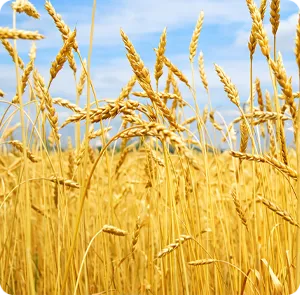
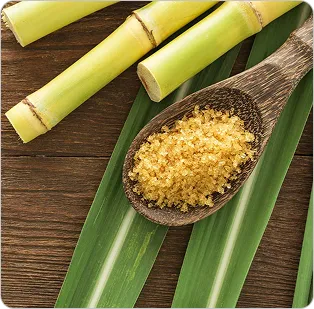
At the same time, Sheeon’s broader product family includes bagasse pulp, bamboo pulp, wheat straw pulp, Bible paper, and stone paper. This gives buyers more choices when they need sustainable raw materials, eco-friendly paper products, or custom paper products for different markets.
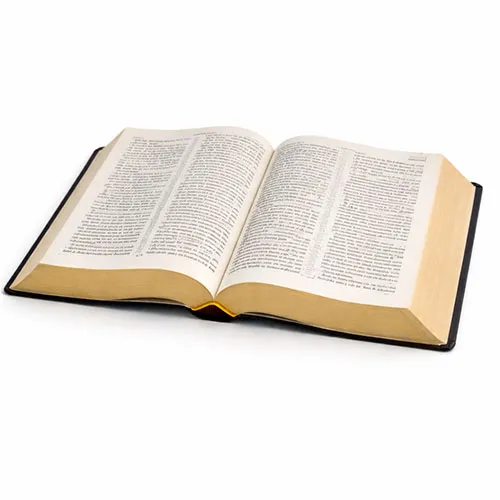
Imagine a European publishing buyer planning a compact holy bible. The book must include full scripture content, cross references, maps, and a daily reading plan. The buyer wants the book to feel light, but the text must remain clear.
At first, the buyer considers normal lightweight paper. It looks affordable. But during proofing, the page has too much show-through, the small text feels crowded, and the final spine becomes too thick.
A better choice is customized bible paper with:
This improves the reading experience and reduces production risk. It also helps the publisher create a more professional final product.
A specialized supplier understands more than sheet size. It understands printing, binding, export, and buyer expectations. This is especially important when the project involves thin paper, small fonts, and strict page-count control.
Sheeon Pulp can support international buyers with specification customization, OEM/ODM service, stable supply, and global export experience. For paper product manufacturers, printing houses, publishers, distributors, and raw material importers, this reduces communication cost and project risk.
Buyers may request customized:
This is useful for printing projects where the final bible pages must look consistent across large batches.
It is usually made from carefully selected pulp fibers, fillers, and papermaking additives. The exact formula depends on the required gsm, opacity, smoothness, strength, and color tone.
The terms are often related. India paper is a traditional name for very thin, opaque paper used in bibles, dictionaries, and compact reference books. Many buyers use both terms when sourcing.
A bible has many pages. Thin paper helps reduce book thickness and weight while keeping the full text in one volume.
Some editions support light note taking, but very thin sheets are not the same as thick notebook paper. For heavy writing, buyers may need a stronger paper or a special notetaking edition.
It is thin, but it should not be too transparent. The goal is controlled transparency of the page with enough opacity for comfortable reading.
The best choice depends on the edition. A compact bible needs thin, high-opacity paper. A study edition may need stronger sheets. A premium edition may need better shade, surface feel, and long-term stability.
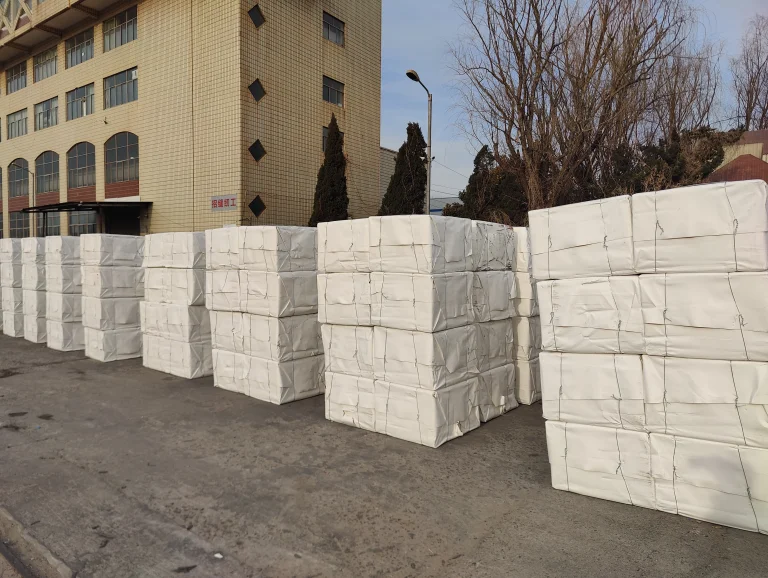
Bamboo paper is paper made wholly or partly from bamboo pulp, so buying it means choosing a pulp grade. Sheeon publishes bleached bamboo pulp at about 85% brightness with fibers longer than 1.7 mm, and unbleached at 40–43% brightness with fibers longer than 2.2 mm.
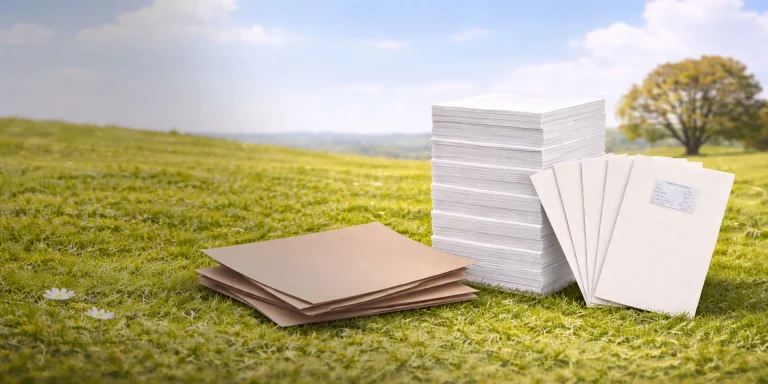
Bamboo paper is paper made wholly or partly from bamboo pulp, so buying it means choosing a pulp grade. Sheeon publishes bleached bamboo pulp at about 85% brightness with fibers longer than 1.7 mm, and unbleached at 40–43% brightness with fibers longer than 2.2 mm.