bagasse pulp
Learn More


 13:35
13:35 Paper buyers face a clear problem: traditional fiber supply is under pressure, and many customers now ask for greener paper products. If your business still depends only on wood pulp, you may miss new demand. Bamboo pulp offers a practical, renewable, and market-friendly solution.
Bamboo pulp is paper pulp made from bamboo through cutting, chipping, pulp cooking, washing, screening, and drying. It can be used for tissue paper, facial tissue, toilet paper, printing paper, writing paper, and other paper products. Compared with wood pulp, bamboo pulp gives paper mills and brands a non-wood pulp option with strong sustainability value.
Bamboo pulp is a kind of paper pulp made from bamboo. In simple words, pulp is the soft fiber material used to make paper. When the pulp made from bamboo goes through paper making, it can become tissue paper, bamboo paper, printing paper, writing paper, offset paper, wrapping paper, or other paper products. For buyers, bamboo pulp is not just another raw material. It is a practical fiber choice for companies that want to reduce dependence on wood pulp.
In the paper pulp industry, bamboo pulp is part of the wider non-wood pulp family. It is different from straw pulp, waste paper pulp, and traditional wood pulp. Bamboo contains useful cellulose fiber, and this fiber can be processed into pulp for many paper grades. FAO has noted that bamboo has become popular as a substitute for wood in products such as pulp, paper, board, and charcoal.
For Sheeon Pulp, bamboo pulp fits a clear B2B purpose: helping paper mills, food packaging producers, tissue paper manufacturers, eco-friendly material brands, and distributors find a stable, sustainable fiber source. The goal is simple. We help buyers choose the right pulp for real production needs, not just for a green label.
Bamboo is widely valued because it grows fast and can renew from its root system. Many kinds of bamboo can be harvested much faster than trees used for traditional wood pulp. Research from the U.S. Forest Service also describes fast-growing biomass such as bamboo as having potential value for the pulp and paper industry, especially for improving sustainability and resource efficiency.
This is why sustainable bamboo is attractive to the paper industry. A bamboo forest can support repeated harvesting when managed well. Bamboo plantations can also support local raw material supply chains. For countries with strong bamboo resources, bamboo pulp production can turn natural bamboo and fresh bamboo into higher-value industrial material.
Bamboo is not magic. It still needs responsible harvesting, clean pulp cooking, controlled production, and proper logistics. But when bamboo cutting, bamboo chips preparation, and bamboo pulp making are managed well, bamboo becomes a strong material for paper pulp making. This is one reason buyers now pay more attention to bamboo for paper.
Wood pulp has long been the main material of paper. It is widely used, easy to standardize, and supported by mature paper pulp mills around the world. Wood pulp can include hardwood pulp and softwood pulp. Hardwood pulp is often used for smoothness and formation, while softwood pulp and hardwood blends can improve strength.
Bamboo pulp is different. Bamboo is a grass, not a tree, but bamboo fiber can still be used to make paper. In some paper applications, bamboo fiber is long enough to help improve strength. The properties of bamboo pulp often sit between wood pulp and grass pulp. This gives paper mills more flexibility when they want a non-wood pulp option.
The key is not to ask, “Is bamboo pulp always better than wood pulp?” A better question is, “Which pulp fits the product?” Bamboo pulp and wood pulp can both work well. Some producers use bamboo and wood pulp together. Others choose bamboo pulp and wood pulp blends to balance strength, softness, cost, and machine performance.

Yes, bamboo pulp can be very suitable for tissue paper, facial tissue, and toilet paper when it is processed correctly. Tissue paper manufacturers often care about softness, absorbency, cleanliness, strength, and stable machine running. Bamboo pulp can support these needs, especially when refining and paper production settings are adjusted for the target paper grade.
Bamboo toilet paper has become popular because it combines daily use with a green fiber story. Buyers can also use bamboo tissue paper and facial tissue to serve customers who care about plastic reduction, forest protection, and cleaner raw material sourcing. For brands, bamboo pulp can help create a stronger sustainability message.
Still, not all bamboo pulp is the same. A paper mill should test samples before bulk purchasing. The final tissue paper quality depends on pulp quality, refining, sheet forming, drying, creping, and converting. A strong supplier should help tissue paper manufacturers choose the right grade of pulp instead of only selling a standard product.
The properties of bamboo include strength, flexibility, and useful fiber structure. Bamboo contains cellulose that can be processed into pulp. When bamboo pulp is made well, it can support good paper strength, smoothness, absorbency, and formation. These properties matter in tissue paper, printing paper, writing paper, cultural paper, offset paper, typing paper, and bamboo kraft.
Bamboo fiber can help give paper a balanced feel. In hygiene paper, buyers often look for softness and absorbency. In offset printing paper and writing paper, they care more about smoothness, opacity, and sheet stability. In wrapping paper and kraft paper, strength may matter more. This is why bamboo pulp should be chosen by application, not only by price.
A buyer may ask whether bamboo pulp cost is lower than wood pulp. Sometimes it can be lower than wood pulp in certain local supply conditions, but this is not always true. The final price depends on bamboo resources, pulp mill efficiency, energy cost, chemicals, logistics, and market demand. For serious buyers, long-term supply stability is often more important than a small price difference.
The pulp and paper industry is under pressure to reduce environmental impact, improve fiber efficiency, and use more renewable resources. Bamboo pulp can support this green transition because it gives paper mills another fiber source beyond traditional wood pulp. Research has also described bamboo as a fast-growing and high-yield renewable resource with broad industrial potential.
For importers, distributors, and paper mills, bamboo pulp is useful because it supports product differentiation. Many buyers now want sustainable paper products, but they also need stable quality and reliable bulk supply. Bamboo pulp meets this need when the supplier can provide consistent specifications, technical support, and export-ready documents.
This is where Sheeon Pulp’s role becomes important. We are not simply selling pulp bamboo material. We help buyers match the right pulp grade with the right application. For B2B procurement, this saves time, reduces trial risk, and supports long-term cooperation.
Bamboo pulp, recycled paper, straw pulp, and wood pulp all have value. Recycled paper helps reduce waste paper and supports circular use. However, paper fibers cannot be recycled forever. The U.S. EPA explains that each recycling cycle shortens fibers, and after five to seven recycling cycles, fibers become too short to bond into new paper.
Straw pulp is another non-wood pulp. It can use agricultural waste and support low-carbon material sourcing. However, straw pulp may require special handling because of ash content, drainage, and production consistency. Bamboo pulp often offers a stronger balance between renewable sourcing and paper performance.
The best strategy is not always to choose only one kind of paper pulp. Many paper mills use a mix. A mill may use bamboo pulp for strength and sustainability, recycled paper for circular economy value, and wood pulp for stable formation. This gives the buyer more control over cost, performance, and environmental positioning.
Paper mills should choose bamboo pulp based on end use. If the goal is facial tissue, softness and cleanliness matter. If the goal is toilet paper, strength and dispersibility may matter. If the goal is writing paper or offset printing paper, smoothness and formation are important. If the goal is wrapping paper, tensile strength and converting performance should be tested.
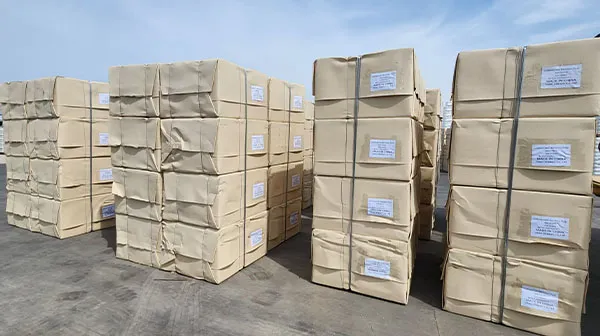
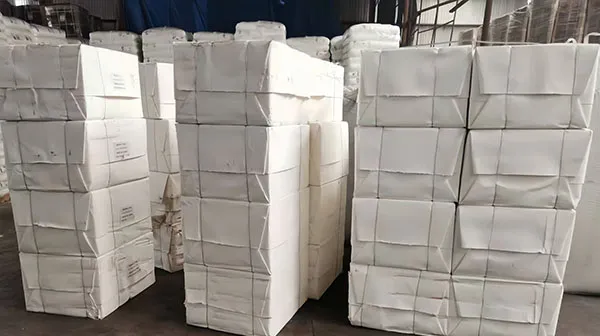
Buyers should also check technical details. Important points include whiteness, moisture, fiber length, dirt count, packaging, bale weight, loading quantity, and whether the pulp works well with the buyer’s machine. If the buyer uses equipment from a paper pulper machine manufacturer, sample testing should confirm whether the pulp disperses and refines smoothly.
For long-term purchasing, supplier capability is key. Good bamboo pulp mills should offer stable bamboo pulp raw material control, clear quality documents, customization options, and export support. Sheeon Pulp works with overseas buyers that need stable non-wood pulp, OEM/ODM customization, and reliable logistics for international paper production.
A European tissue paper buyer wants to launch a softer, greener product line. The company already uses wood pulp, but its customers now ask for sustainable bamboo products and lower forest dependence. The buyer needs pulp that can run on existing machines without major changes.
In this case, Sheeon Pulp would first ask about the buyer’s paper grade, machine speed, target softness, brightness, tensile strength, and packaging requirements. Then we would suggest sample testing with bamboo pulp, or a bamboo pulp and wood pulp blend. This lowers risk and helps the buyer find the right formula before placing a larger order.
The result is more than a new product. It gives the buyer a stronger market story: renewable bamboo, stable paper pulp supply, and a cleaner material choice for tissue paper and facial tissue.
Bamboo pulp is pulp made from bamboo fiber. It is used as a material for paper pulp making and can be processed into tissue paper, toilet paper, facial tissue, printing paper, writing paper, and other paper products.
The process usually includes bamboo cutting, making bamboo chips, pulp cooking, washing, screening, bleaching or unbleached treatment, drying, and baling. The final quality depends on fiber control, cooking conditions, and pulp mill quality management.
Bamboo pulp is not always better than wood pulp, but it is a strong alternative. It offers renewable fiber value and good paper-making performance. Many mills use bamboo and wood pulp together to balance softness, strength, cost, and production stability.
Bamboo paper can be used for bamboo toilet paper, bamboo tissue paper, facial tissue, writing paper, printing paper, cultural paper, offset paper, wrapping paper, and specialty paper. The best use depends on the pulp grade and paper mill process.
Bamboo pulp can be eco-friendly when bamboo resources are responsibly managed and the pulp production process is well controlled. Bamboo grows quickly and can support renewable fiber supply, but real sustainability also depends on manufacturing, chemicals, logistics, and waste treatment.
Yes. Bamboo pulp can be blended with recycled paper pulp, wood pulp, straw pulp, or other fibers. Blending helps paper mills balance strength, cost, sustainability, and machine performance.
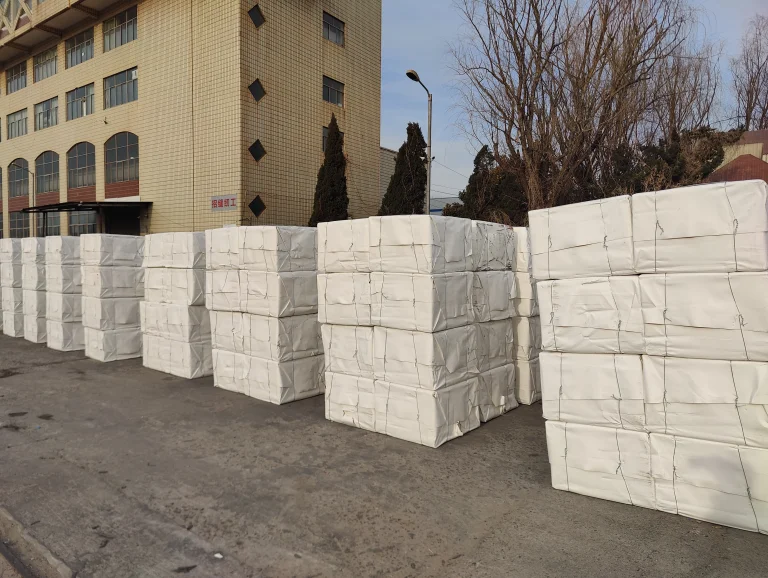
Bamboo paper is paper made wholly or partly from bamboo pulp, so buying it means choosing a pulp grade. Sheeon publishes bleached bamboo pulp at about 85% brightness with fibers longer than 1.7 mm, and unbleached at 40–43% brightness with fibers longer than 2.2 mm.

Bamboo paper is paper made wholly or partly from bamboo pulp, so buying it means choosing a pulp grade. Sheeon publishes bleached bamboo pulp at about 85% brightness with fibers longer than 1.7 mm, and unbleached at 40–43% brightness with fibers longer than 2.2 mm.