bagasse pulp
Learn More


 11:33
11:33 Many paper buyers want a cleaner, greener raw material, but poor pulp choice can cause weak paper, unstable color, and production waste. That risk grows when suppliers only talk about price. Bleached bamboo pulp gives buyers a practical balance of brightness, fiber performance, and sustainability.
Bleached bamboo pulp is paper pulp made from bamboo and treated through a bleach or bleaching process to improve brightness, cleanliness, and appearance. It is widely used for tissue paper, bamboo toilet paper, facial tissue, bamboo paper, copy paper, printing paper, and other paper products where white color and stable pulp quality matter.
Bleached bamboo pulp is a fiber pulp made from bamboo through pulp processing and then treated with bleach to improve whiteness. In simple words, bamboo is turned into pulp, and the pulp bleached stage makes it suitable for white or light-colored paper products. Before any fibrous raw material such as wood, straw, or bamboo can be used for paper manufacturing, it must first be converted into pulp by separating the fibers. FAO describes this fiber-disintegration step as essential for paper production from different fibrous materials.
For buyers, the key value is not only “white color.” Bleached bamboo pulp can support smoother bamboo paper, clean tissue paper, bamboo facial tissue, bamboo toilet paper, copy paper, typing paper, filter paper, and printing paper. It gives a paper factory a renewable pulp raw material option when the final product needs a clean appearance and stable fiber performance.
In B2B sourcing, bleached bamboo pulp is often compared with unbleached bamboo pulp, wood pulp, bleached hardwood pulp, and bleached kraft pulp. Each pulp has a different role. The right choice depends on the paper product, machine conditions, target brightness, strength demand, and customer market.
Bamboo pulp is important because it gives the paper industry another raw material beyond traditional wood pulp. A recent review on bamboo in pulp, paper, and allied industries describes bamboo as a vital non-wood fibrous raw material with potential to help address raw material demand and support sustainable development.
The use of bamboo is also attractive because bamboo grows quickly and can be managed as a renewable resource. When bamboo fiber is processed well, it can provide strength, bulk, and useful paper-making behavior. Industry discussions on bamboo pulp for tissue making also highlight bamboo as a strong non-wood fiber candidate for replacing or reducing hard and soft wood pulp in selected applications.
For Sheeon Pulp, this is where the commercial value becomes clear. Many overseas buyers want eco-friendly pulp, but they also need stable supply, export documents, technical support, and product consistency. Bamboo pulp can meet sustainability goals only when the supplier understands both fiber quality and real factory needs.
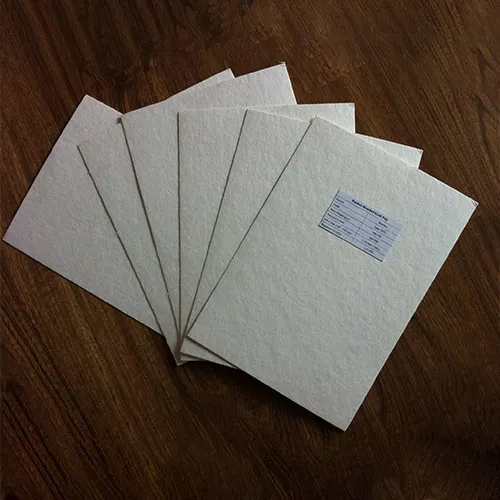
The bleaching process improves the color and cleanliness of bamboo pulp. It helps remove or reduce remaining color bodies from the pulp so the final bamboo paper looks brighter and more uniform. In many paper products, especially tissue paper and bamboo toilet paper, customers expect a clean white or soft white appearance.
Bleach treatment can use different systems. Some research on bamboo kraft pulp discusses elemental chlorine-free, or ECF, bleaching methods after kraft pulping. Another study on bamboo kraft-AQ pulp notes that chlorine-based bleaching processes have created environmental concerns in the paper industry and evaluates totally chlorine-free, or TCF, sequences.
For buyers, this means one thing: do not only ask whether the pulp is “bleached.” Ask how it is bleached. The choice of solvent, chemicals, washing, and environmental control affects pulp quality, safety, and environmental impact. A responsible supplier should explain the bleaching process clearly and match the pulp to the paper product.
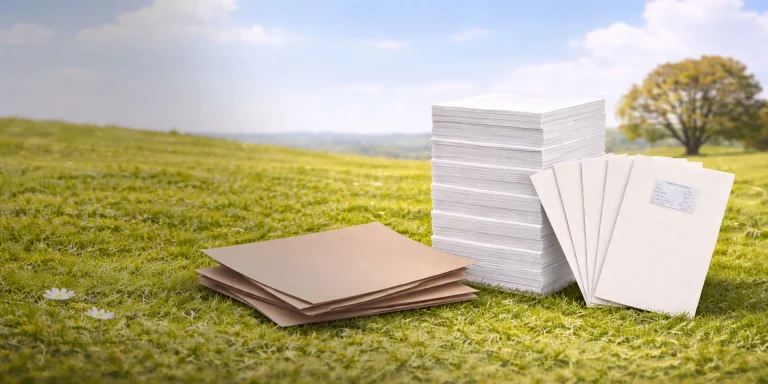
Bleached bamboo pulp and unbleached bamboo pulp are both useful. One is not always better than the other. Bleached bamboo pulp is usually better for white tissue paper, bamboo facial tissue, bamboo toilet paper, bleached bamboo paper, copy paper, and printing paper. Unbleached bamboo pulp is often better when the buyer wants a natural color, fewer color-treatment steps, or a brown eco-friendly look.
Unbleached bamboo keeps more of the natural fiber color. It can be used for unbleached paper, unbleached bamboo paper, bamboo kraft, bamboo kraft paper, molded pulp, molded pulp packaging, and some kraft applications. Public supplier profiles often describe unbleached bamboo pulp as bamboo pulp that has not gone through a bleaching process to change its natural color.
Here is a simple buyer comparison:
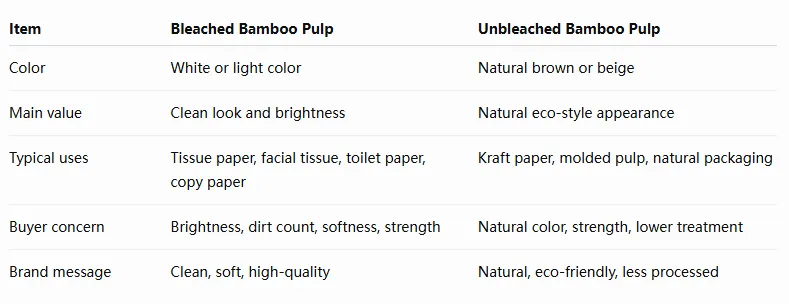
If your product will touch consumers directly, such as bamboo tissue paper or bamboo toilet paper, bleached bamboo pulp may fit better. If your brand wants a natural kraft look, unbleached bamboo may be the stronger choice.
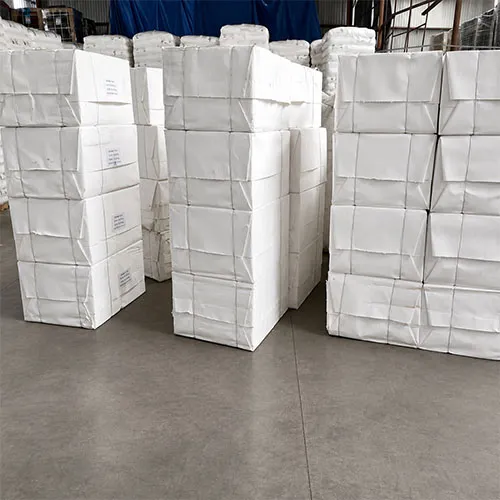
Bleached bamboo pulp is widely used in household paper and specialty paper products. Common applications include tissue paper, bamboo toilet paper, bamboo facial tissue, bamboo tissue, bamboo household paper, copy paper, typing paper, filter paper, and some printing paper. The reason is simple: these products often need good brightness, soft touch, clean fiber, and stable appearance.
Bamboo pulp products are also used in bamboo paper and bamboo pulp board. Some buyers use virgin bamboo pulp or bleached virgin paper pulp when they need a clean fiber source rather than recycled fiber. In packaging, bleached bamboo pulp may be used where the product needs a white or premium appearance. For more natural packaging, unbleached bamboo pulp or bamboo kraft paper may be preferred.
Application selection should always start with the final product. A paper factory making bamboo toilet paper needs softness and safe converting performance. A buyer making bamboo kraft paper needs strength and runnability. A manufacturer producing eco-friendly paper products needs both sustainability and stable paper production.
Bamboo pulp is a non-wood pulp. Wood pulp is still the most common pulp for paper making, especially because the global supply chain is mature. Hardwood pulp is often valued for smoothness and formation. Softwood pulp is often valued for strength. Bamboo pulp sits in a useful middle space for many paper applications.
Research comparing wood and non-wood market pulps for tissue paper applications studied factors such as fiber morphology, softness, water absorbency, and tensile strength, showing that different pulps fit different tissue product needs. This matters because no single pulp is perfect for every product.
For example, bamboo pulp and wood pulp may be blended to balance cost, softness, strength, and production stability. Bleached hardwood pulp may work well for smooth paper, while bamboo pulp can help a brand build a stronger eco-friendly story. Bagasse pulp may fit food packaging and molded fiber. Each pulp has its own place.
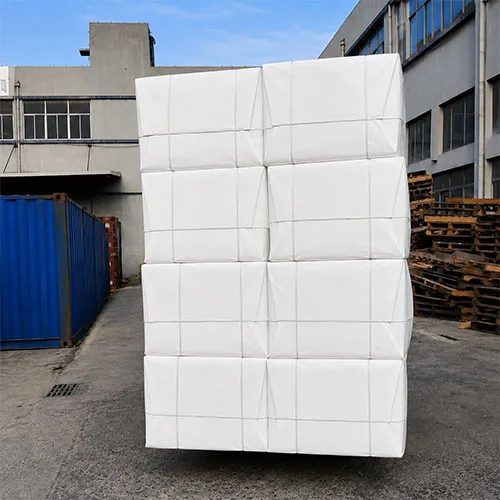
A good supplier should provide more than bamboo pulp sheets. Buyers should ask for technical data, sample support, packaging details, supply capacity, and export experience. Bamboo pulp manufacturers should be able to explain whether the pulp is bleached, unbleached, virgin pulp, chemical pulp, bleached kraft pulp, or suitable for a specific paper product.
Use this checklist before placing an order:
Many buyers make one common mistake. They ask for “the cheapest bamboo pulp.” That is risky. A better request is: “We need bamboo pulp for paper making, and this is our final paper product, machine type, and quality target.” This gives the supplier enough detail to recommend the right grade.

Sheeon Pulp is a China-based B2B supplier specializing in eco-friendly pulp and sustainable paper materials. Our product range includes bamboo pulp, bagasse pulp, wheat straw pulp, Bible paper, and stone paper. We serve paper product manufacturers, food packaging producers, disposable tableware factories, printing and publishing buyers, paper importers, and industrial raw material purchasers.
For bleached bamboo pulp, we focus on practical buyer needs: stable quality, clear specifications, OEM/ODM customization, sample support, export packaging, and global logistics. We understand that overseas buyers, especially in Europe and other regulated markets, care about sustainability, compliance, traceability, and long-term supply reliability.
Our role is not only to sell pulp. We help you choose the right pulp for your product. Whether you need bleached bamboo pulp for tissue paper, unbleached bamboo for kraft, bamboo pulp board for paper production, or eco-friendly pulp for a new paper product line, Sheeon Pulp can support your sourcing process from consultation to delivery.
Bleached bamboo pulp is bamboo pulp that has gone through a bleach or bleaching process to improve brightness, color, and cleanliness. It is often used for tissue paper, bamboo toilet paper, facial tissue, copy paper, and other white paper products.
Bleached bamboo pulp can be eco-friendly when the bamboo raw material is responsibly sourced and the bleaching process is controlled. Buyers should ask about bleach method, wastewater control, pulp quality, and supplier documents.
Bleached bamboo pulp is lighter and cleaner in color. Unbleached bamboo pulp keeps more natural color and is often used for kraft paper, unbleached paper, molded pulp, and natural packaging products.
Yes. Bleached bamboo pulp is commonly used for bamboo toilet paper because it can provide a clean white appearance, soft touch, and good consumer acceptance. Sample testing is still important before bulk production.
Bamboo pulp is not always better than wood pulp. It is different. Bamboo pulp offers renewable non-wood fiber value, while wood pulp has a mature global supply chain. Many paper mills use bamboo pulp and wood pulp blends for balanced performance.
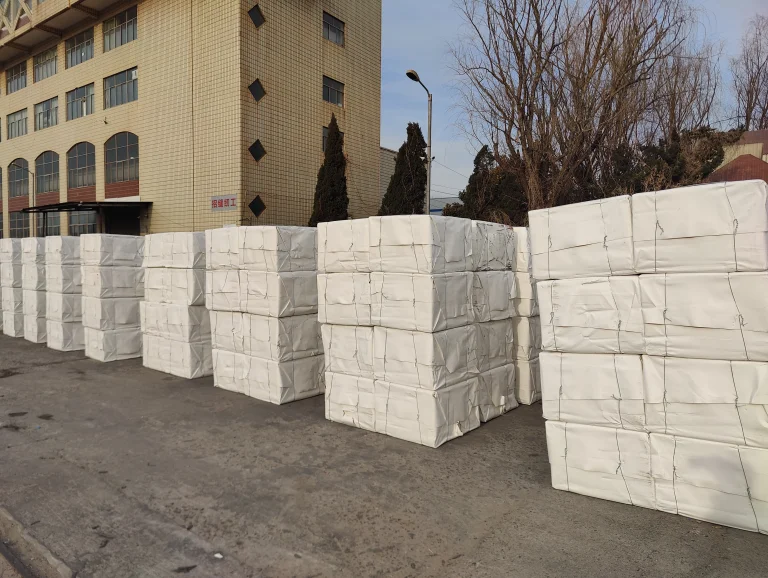
Bamboo paper is paper made wholly or partly from bamboo pulp, so buying it means choosing a pulp grade. Sheeon publishes bleached bamboo pulp at about 85% brightness with fibers longer than 1.7 mm, and unbleached at 40–43% brightness with fibers longer than 2.2 mm.
Bamboo paper is paper made wholly or partly from bamboo pulp, so buying it means choosing a pulp grade. Sheeon publishes bleached bamboo pulp at about 85% brightness with fibers longer than 1.7 mm, and unbleached at 40–43% brightness with fibers longer than 2.2 mm.