bagasse pulp
Learn More


 13:55
13:55 Many paper buyers want greener raw material, but they still need stable pulp quality, safe supply, and reliable paper performance. If a paper mill only depends on wood pulp, costs and sourcing pressure may rise. Wheat straw pulp gives buyers a practical non-wood pulp solution.
Wheat straw pulp is paper pulp made from wheat straw through straw pulping, washing, screening, bleach treatment, drying, and forming into pulp sheets. It is used in paper and paperboard, packaging paper, cultural paper, molded fiber products, and other paper product applications. It helps turn agricultural straw waste into useful pulp raw material.
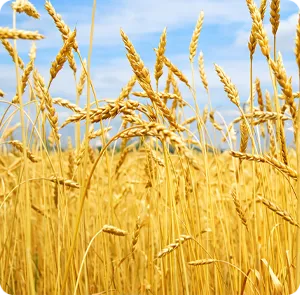
Wheat straw pulp is a kind of pulp made from the dry stalk left after wheat cultivation. After wheat grain is harvested, the remaining straw stalk can become a useful material for pulp and paper production. Instead of burning or wasting straw, a pulp mill can process it into paper pulp for many paper industries.
This matters because the pulp and paper industries need more fiber choices. Traditional wood pulp is still important, but non-wood pulp materials are gaining attention. FAO notes that agricultural residues and recycled fiber are part of China’s non-wood fiber resources, and straw is one of the important agricultural residues used in paper applications.
For Sheeon Pulp, wheat straw pulp fits a clear market need. We serve paper product manufacturers, food packaging producers, disposable tableware factories, paper importers, and industrial raw material buyers. These buyers want eco-friendly pulp, stable bulk supply, OEM/ODM customization, and export-ready service.
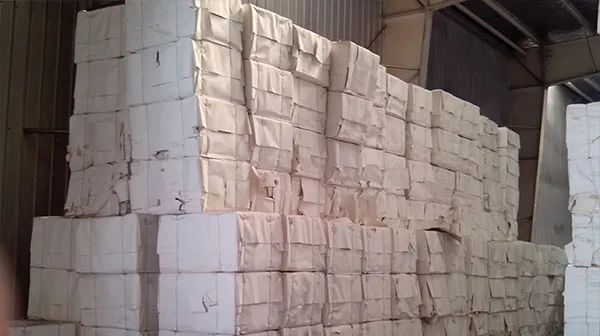
Yes, straw can be a good raw material for paper pulp when it is properly collected, cleaned, and processed. Wheat straw can be used as material for paper because it contains cellulose fiber. This wheat straw fiber can be separated through straw pulping and used to make paper.
The value of straw is simple: it is an agricultural by-product. In many regions, straw is available after harvest. When treated wheat straw enters a straw pulp mill, it can become a useful material for pulp instead of a low-value residue. This supports agricultural waste valorization and gives paper buyers another fiber source.
However, straw is not perfect. The structure of wheat straw is different from wood. It may contain more silica and other non-fiber materials, so the pulping process must be controlled carefully. This is why buyers should choose an experienced supplier instead of buying only by price.
Straw pulping is the key step that turns straw into pulp. In this stage, the straw is cooked or treated so that fibers separate from non-fiber materials. The pulping of wheat straw can use different pulping methods, depending on the target paper grade, pulp yield, cost, and environmental requirements.
Many producers use a chemical pulping process to make wheat straw chemical pulp. In chemical pulp production, alkali during pulping helps break down lignin and other materials. A pulp digester may be used to control temperature, pressure, and cooking time. This helps create cleaner paper pulp with more stable pulp properties.
There are also other methods. Mechanical pulp can offer high pulp yield, but it may not provide the same cleanliness or strength as chemical pulp. Some processes may create higher pulp yield, while others may create better brightness or strength. The right process for wheat straw depends on the paper product and quality target.
Simple process chart:
Wheat Straw
↓
Cleaning & Cutting
↓
Pretreatment
↓
Straw Pulping
↓
Washing & Screening
↓
Bleaching Process
↓
Drying
↓
Pulp Sheets
Bleach is used when buyers need brighter and cleaner pulp. Bleached wheat straw pulp is often used for paper applications that require a lighter color, better appearance, and more stable printing or forming performance. For packaging paper with a natural look, bleach may not always be required.
The bleaching process helps improve brightness and reduce remaining color from the straw fiber. In pulping and bleaching, the goal is not just to make pulp white. The goal is to reach the right balance of brightness, strength, cleanliness, and environmental control. Too much bleach or poor process control can hurt fiber quality.
For B2B buyers, it is important to ask for clear specifications. A wheat straw pulp and bleached grade should match the buyer’s paper machine, product color, and final quality needs. If the buyer produces molded fiber tableware, food packaging, or coated paper, the required brightness may be different from cultural paper or packaging paper.
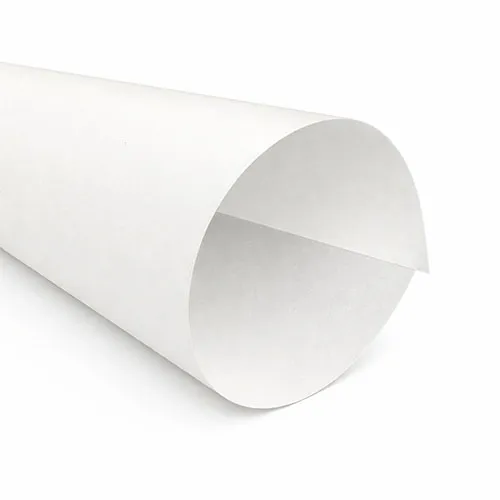
Wheat straw pulp is different from wood pulp, waste paper pulp, and kraft pulp. Wood pulp is widely used because the global supply chain is mature. Kraft pulp is valued for strength, especially in packaging applications. Waste paper is useful for recycling, but recycled fibers cannot be reused forever.
The U.S. EPA explains that paper fibers become shorter each time paper is recycled, and after about five to seven recycling cycles, fibers become too short to bond into new paper. This is why new fiber is still needed in paper production. Wheat straw pulp can be one of those new fiber options.
Compared with wood pulp, wheat straw pulp offers a non-wood pulp story and agricultural waste value. Compared with waste paper, it can provide fresh pulp fibers. Compared with kraft pulp, it may not always provide the same strength, but it can work in blends and selected paper applications. The best choice depends on cost, performance, sustainability, and machine needs.
Wheat straw pulp can be used for many paper product applications. It can support packaging paper, paper and paperboard, molded fiber packaging, disposable tableware, cultural paper, coated paper, and some printing or writing grades. The final use depends on pulp properties and the buyer’s paper production process.
For eco-friendly packaging buyers, wheat straw pulp offers a strong story. It turns agricultural straw into useful material for pulp and paper manufacturing. This is attractive for brands that want to reduce plastic use, reduce dependence on wood fiber, and create more sustainable paper products.
For paper industries, wheat straw pulp can also work as part of a fiber blend. A paper mill may use wheat straw pulp with wood pulp, waste paper, or other non-wood pulp to improve cost balance and sustainability value. In some formulas, wheat straw pulp improves the paper quality by adding specific formation or opacity benefits.
A paper mill should first check whether wheat straw pulp sheets match its paper machine and final product. Not every pulp fits every line. A mill making packaging paper has different needs from a mill making cultural paper or paperboard. Sample testing is the safest first step.
Buyers should ask for technical data before ordering. Useful information includes moisture, brightness, ash content, dirt count, pulp yield, fiber length, packaging method, bale weight, and loading quantity. If the mill has special requirements, the supplier should confirm them before mass shipment.
A good supplier should also understand export needs. For international buyers, stable communication, clear documents, quality certificates, and logistics support matter as much as product price. This is why Sheeon Pulp focuses on stable supply, customization, and long-term B2B service.
Buyer checklist before purchasing:
Sheeon Pulp is a China-based B2B supplier focused on eco-friendly pulp and sustainable paper materials. Our product scope includes wheat straw pulp, bagasse pulp, bamboo pulp, Bible paper, and stone paper. We help overseas buyers find practical fiber solutions for paper product manufacturing, food packaging, disposable tableware, printing, publishing, and industrial material purchasing.
For wheat straw pulp, we can support buyers with product selection, sample matching, specification discussion, OEM/ODM customization, packaging advice, and export service. We understand that buyers in Europe and other international markets care about environmental rules, supply chain reliability, certification compliance, and long-term partnership stability.
Our goal is not only to sell pulp. We help buyers reduce sourcing risk. When you choose a straw pulp solution, you need a supplier that understands raw material control, pulp production, bleach options, pulp properties, and paper mill requirements. That is where Sheeon Pulp can add real value.
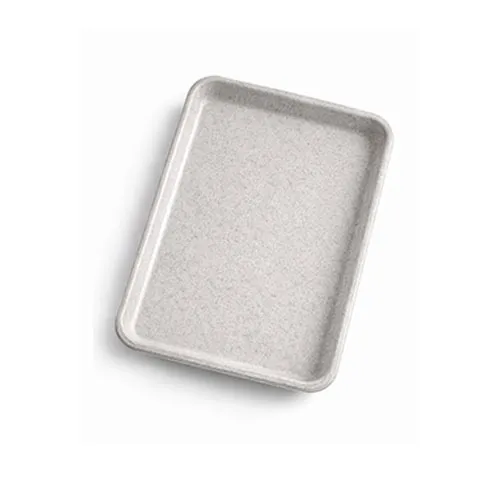
Wheat straw pulp is pulp made from the stalks left after wheat harvesting. It is a non-wood pulp used for paper pulp, packaging paper, molded fiber products, cultural paper, paperboard, and other paper products.
Wheat straw can be used for animal bedding, soil return, biomass fuel, packaging material, and paper pulp production. In paper industries, wheat straw can be used as raw material for pulp.
Yes. You can make paper from wheat straw after cleaning, cutting, straw pulping, washing, screening, and drying. The final paper quality depends on pulp properties, bleach treatment, refining, and machine settings.
Wheat straw is often treated as an agricultural residue, but it is not useless waste. With the right process, it can become valuable pulp raw material for paper and paperboard products.
Wheat straw may contain silica, dust, and other non-fiber materials. It also has different fiber properties from wood pulp. A paper mill must control pulping, washing, bleach, and blending to get stable paper quality.
No. Wheat straw pulp is not plastic. It is plant-based pulp made from straw fiber. However, some consumer products use wheat straw mixed with PP plastic, which is a different material category and should not be confused with pure wheat straw pulp.
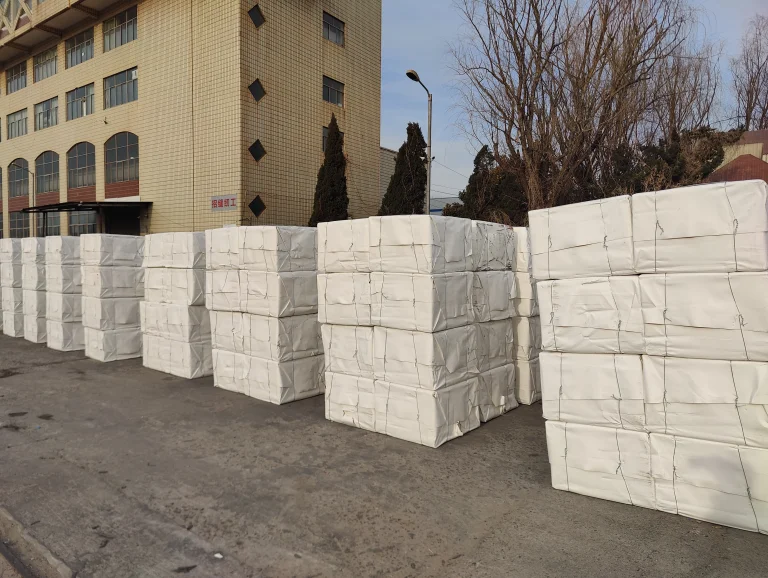
Bamboo paper is paper made wholly or partly from bamboo pulp, so buying it means choosing a pulp grade. Sheeon publishes bleached bamboo pulp at about 85% brightness with fibers longer than 1.7 mm, and unbleached at 40–43% brightness with fibers longer than 2.2 mm.
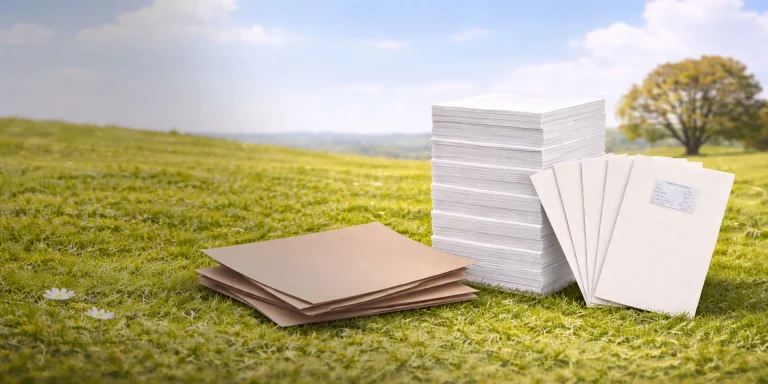
Bamboo paper is paper made wholly or partly from bamboo pulp, so buying it means choosing a pulp grade. Sheeon publishes bleached bamboo pulp at about 85% brightness with fibers longer than 1.7 mm, and unbleached at 40–43% brightness with fibers longer than 2.2 mm.