bagasse pulp
Learn More


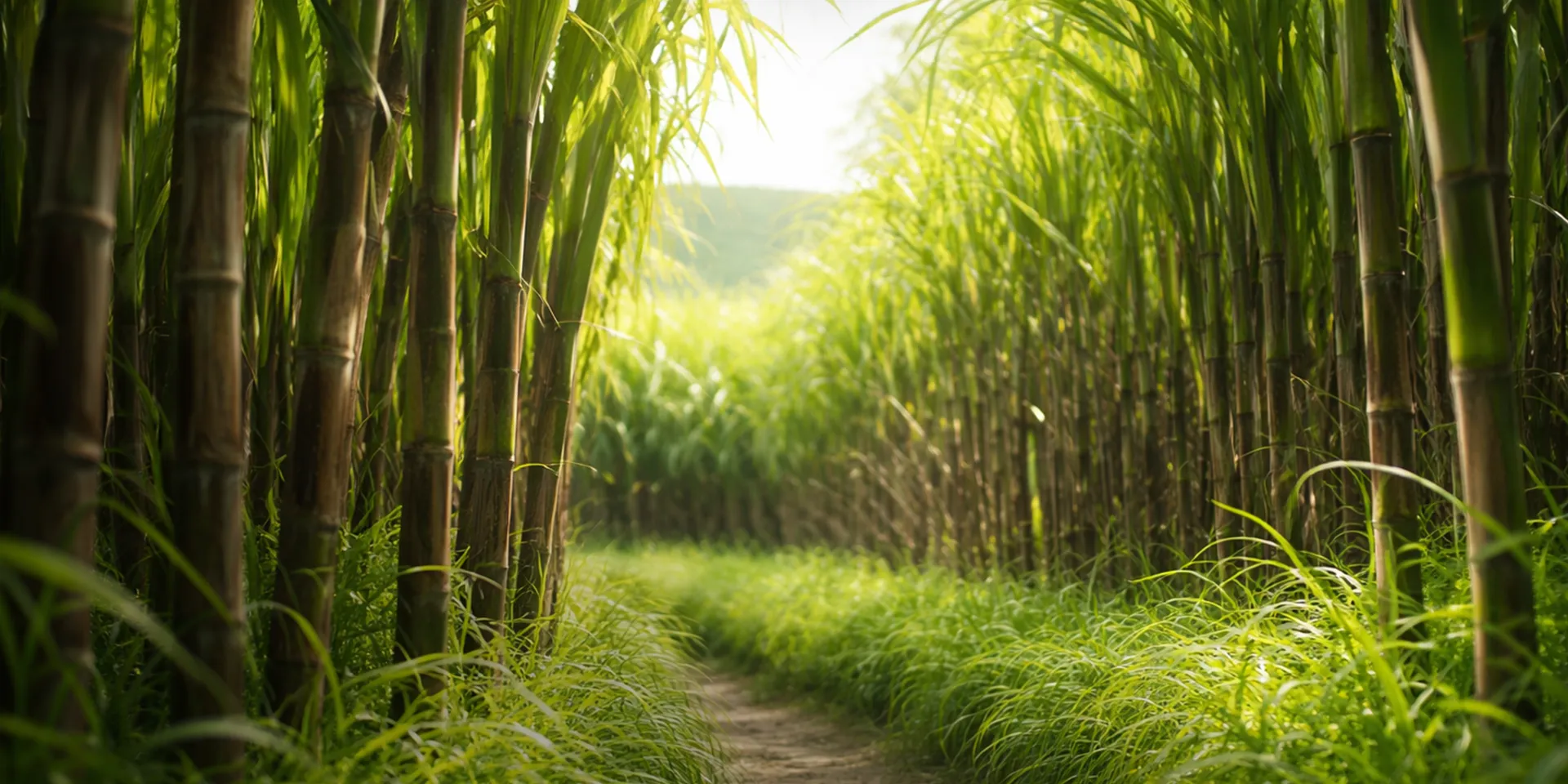
Premium food-grade bagasse pulp made from sugarcane waste. Bleached & unbleached options. CE, SGS certified. Ideal for packaging, tableware & food additives. Trusted by European customers. Contact Sheeon today.

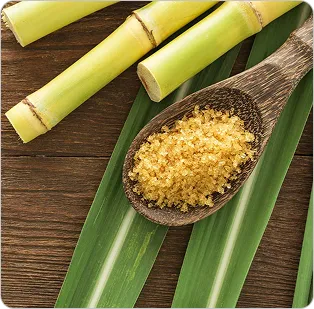
Bagasse pulp, also known as sugarcane pulp or sugar cane pulp, is a highly environmentally friendly and renewable pulp made from sugarcane bagasse—the fibrous residue left after extracting juice from sugarcane. Instead of being discarded or burned, this agricultural waste is transformed into a valuable raw material for paper and packaging products, embodying the principles of a circular economy.
What makes bagasse pulp truly exceptional is its food-grade quality. At Sheeon, we employ a rigorous non-filter bleaching technology that adheres to the strictest process standards, ensuring our bagasse pulp meets food safety requirements and is certified by CE. This makes it safe for direct food contact and suitable for a wide range of applications, from food packaging and disposable tableware to food additives.
Bagasse pulp fiber is characterized by its relatively short fiber length, high transparency, and brittleness, which contribute to its unique performance in packaging and molding applications. Our bagasse pulp is available in both bleached (≥80% brightness) and unbleached (40-43% brightness) grades, offering flexibility to meet diverse customer needs.
In today’s world, where environmental responsibility is paramount, bagasse pulp has become increasingly popular—especially among European customers who prioritize sustainability and quality. By choosing Sheeon’s bagasse pulp, you’re not only sourcing a high-performance material but also contributing to waste reduction, carbon neutrality, and a greener planet.

Our state-of-the-art production facilities and non-filter bleaching technology ensure food-grade quality and environmental compliance.
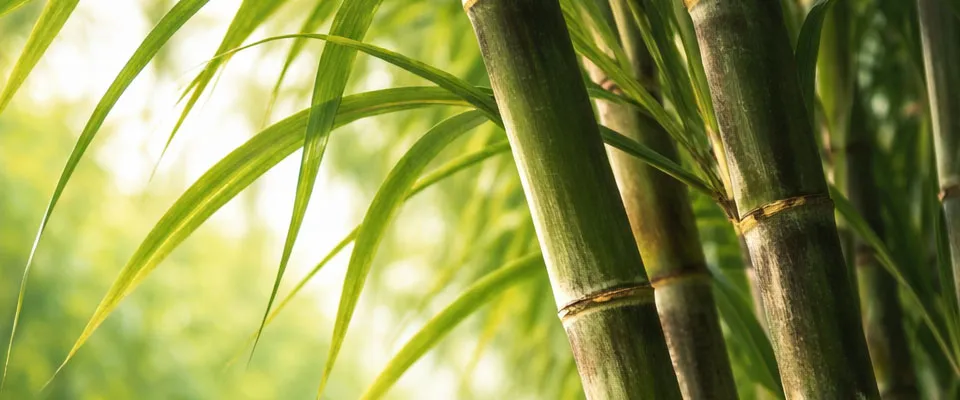
We source fresh sugarcane bagasse directly from sugar mills, ensuring the raw material is free from contamination and retains optimal fiber quality. The bagasse is cleaned, dried, and prepared for pulping within 24-48 hours of collection to prevent degradation.
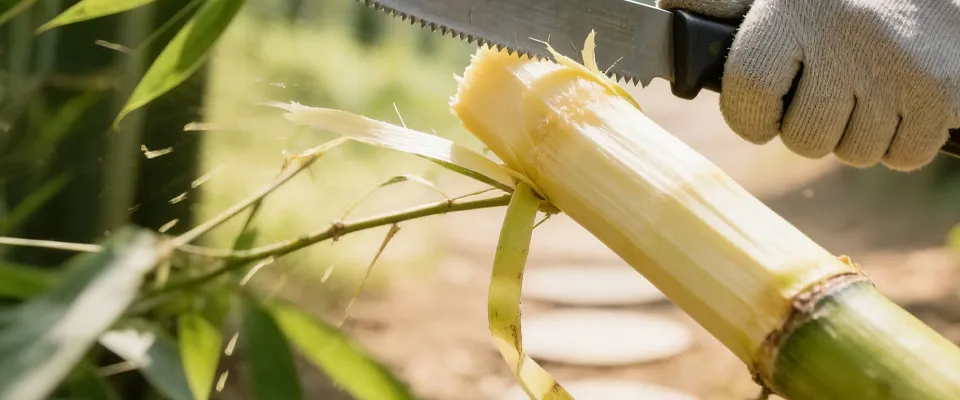
The bagasse undergoes depithing to remove pith (the soft, spongy core) and other impurities. This step is crucial for improving fiber quality and reducing dirt count in the final product. The material is then screened to ensure uniform particle size.
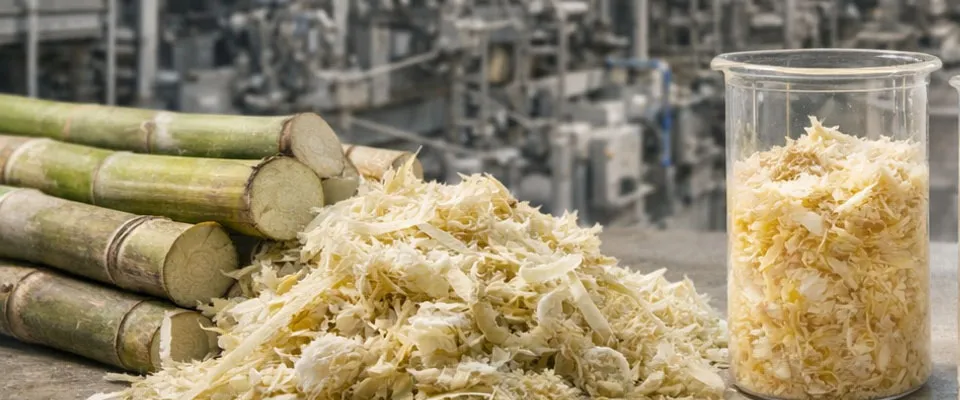
We employ advanced chemical pulping methods, including soda pulping and kraft pulping, to break down the bagasse into individual fibers. This process effectively removes lignin and hemicellulose while preserving cellulose fibers, resulting in high-strength pulp.
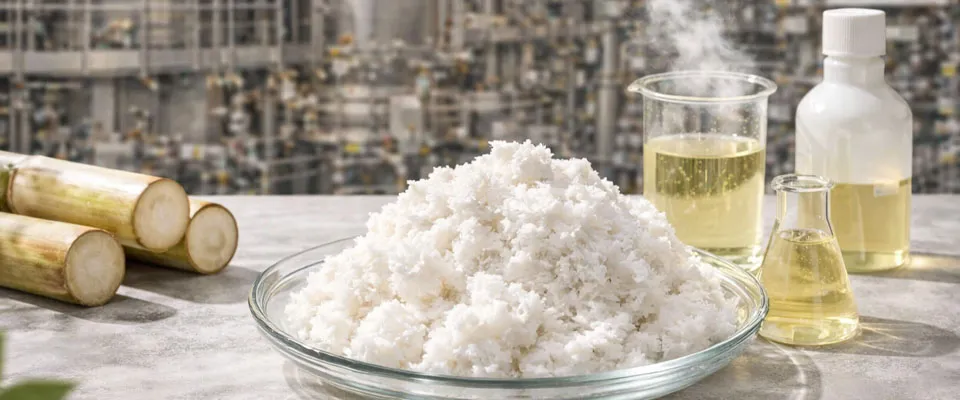
For bleached bagasse pulp, we use a proprietary non-filter bleaching technology that adheres to the strictest environmental and quality standards. Unlike traditional bleaching methods, our process minimizes chemical usage and wastewater discharge while achieving high brightness (≥80%). This ensures our bagasse pulp meets food-grade requirements and is safe for direct food contact.
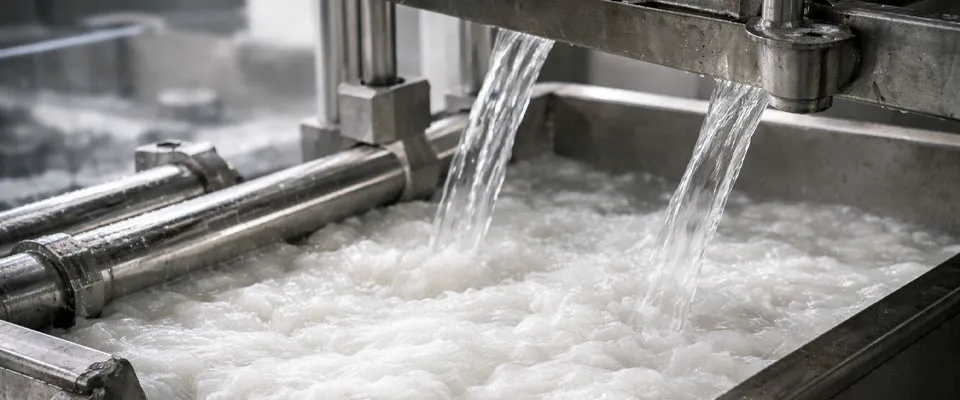
The pulp is thoroughly washed to remove residual chemicals and impurities. Multiple washing stages ensure the pulp is clean, odorless, and meets stringent quality standards for food-grade applications.
The pulp undergoes rigorous screening to eliminate oversized particles and contaminants. Each batch is tested for brightness, dirt count, tensile strength, tear resistance, burst strength, viscosity, ash content, moisture, and pH to ensure compliance with GB/T standards and customer specifications.
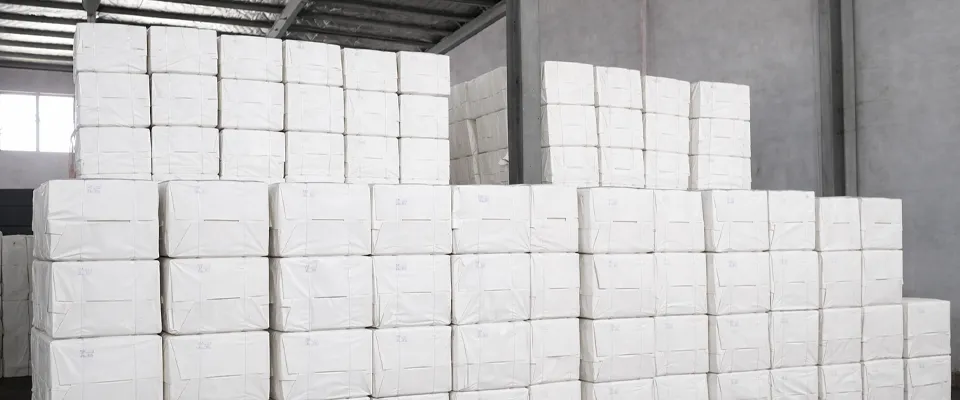
The final pulp is dried to the optimal moisture content (≤20% for bleached, 14±2% for unbleached) and pressed into sheets or bales. Each batch is labeled with detailed specifications, quality certificates, and traceability information for full transparency.
Our production process is ISO-certified and regularly audited by third-party organizations such as SGS. We maintain strict quality control at every stage to ensure consistent, food-grade bagasse pulp.
 Why Choose Sheeon's Bagasse Pulp?
Our bagasse pulp stands out for its food-grade certification, waste-to-value model, and trusted performance in European markets.

Our bagasse pulp is certified by ISO (international quality management standards) and CE (European compliance). This makes it an ideal choice for sustainable food packaging and disposable tableware, while providing greater quality assurance and compliance confidence for your customers.

Bagasse pulp is made from sugarcane waste that would otherwise be discarded or burned. By transforming this agricultural byproduct into premium pulp, we reduce waste, lower carbon emissions, and support a circular economy—a win for both business and the planet.

With over 10 years of export experience, Sheeon has built strong partnerships with customers in Germany, Belgium, Spain, France, and the Netherlands. Our bagasse pulp meets the high environmental and quality standards demanded by European markets.

We offer bleached bagasse pulp (brightness ≥80%) for premium applications requiring high whiteness, and unbleached bagasse pulp (brightness 40-43%) for eco-conscious customers seeking natural, minimally processed materials.

Bagasse pulp's short fiber length and high transparency make it perfect for producing high-quality paper molds, food packaging trays, and disposable tableware. Its excellent moldability ensures precise shaping and consistent quality.

Our non-filter bleaching technology and multi-stage quality control process ensure every batch of bagasse pulp meets the highest standards for brightness, cleanliness, strength, and food safety. SGS-certified and traceable.
In an era where sustainability is no longer optional, bagasse pulp represents one of the most environmentally responsible choices in the pulp and paper industry. Here's why:


Zero Waste Philosophy: Sugarcane bagasse is a byproduct of the sugar industry. Instead of being burned or landfilled, it is turned into pulp, creating value from waste and supporting a circular economy.
Carbon Neutrality: Sugarcane absorbs CO₂ during growth. Using bagasse for pulp instead of burning it keeps carbon stored and significantly reduces greenhouse gas emissions. Studies show bagasse pulp can have a carbon footprint up to 70% lower than wood pulp.
No Deforestation: Bagasse pulp does not require cutting down trees. This helps protect forests, preserve biodiversity, and prevent soil erosion.
Low Water and Chemical Usage: Our advanced non-filter bleaching technology reduces water and chemical use compared with traditional bleaching methods, lowering pollution and environmental impact.
Biodegradable and Compostable: Products made from bagasse pulp, such as food packaging and disposable tableware, are fully biodegradable and compostable. They break down naturally within 60-90 days, leaving no harmful residues—unlike plastic, which can persist for centuries.
Supporting Local Communities: Bagasse pulp production creates jobs in agricultural regions and provides additional income for sugarcane farmers. By purchasing bagasse pulp, you’re supporting rural economies and promoting sustainable livelihoods.
By partnering with Sheeon, you’re not just sourcing high-quality bagasse pulp—you’re making a powerful statement about your commitment to environmental stewardship and corporate social responsibility.
Our bagasse pulp meets stringent international standards, ensuring reliable performance and food safety for your applications.
| Parameter | Bleached Bagasse Pulp (BG Grade) | Unbleached Bagasse Pulp (First Grade) | Unit |
| Brightness | ≥80% | 40-43% | % |
| Fiber Length | Short fiber | 1.25 | mm |
| Tensile Index | ≥55 | ≥45 | N·m/g |
| Tear Index | ≥5.0 | – | mN·m²/g |
| Burst Index | ≥4.0 | – | kPa·m²/g |
| Viscosity | ≥350 | – | cm³/g |
| Moisture Content | ≤20% | 14±2% | % |
| pH Value | 6.5-8.0 | ≤8.0 | – |
| Dirt Count (3-6mm²) | ≤25 mm²/500g | ≤40 mm²/500g (0.3-5.0mm²) | mm²/500g |
| Best For | Food-grade packaging, tableware | Eco-friendly packaging, molded products | – |
Raw Material Inspection: Every batch of sugarcane bagasse is inspected for freshness, moisture content, and purity before processing.
In-Process Monitoring: Real-time monitoring of pulping, bleaching, and washing processes to ensure consistency and compliance.
Final Product Testing: Comprehensive testing of brightness, dirt count, tensile strength, tear resistance, burst strength, viscosity, ash content, moisture, and pH.
Third-Party Certification: Regular audits by SGS, and CE certification bodies to verify food-grade quality and compliance.
Traceability: Each batch is assigned a unique tracking number for full traceability from raw material to finished product.

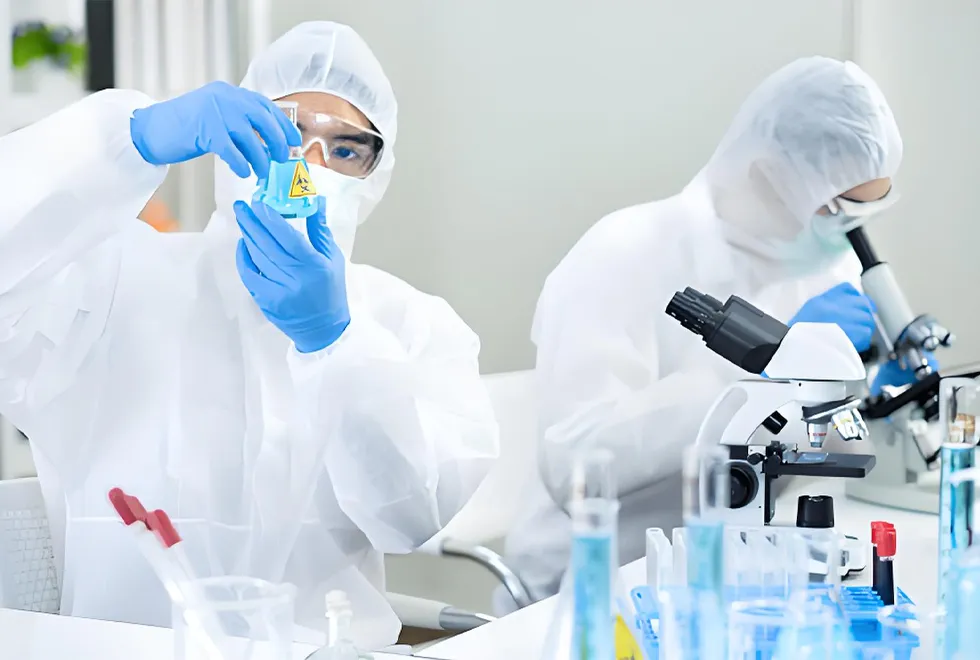
Raw Material Inspection: Every batch of sugarcane bagasse is inspected for freshness, moisture content, and purity before processing.
In-Process Monitoring: Real-time monitoring of pulping, bleaching, and washing processes to ensure consistency and compliance.
Final Product Testing: Comprehensive testing of brightness, dirt count, tensile strength, tear resistance, burst strength, viscosity, ash content, moisture, and pH.
Third-Party Certification: Regular audits by SGS, and CE certification bodies to verify food-grade quality and compliance.
Traceability: Each batch is assigned a unique tracking number for full traceability from raw material to finished product.
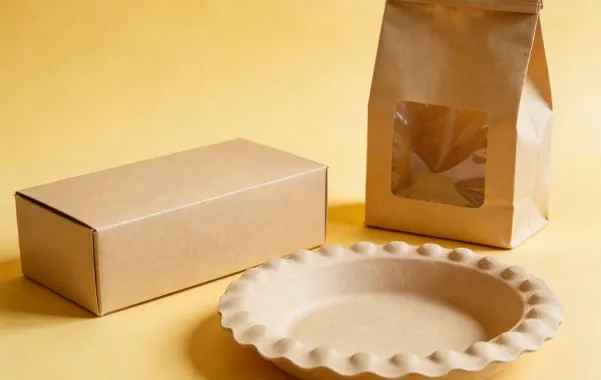
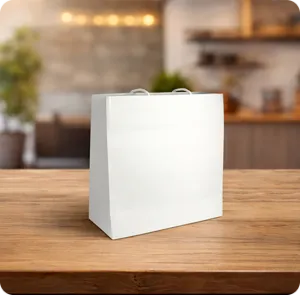
Our CE-certified bagasse pulp is safe for direct food contact, making it ideal for food packaging bags, boxes, trays, and wrapping paper. Its high transparency and moldability ensure excellent presentation and protection for your products.
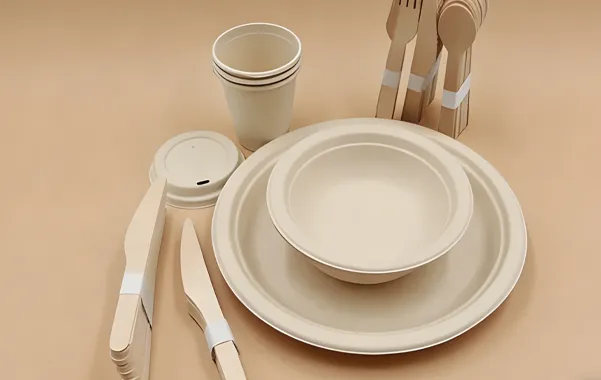
Bagasse pulp is widely used to produce biodegradable disposable plates, bowls, cups, trays, and cutlery. These products offer a sustainable alternative to plastic tableware, meeting the growing demand for eco-friendly dining solutions in restaurants, catering, and events.
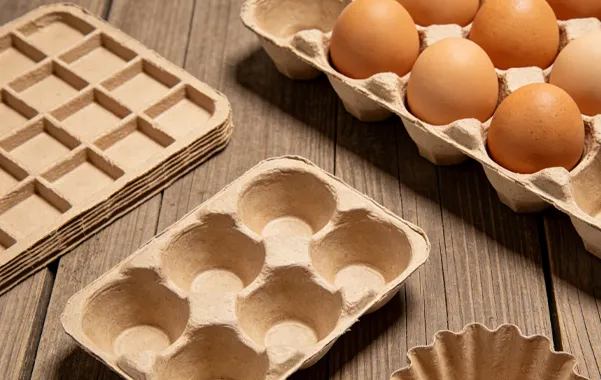
Bagasse pulp's excellent moldability makes it perfect for producing paper molds, egg trays, fruit trays, and electronic product packaging. Its high transparency and strength ensure products are well-protected during transportation and storage.
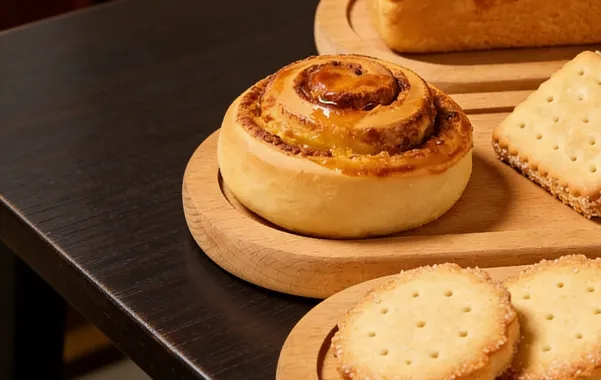
Food manufacturers use bagasse pulp as a natural thickening agent in bread, cookies, sauces, and other food products. Adding a small amount of bagasse pulp helps improve texture, viscosity, and moisture retention without compromising taste or safety.
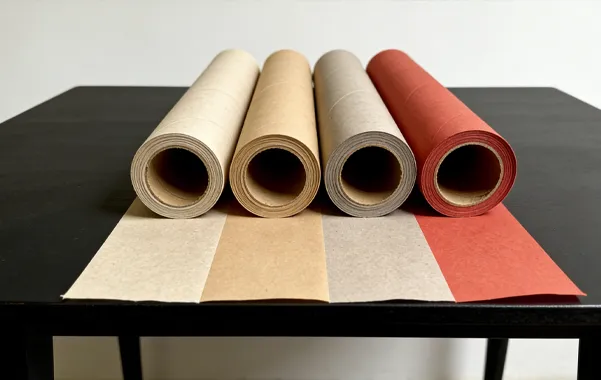
Bagasse pulp is an excellent raw material for producing high-quality packaging paper, kraft paper, and specialty papers. Its short fiber length and high transparency make it ideal for applications requiring lightweight yet strong materials.
Beyond the above applications, bagasse pulp is also used in filter papers, industrial packaging, a
Got questions? We've got answers. Here are some of the most common questions we receive about bagasse pulp.
Sugarcane bagasse is the raw material—the fibrous residue left after extracting juice from sugarcane. Bagasse pulp is the processed product made from sugarcane bagasse through pulping, bleaching, and refining. In short, bagasse is the starting material, and bagasse pulp is the finished product ready for use in packaging, tableware, and other applications.
Yes, our bagasse pulp is CE-certified for direct food contact. It meets stringent food safety standards and is widely used in food packaging, disposable tableware, and even as a food additive (thickening agent) in baked goods and sauces.
Non-filter bleaching is a proprietary technology we use to bleach bagasse pulp without the need for traditional filtration systems. This process minimizes chemical usage, reduces wastewater discharge, and achieves high brightness (≥80%) while maintaining food-grade quality. It’s an environmentally friendly alternative to conventional bleaching methods.
Bagasse pulp is significantly more sustainable than wood pulp. It’s made from agricultural waste (sugarcane bagasse) that would otherwise be discarded or burned, so it doesn’t require cutting down trees. Bagasse pulp has a carbon footprint up to 70% lower than wood pulp, supports a circular economy, and is fully biodegradable.
Our MOQ varies depending on the product type and destination. Typically, the MOQ is one 20-foot container (approximately 18-20 tons). For customized orders or samples, please contact our sales team for more details.
Absolutely! We offer free samples (shipping costs may apply) so you can test our bagasse pulp quality before committing to a bulk order. Contact us today to request your sample.
European customers prioritize sustainability, quality, and food safety. Bagasse pulp meets all these requirements—it’s eco-friendly, CE certified, and supports circular economy principles. Additionally, Europe has strict regulations on plastic usage, making biodegradable bagasse pulp an ideal alternative for packaging and tableware.
Delivery time depends on your location and order size. Typically, production takes 15-20 days, and shipping to Europe takes 25-35 days by sea. We provide full tracking and logistics support to ensure on-time delivery.