Bagasse-Zellstoff
Mehr erfahren


 09:50
09:50 Technisches Team von Sheeon Pulp | Technisches Team des Unternehmens | Veröffentlicht: September 2026
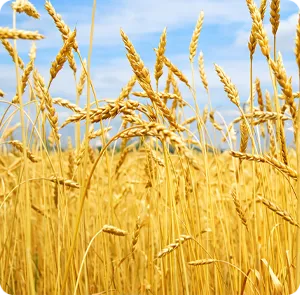
Straw pulp is a type of non-wood pulp produced from agricultural residues such as wheat straw instead of traditional wood fiber. Among different agricultural fiber materials, wheat straw pulp has become an important alternative raw material for paper production, packaging, and sustainable fiber applications.
Commercial wheat straw pulp is mainly supplied in different grades, especially TCF bleached wheat straw pulp and unbleached wheat straw pulp. These grades vary in brightness, opacity, cleanliness, strength properties, and application suitability.
For paper mills, packaging manufacturers, importers, and industrial raw material buyers, choosing the right wheat straw pulp supplier requires understanding not only the grade name but also the actual technical specifications, including fiber characteristics, moisture, dirt count, brightness, and quality consistency.
Sheeon Pulp supplies wheat straw pulp solutions for global B2B customers seeking sustainable alternatives to conventional wood-based fiber. As a China-based non-wood pulp supplier, Sheeon focuses on agricultural waste valorization, stable bulk supply, customized specifications, and international export support.
The specifications below reflect the published product data available at the time of writing. Buyers should always request a current certificate of analysis (COA) and product-specific documentation before confirming bulk orders.
TCF stands for Totally Chlorine Free, referring to a bleaching process that avoids chlorine-based bleaching chemicals completely.
In the wheat straw pulping process, bleaching is an important stage that determines the final appearance, brightness, and suitability of pulp for different paper applications.
TCF bleaching is often considered by buyers looking for environmentally focused sustainable pulp solutions because the process does not use elemental chlorine or chlorine-containing bleaching chemicals.
However, TCF describes a bleaching method, not an automatic certification.
A pulp produced through a TCF process does not automatically mean it has:
These certifications and approvals require separate evaluation and documentation.
For example, a buyer producing food packaging, disposable paper products, or environmentally friendly packaging materials should verify whether the specific wheat straw pulp grade meets the regulations required for their target market.
At Sheeon Pulp, we recommend that buyers evaluate:
rather than relying only on a product name.
The demand for Weizenstrohpülpe has increased as paper manufacturers search for alternatives to traditional wood pulp.
Wheat straw is an agricultural residue generated after grain harvesting. Instead of being treated only as agricultural waste, it can be processed into valuable fiber for paper making, packaging, and other industrial applications.
Compared with conventional wood pulp, wheat straw pulp offers several potential advantages:
However, wheat straw pulp is not designed to replace every type of wood pulp application.
The best application depends on the required balance between:
| Requirement | Important Consideration |
| Helligkeit | Important for white printing paper |
| Strength | Important for packaging performance |
| Deckkraft | Important for visual quality |
| Cost efficiency | Important for large-volume production |
| Fiber characteristics | Important for machine performance |
| Sustainability goals | Important for eco-friendly product positioning |
In many packaging applications, unbleached wheat straw pulp can provide a practical balance between cost and performance.
For applications requiring higher brightness, cleaner appearance, and better visual quality, TCF bleached wheat straw pulp may be more suitable.
Zu den üblichen Anwendungen gehören:
For paper mills comparing wheat straw pulp price, the lowest purchase cost is not always the most important factor.
The real purchasing value depends on:
Different customers require different grades of wheat straw pulp.
A packaging producer may prioritize strength and cost efficiency, while a printing paper manufacturer may focus more on brightness, cleanliness, and appearance.
The following comparison shows the key differences between Sheeon’s TCF bleached and unbleached wheat straw pulp grades.
| Parameter | TCF Bleached Wheat Straw Pulp | Unbleached Wheat Straw Pulp |
| Helligkeit | ≥75% | 35–40% |
| Deckkraft | ≥90% | ≥85% |
| Fiber length | 0.8–1.2 mm | 0.8–1.2 mm |
| Zugfestigkeitsindex | ≥45 N·m/g | ≥40 N·m/g |
| Tränenindex | ≥4.5 | Not published |
| Burst-Index | ≥3,5 | Not published |
| Viskosität | ≥300 | Not published |
| Luftfeuchtigkeit | ≤20% | 14 ± 21 TP3T |
| pH-Wert | 6,5–8,0 | ≤8.0 |
| Dirt count | ≤30 mm²/500 g | ≤50 mm²/500 g |
The fiber length is identical between the two grades because the underlying agricultural raw material is the same.
The main differences come from later processing stages, especially washing, screening, and bleaching.
For example:
For buyers comparing wheat straw pulp manufacturers, technical consistency is usually more important than simply selecting a grade with the highest brightness.
A reliable supplier should provide:
When purchasing straw pulp, buyers should evaluate several technical factors instead of focusing on one specification.
Helligkeit
Brightness describes the optical appearance of pulp.
A higher brightness value is generally preferred for:
Unbleached grades usually maintain a natural brownish color because they retain more original fiber coloration.
Deckkraft
Opacity determines how effectively paper blocks light passing through the sheet.
Higher opacity helps reduce:
For applications involving printed surfaces, opacity can significantly affect the final paper quality.
Fiber Strength
Although wheat straw fibers are generally shorter than many wood fibers, proper pulping and refining can produce useful strength characteristics.
Strength performance depends on:
Dirt count is particularly important for visually sensitive products.
Lower dirt count is usually preferred for:
For industrial packaging where appearance is less critical, a slightly wider tolerance may be acceptable.
Moisture Control
Moisture affects:
Storage stability
International buyers should always confirm moisture requirements before shipment.
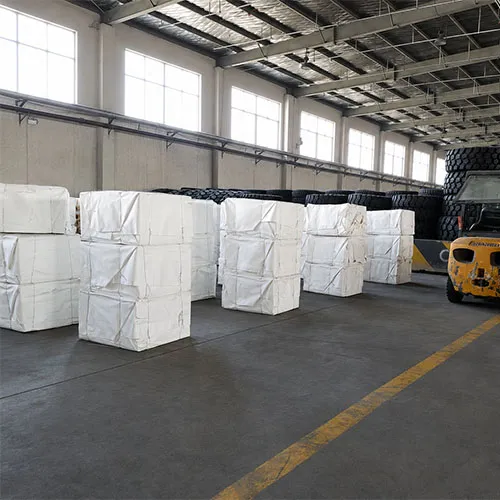
A common mistake in industrial purchasing is assuming that company-level certifications automatically apply to every product grade.
They do not.
A supplier may have company certifications, management system certifications, or factory compliance documents, but each individual pulp product may require separate documentation depending on the buyer’s application.
For example, a customer purchasing Weizenstrohpülpe for food packaging may require specific food-contact documentation.
A customer producing sustainable paper products may focus more on:
A customer purchasing pulp for industrial packaging may focus more on:
Therefore, buyers should always request product-specific documentation.
This is especially important for international B2B purchasing because regulatory requirements vary between markets.
Sheeon Pulp recommends that buyers confirm:
before placing large-volume orders.
Selecting the correct wheat straw pulp grade depends mainly on the final product requirements.
A packaging manufacturer, paper mill, tissue producer, or sustainable material brand may have completely different priorities. Some customers need higher brightness and cleaner appearance, while others focus on cost efficiency, strength, and stable bulk supply.
Before purchasing wheat straw pulp, buyers should first define:
The same straw pulp grade cannot always meet every application.
Brightness is one of the first factors that separates TCF bleached wheat straw pulp from unbleached grades.
If the finished product requires a white appearance, printing quality, or premium visual performance, the higher brightness of bleached pulp provides a stronger starting point.
Typical applications that may prefer bleached grades include:
Ungebleichter Weizenstrohbrei, with its natural color, is often more suitable for:
The right choice depends on whether appearance or cost efficiency is the higher priority.
2. Compare Dirt Count Requirements
Dirt count measures visible particles or impurities remaining in pulp.
For visually sensitive applications, cleanliness becomes especially important.
For example:
| Application | Typical Priority |
| Druckpapier | Very high cleanliness |
| Seidenpapier | High cleanliness |
| Premium packaging | Medium to high cleanliness |
| Industrial packaging | Moderate cleanliness |
The difference between:
shows that different grades are designed for different expectations.
A buyer searching for wheat straw paper manufacturers should therefore ask not only about sustainability but also about actual quality-control data.
3. Match Moisture Specification With Storage Conditions
Moisture is often overlooked during pulp purchasing.
However, for international buyers importing bulk wheat straw pulp, moisture affects:
Before confirming an order, buyers should understand:
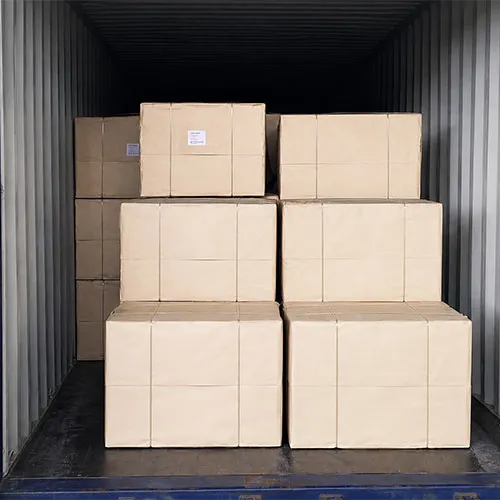
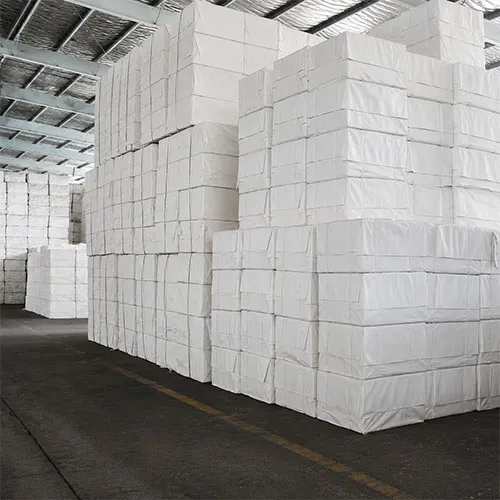
A supplier experienced in global export should be able to provide clear packing and transportation recommendations.
4. Request Complete Technical Data Before Bulk Purchasing
Some buyers compare suppliers only by:
However, the lowest quotation does not always represent the lowest total production cost.
A complete comparison should include:
| Technical Factor | Why It Matters |
| Helligkeit | Determines visual quality |
| Deckkraft | Influences printing appearance |
| Faserfestigkeit | Affects paper performance |
| Luftfeuchtigkeit | Impacts storage and shipping |
| Dirt count | Controls appearance |
| Consistency | Reduces production variation |
| Verpackung | Protects material during transport |
For industrial buyers, stable quality is usually more valuable than a small difference in initial purchase price.
5. Request Product-Specific Documentation
For international procurement, buyers should request:
This is especially important for customers purchasing:
A professional wheat straw pulp supplier should support technical communication before and after ordering.
Both TCF bleached and unbleached wheat straw pulp have advantages depending on the target application.
The better choice is not always the brightest pulp or the cheapest pulp.
It is the grade that best matches the final production requirement.
The main advantage of TCF bleached wheat straw pulp is improved appearance and cleaner visual performance.
Key benefits include:
With brightness ≥75%, bleached wheat straw pulp is more suitable for products requiring a lighter appearance.
Potential applications:
The tighter dirt count specification helps applications where visible impurities can affect acceptance.
Bleached grades can be used in a wider range of paper products where appearance matters.
For brands developing environmentally focused paper products, wheat straw pulp provides an alternative non-wood fiber source.
However, buyers should still evaluate the complete supply chain, including:
Although bleached pulp provides higher brightness, buyers should understand several considerations.
Bleaching requires additional production stages, which can influence:
Compared with unbleached grades, bleached pulp generally requires additional processing investment.
For applications such as:
high brightness may not provide additional commercial value.
In these cases, unbleached wheat straw pulp may offer a better cost-performance balance.
Unbleached wheat straw pulp is often selected because it maintains a more natural appearance and can provide cost advantages.
Main benefits include:
By avoiding bleaching stages, unbleached pulp can provide a more economical raw material option.
As demand grows for sustainable packaging, many brands prefer natural-colored materials.
Applications may include:
A shorter process can reduce some production complexity.
For buyers looking for affordable agricultural waste pulp, unbleached grades can be a practical choice.
The main limitations include:
The natural color limits applications requiring bright white paper.
Some visually sensitive applications may require tighter cleanliness control.
For applications requiring strict performance targets, buyers should request additional information such as:
What is wheat straw pulp used for?
Wheat straw pulp is used as a non-wood fiber material for producing paper, packaging materials, tissue-related products, paperboard, and other sustainable paper applications.
Zu den gängigen Anwendungsbereichen gehören:
The final application depends on pulp grade, brightness, strength, cleanliness, and customer requirements.
What is the difference between bleached and unbleached wheat straw pulp?
The main difference is the bleaching stage.
Bleached wheat straw pulp goes through additional bleaching treatment to improve brightness and visual appearance.
Unbleached wheat straw pulp keeps its natural color and is often selected for applications where cost efficiency and natural appearance are more important.
The choice depends on the final paper product.
TCF means Totally Chlorine Free.
It describes a bleaching process that avoids chlorine-based bleaching chemicals.
However, TCF itself is not the same as certification.
Buyers should confirm separate documentation if they require specific environmental, regulatory, or market approvals.
Wheat straw pulp can support more sustainable material strategies because it uses agricultural residues as a fiber source.
Compared with relying only on traditional wood fiber, agricultural waste pulp provides another option for paper manufacturers.
However, sustainability depends on the complete lifecycle, including:
Wheat straw pulp price depends on multiple factors, including:
There is no single fixed global price.
For accurate quotations, buyers should provide:
A reliable supplier should provide:
Sheeon Pulp works with international paper manufacturers, packaging producers, distributors, and industrial buyers seeking reliable wheat straw pulp suppliers and sustainable non-wood fiber solutions.
The best wheat straw pulp choice depends on application requirements rather than simply selecting the highest brightness or lowest price.
TCF bleached wheat straw pulp is suitable when buyers need:
Ungebleichter Weizenstrohbrei is suitable when buyers prioritize:
For paper mills, packaging manufacturers, and global pulp buyers, understanding the difference between these grades helps reduce purchasing risks and improve production stability.
Sheeon Pulp provides sustainable non-wood pulp solutions including wheat straw pulp, bamboo pulp, bagasse pulp, Bible paper, and specialty paper materials.
If you are sourcing wheat straw pulp for paper manufacturing, packaging production, or sustainable material projects, contact Sheeon Pulp with your required grade, specifications, application, and volume requirements.
Our team can support:
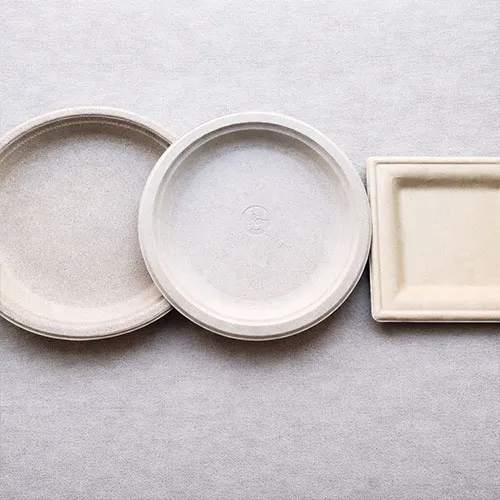
Choosing bagasse pulp for paper or molded fiber production starts with the specifications your line can accept. Brightness affects appearance; dirt count affects visible defects; moisture, beating degree and delivery format affect receiving and processing. A product description that says only “sugarcane pulp” cannot answer those purchasing questions. This guide compares Sheeon’s published specifications for […]
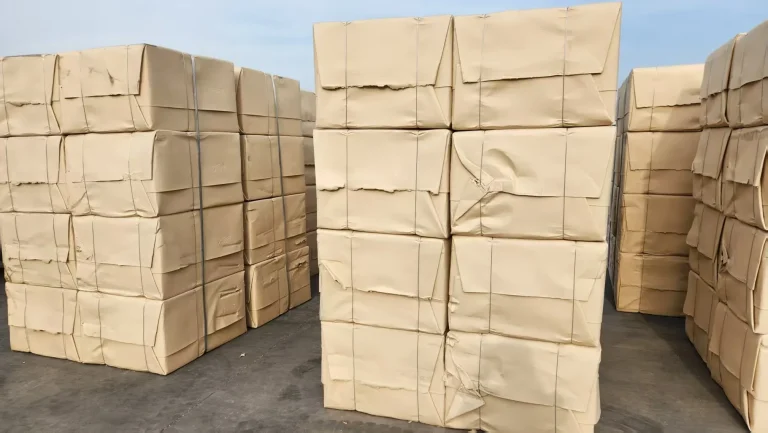
Zuckerrohrbagasse ist der faserige Rückstand, der übrig bleibt, nachdem die Zuckerrohrstängel zerkleinert wurden, um den Saft zu gewinnen. Wie jedes lignozellulosehaltige Material besteht sie hauptsächlich aus Zellulose, Hemicellulose und Lignin sowie einem nichtfaserigen Markanteil, der sich bei der Verarbeitung anders verhält als die Fasern. Deshalb ist die Zusammensetzung der rohen Bagasse entscheidend, noch bevor sie in den Aufschlussprozess gelangt.