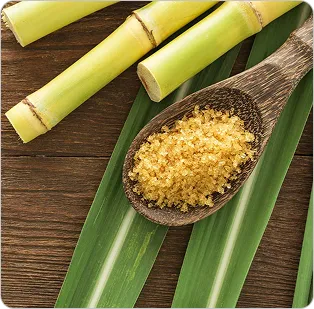
pulpe de bagasse
En savoir plus


 11:05
11:05 Sheeon Pulp Technical Team | Technical Content Team | Published: August 21, 2026
Bagasse paper plates are made by re-pulping dried pulpe de bagasse into a water slurry, forming it into plate shapes on a mesh mold, pressing out the water, hot-pressing the shape, then drying and trimming the finished piece. The input pulp’s brightness, fiber strength and dirt count set the ceiling on plate quality before molding even starts.
Manufacturers researching this process often start at the molding stage and treat the raw pulp as a fixed input. That’s backwards. A plate’s final surface color, tear resistance and food-safety profile are largely locked in by the pulp specification before it reaches the pulper — no amount of pressing or drying corrects for low tensile index or high dirt count in the starting material.
For reference, pulpe de bagasse blanchie suited to tableware production carries the following published specification:
| Paramètres | Value | Why It Matters for Plates |
| Luminosité | >80% | Determines finished plate whiteness without added whitening agents |
| Teneur en impuretés, 0,3–5,0 mm² | < 35 mm²/500 g | Visible specks on a white plate surface come directly from this figure |
| Indice de résistance à la traction | >55 N·m/g | Governs rim and wall strength once molded and dried |
| Indice de déchirement | >5.0 mN·m²/g | Affects resistance to cracking when the plate flexes under food weight |
| Indice de rafale | >4.0 kPa·m²/g | Correlates with puncture resistance against forks and sharp food edges |
| Frêne | <0.7% | Lower mineral residue reduces forming-screen clogging during molding |
| Humidité | <15% | Affects how much water the re-pulping stage needs to add back |
Step 1 — Re-Pulp the Dried Sheet Into Slurry
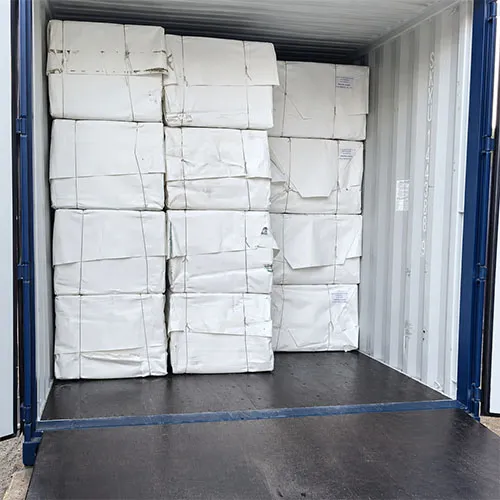
Dried bagasse pulp sheets or bales are broken apart and mixed with water in a hydrapulper until the fiber disperses into a uniform slurry, typically at a low consistency suited to pumping through a molding line. Moisture content of the incoming pulp (published at <15% for Sheeon’s bleached grade) affects how much water this stage needs to add to reach forming consistency — verify by checking that the slurry flows evenly with no visible fiber clumps before moving to the next stage.
Step 2 — Screen and Refine the Slurry
The slurry passes through screens to remove any oversized dirt particles or fiber bundles, then through a refiner to adjust fiber length and bonding potential for the mold shape being produced. Verification: pull a sample and check for visible specks against the dirt-count spec — anything above the <35 mm²/500 g threshold at this stage signals a screening problem, not a molding problem, and should be corrected before forming.
Step 3 — Form the Plate on a Mesh Mold
A shaped mesh mold is dipped into or pressed against the pulp slurry; vacuum suction draws water through the mesh, depositing a wet fiber layer in the plate’s shape and thickness. This step sets the plate’s basic geometry — rim depth, wall angle, base thickness. Verification: the formed wet part should hold its shape when lifted off the mold without tearing or slumping.
Step 4 — Transfer and Pre-Press
The wet-formed piece is transferred from the forming mold to a transfer mold and pressed to remove additional water mechanically, reducing moisture content before the piece enters the heated press. This step reduces drying time and energy use downstream. Verification: pressed weight should drop measurably compared to the as-formed piece — a lack of weight reduction indicates the press isn’t seating correctly against the part.
Step 5 — Hot-Press to Final Shape and Thickness
The pre-pressed piece goes into a heated matched-mold press, which simultaneously finishes the exact shape, compresses the fiber to final thickness, and drives off most of the remaining moisture through heat and pressure. Tensile and burst index of the starting pulp (>55 N·m/g and >4.0 kPa·m²/g respectively for Sheeon’s bleached grade) directly determine how well the piece holds together under this compression without cracking at the rim. Verification: the plate should hold a crisp, defined rim edge and show no visible cracking when removed from the press.
Step 6 — Trim Excess Material
Flash or excess fiber around the plate’s edge — left over from the forming and pressing stages — is trimmed off, usually with a die-cutting or rotary trim step, to produce the plate’s final outline. Verification: edges should be uniform in width with no ragged or uncut sections remaining.
Step 7 — Final Drying and Quality Check
Any remaining moisture is removed in a final drying stage, after which finished plates are inspected for warping, discoloration, dirt specks and rim integrity before packing. Verification: check finished plates against the target moisture spec and visually inspect a sample batch against the pulp’s dirt-count threshold — visible dark specks at this stage trace back to Step 2, not the drying process.
One misconception worth addressing directly: manufacturers new to bagasse tableware sometimes assume bleaching happens during plate production, as a finishing step similar to how some paper products are treated post-forming. It doesn’t. Bleaching happens upstream, during pulp production, before the sheet or bale ever reaches a tableware manufacturer. The brightness figure on a pulp spec sheet (>80% for pulpe de bagasse blanchie) is a property of the incoming raw material, not something the plate-molding process adds or adjusts. If a finished plate isn’t reaching expected whiteness, the fix is a different pulp grade or lot — not a change to the molding or pressing parameters.
Where Pulp Quality Limits What Molding Can Fix
What a well-specified input pulp gets you:
A: No. Brightness is set during pulp bleaching before the pulp reaches the plate manufacturer. Sheeon’s bleached bagasse pulp is published at >80% brightness as delivered; molding and pressing don’t add whiteness.
A: Most commonly, dirt count in the starting pulp exceeding spec, or an inadequate screening step (Step 2) that let contaminants through before forming. The published dirt-count threshold for Sheeon’s pulpe de bagasse blanchie is <35 mm²/500 g for the 0.3–5.0 mm² size range.
A: Seven main stages: re-pulping, screening/refining, forming, transfer/pre-pressing, hot-pressing, trimming, and final drying/quality check.
A: Not automatically. These claims are published at the pulp-supplier level; food-contact compliance for the finished molded plate depends on the specific manufacturing conditions and the regulatory framework of the market it’s sold into, and should be verified separately for the finished product.
Manufacturers evaluating a new pulp supplier for plate production should request the tear-index and ash figures specifically, not just brightness — those two numbers predict hot-press cracking and screen maintenance costs more directly than whiteness does.
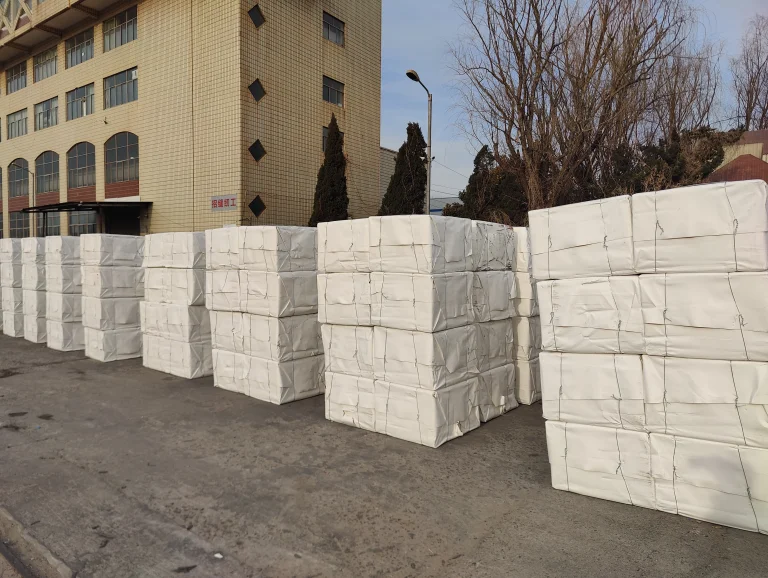
Le papier de bambou est un papier fabriqué entièrement ou partiellement à partir de pâte de bambou ; son achat implique donc de choisir une qualité de pâte. Sheeon propose une pâte de bambou blanchie d'une blancheur d'environ 85% avec des fibres de plus de 1,7 mm, et une pâte non blanchie d'une blancheur comprise entre 40 et 43% avec des fibres de plus de 2,2 mm.

Le papier de bambou est un papier fabriqué entièrement ou partiellement à partir de pâte de bambou ; son achat implique donc de choisir une qualité de pâte. Sheeon propose une pâte de bambou blanchie d'une blancheur d'environ 85% avec des fibres de plus de 1,7 mm, et une pâte non blanchie d'une blancheur comprise entre 40 et 43% avec des fibres de plus de 2,2 mm.