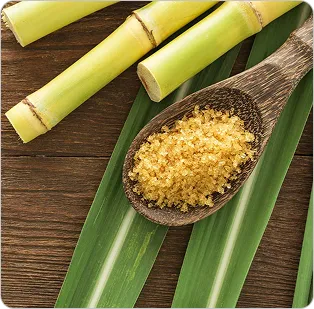
pulpe de bagasse
En savoir plus


 11:52
11:52 Plastic reduction sounds simple, but buyers still need safe material, stable pulp supply, and reliable paper performance. Poor pulp choice can cause weak molding, color issues, and high waste. Bleached bagasse pulp helps turn sugarcane residue into practical paper pulp for greener production.
La pâte de bagasse blanchie est une pâte à papier fabriquée à partir de bagasse de canne à sucre et soumise à des processus de transformation et de blanchiment afin d'obtenir une pâte plus propre et plus claire. Elle est utilisée pour la fabrication de carton à base de bagasse de qualité alimentaire, de vaisselle en fibre moulée, de papier de bagasse, de papier de soie, de papier d'emballage et d'autres produits en pâte biodégradables.
Bleached bagasse pulp is pulp made from sugarcane bagasse, the fibrous material left after sugarcane juice is extracted. FAO defines bagasse as the fibrous residue remaining after juice extraction from sugarcane, and it notes that non-wood fiber sources such as agricultural residues have shown strong promise in the pulp and paper industry.
In simple terms, sugarcane becomes sugar, and the leftover bagasse fiber can become paper pulp. When this pulp is treated with bleach, it becomes brighter and cleaner. That is why buyers often use bleached bagasse pulp for white or light-color molded pulp products, food trays, tableware plates, bowls, lids, and packaging items.
For Sheeon Pulp, bagasse pulp is not just a material. It is part of a larger eco-friendly supply system. We help paper manufacturers, disposable tableware factories, molded fiber producers, and pulp importers source stable non-wood pulp for industrial use.
Sugarcane bagasse has strong value because it is an agricultural residue. Instead of treating it as low-value waste, producers can process it into pulp. This gives the sugarcane industry a better use for its by-product and gives the paper industry another fiber source beyond wood pulp.
A review on sugarcane bagasse valorization notes that bagasse can be used in bio-based materials, including paper pulp, nanocellulose, and biocomposites. This is the core reason buyers search for sugarcane pulp, sugarcane bagasse pulp, and pulp made from sugarcane. They want useful fiber, lower waste, and a better sustainability story.
Bagasse is also practical. In many sugarcane regions, the raw material supply can be large and recurring. This does not mean bagasse is “free” or unlimited in every market. But under the right supply chain, bagasse is low-cost and inexhaustible to make paper compared with relying only on slow-growing forest fiber. For B2B buyers, that can mean better long-term sourcing flexibility.
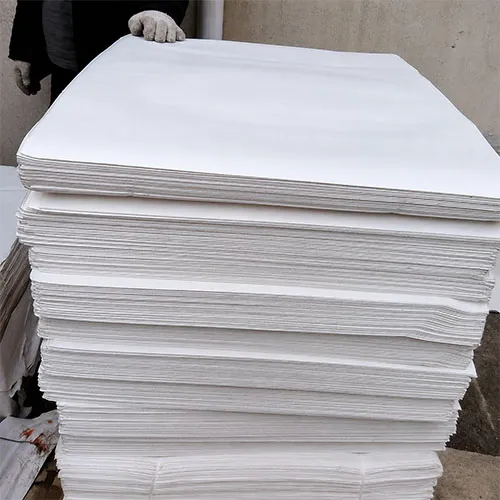
The pulping and bleaching of bagasse decides whether the finished pulp can meet the buyer’s product target. During pulping, chemicals and heat help separate usable fiber from non-fiber materials. The result may be virgin chemical pulp, or in some production lines, virgin chemical pulp bleached white for higher-brightness applications.
Bleach treatment improves the appearance of the pulp. If the final product is a white plate, white tray, tissue paper, or light-color bagasse paper, the buyer may need pulp bleached to a specific brightness. “Bleached white bagasse sugarcane pulp” is often searched by buyers who want a cleaner and more premium visual result.
However, bleach is not only about color. The process must protect fiber strength, avoid over-treatment, and support safe downstream use. A good supplier should match the bleach level to the end product. For example, biodegradable molding pulp bleached bagasse for food packaging may need different performance from pulp for paper making or kraft paper.
Bagasse pulp is popular for molded tableware because it is plant-based, renewable, and suitable for many shaped products. Research on molded pulp for food packaging notes that renewable fibers such as bagasse are used in food packaging because of their fiber properties and wide application potential.
For buyers, terms such as food grade bagasse pulp board, bagasse pulp board for tableware, sugarcane bagasse pulp food grade, and pulp board for tableware plate all point to the same need: safe, formable pulp for plates, bowls, clamshells, trays, and takeaway packaging. These products must hold shape, resist cracking, and support efficient production.
Molded fiber products also need stable pulp behavior. A bad pulp may create weak edges, poor surface quality, uneven color, or high defect rates. That is why food grade sugarcane bagasse pulp should be selected by application, not only by low price.
Common tableware applications include:
For Sheeon Pulp, this market is important because many overseas customers want biodegradable material options for food packaging and disposable tableware.
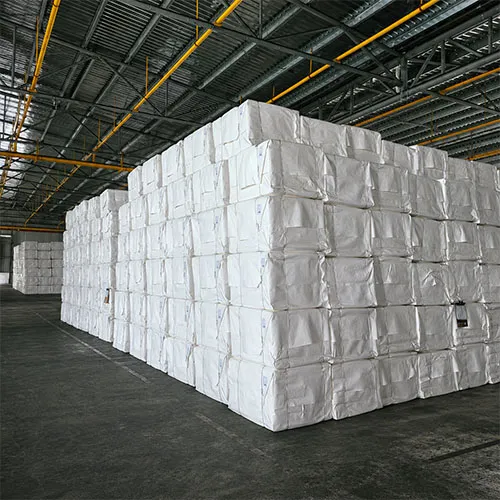
Oui. Bleached bagasse pulp can be used for bagasse paper, tissue paper, and selected packaging paper. It can also be blended with other fibers to improve paper properties. However, the formula depends on the machine, paper grade, and buyer’s required performance.
Bagasse paper may be used in office paper, printing applications, packaging, and eco-friendly paper products. Kraft paper usually needs higher strength, so bagasse pulp may be blended with kraft pulp, bamboo pulp, or wood pulp. In some products, bamboo pulp or bleached virgin bamboo pulp may be added to support softness or strength. Bagasse fiber brings renewable value, while other fibers can help balance performance.
For tissue paper, bagasse pulp may be used in certain formulas, but softness, dust, tensile strength, and absorbency must be tested. A buyer should not assume that any bagasse pulp food grade bagasse material will work for all products. Pulp for tableware and pulp for tissue paper are not always the same.
Bagasse pulp price depends on sugarcane season, bagasse supply, cleaning quality, pulping cost, bleach level, moisture, packaging, freight, and market demand. A high-quality pulpe de bagasse blanchie with low dirt count and stable brightness will normally cost more than lower-grade pulp with uneven quality.
Pulp quality depends on fiber condition, pith removal, cooking, washing, screening, and drying. In molded tableware production, researchers have found that deposits can occur during hot pressing when using bleached sugarcane bagasse pulp, showing that process control and pulp chemistry can affect production efficiency and product quality.
Before buying, paper manufacturers should check more than the unit price. They should ask for:
A low pulp price may look attractive at first. But if the pulp causes higher defects, machine downtime, or customer complaints, the real cost becomes much higher.
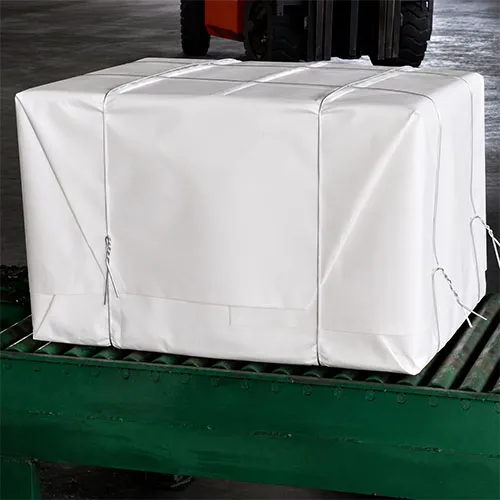
Pâte à papier Sheeon is a China-based B2B supplier focused on eco-friendly pulp and sustainable paper materials. Our product range includes bagasse pulp, bamboo pulp, wheat straw pulp, Bible paper, and stone paper. We serve paper product manufacturers, food packaging producers, disposable tableware factories, eco-friendly material brands, pulp importers, distributors, and industrial raw material purchasers.
Pour pulpe de bagasse blanchie, we help buyers choose a suitable grade bagasse pulp based on end-use needs. A molded tableware buyer may need biodegradable molding pulp bleached bagasse with stable forming performance. A buyer making premium white trays may search for molding pulp bleached bagasse sugarcane. A paper buyer may need pulp bleached bagasse sugarcane pulp for bagasse paper or packaging trials.
Sheeon Pulp can support buyers with:
Our goal is not only to supply pulp. We help buyers reduce trial risk and build better sustainable paper products.
Bleached bagasse pulp is pulp made from sugarcane bagasse and treated with bleach to improve brightness and cleanliness. It is used for molded tableware, bagasse paper, packaging paper, pulp board, and selected tissue paper applications.
Sugarcane bagasse is a by-product of sugarcane juice extraction. It can be treated as waste, but it can also become valuable raw material for pulp, paper, molded fiber, board, fuel, and other bio-based materials.
Bagasse pulp can be eco-friendly because it uses agricultural residue instead of relying only on wood pulp. Its real environmental value depends on responsible sourcing, pulping, bleaching, wastewater control, logistics, and final product design.
Bleached bagasse pulp has a lighter, cleaner color and is often used for white tableware, trays, and bagasse paper. Unbleached bagasse pulp keeps a natural brown or beige color and is often used for natural packaging and kraft-style products.
Yes. Bagasse pulp is widely used for molded fiber tableware, such as plates, bowls, trays, and takeaway boxes. Buyers should confirm food-contact requirements, product design, strength, coating needs, and supplier specifications.
Bagasse molded products can handle many hot food applications when they are properly designed and tested. However, heat resistance depends on pulp quality, product thickness, molding process, coating, and the buyer’s final use conditions.
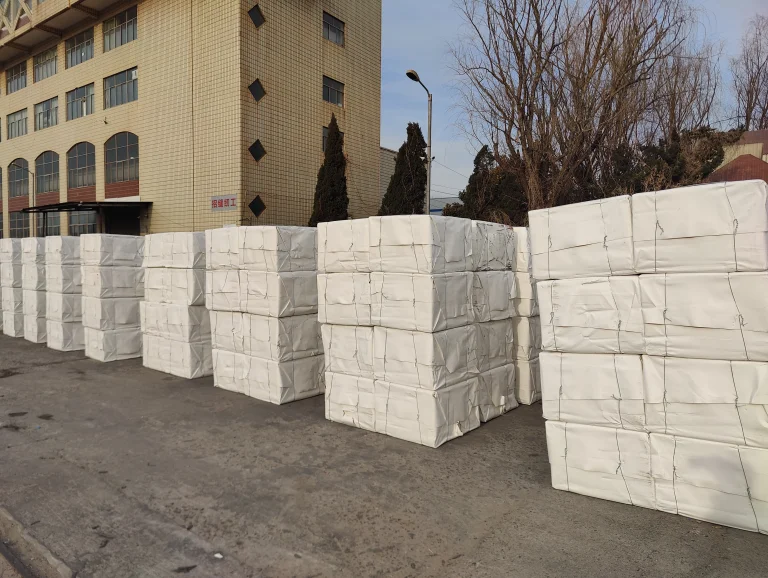
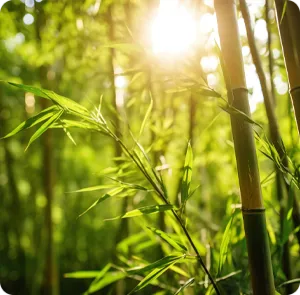
Le papier de bambou est un papier fabriqué entièrement ou partiellement à partir de pâte de bambou ; son achat implique donc de choisir une qualité de pâte. Sheeon propose une pâte de bambou blanchie d'une blancheur d'environ 85% avec des fibres de plus de 1,7 mm, et une pâte non blanchie d'une blancheur comprise entre 40 et 43% avec des fibres de plus de 2,2 mm.
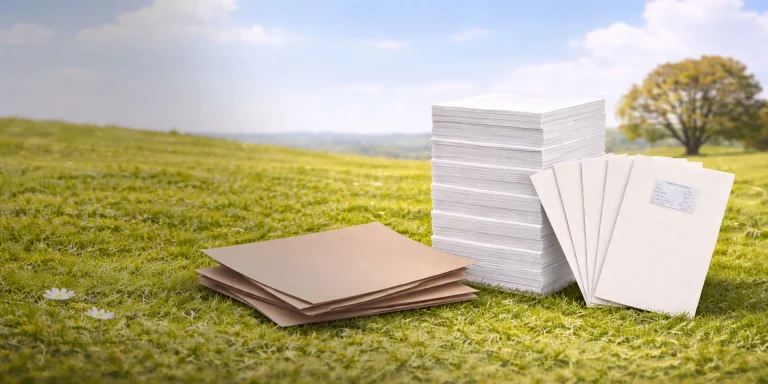
Le papier de bambou est un papier fabriqué entièrement ou partiellement à partir de pâte de bambou ; son achat implique donc de choisir une qualité de pâte. Sheeon propose une pâte de bambou blanchie d'une blancheur d'environ 85% avec des fibres de plus de 1,7 mm, et une pâte non blanchie d'une blancheur comprise entre 40 et 43% avec des fibres de plus de 2,2 mm.