bagasse pulp
Learn More


 14:05
14:05 Sheeon Pulp Technical Team | Technical Content Team | Published: August 20, 2026
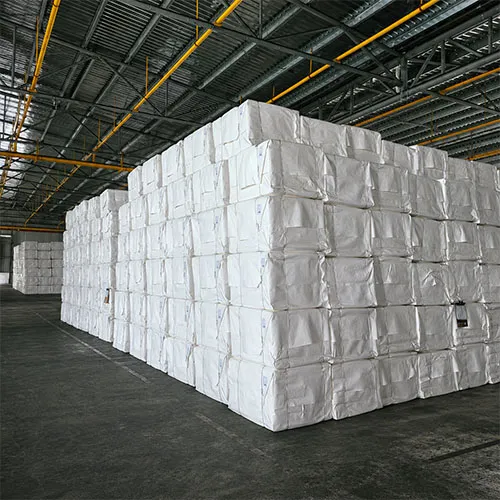
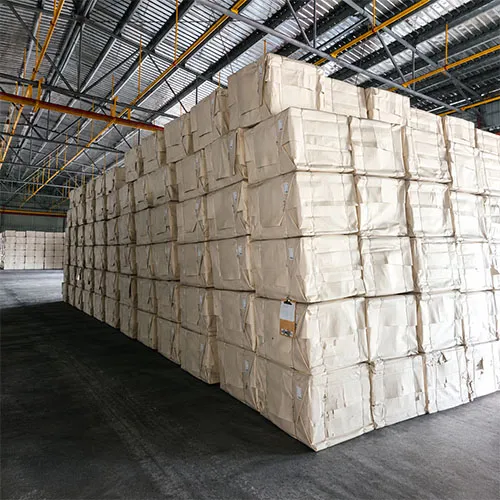
Bagasse pulp sheets come in two published formats from Sheeon: bleached sheets at 700 × 800 mm, and unbleached bales at 700 × 800 × 600 mm weighing roughly 250 kg ADMT. Which format and grade fits depends on the end use — tableware, molded packaging or paper-mill furnish — not just on price per ton.
Buyers researching “bagasse pulp sheet” often expect a single dimension standard across suppliers. That’s not how the published specs read. Sheeon’s bleached bagasse pulp is listed by sheet size only — 700 × 800 mm — with no basis weight (grammage) figure disclosed on the reviewed product pages. The unbleached grade, by contrast, publishes a basis weight range of 500–530 g/m² alongside a bale size of 700 × 800 × 600 mm and a bale weight of 250 kg ADMT.
That gap matters for freight and container planning. If your sourcing decision hinges on grammage — for example, calculating sheets per bale or bales per container — the unbleached grade gives you the numbers to work with directly. For the bleached grade, request basis weight confirmation from the supplier before finalizing a container-loading plan; don’t assume it matches the unbleached figure.
| Parameter | Bleached Bagasse Pulp | Unbleached Bagasse Pulp |
| Sheet/bale size | 700 × 800 mm (sheet) | 700 × 800 × 600 mm (bale) |
| Basis weight | Not disclosed | 500–530 g/m² |
| Bale weight | Not disclosed | 250 kg ADMT |
| Brightness | >80% | 40–43% |
| Beating degree | 22°SR | 18°SR |
| Moisture | <15% | 14 ± 2% |
| pH | 6.5–8.0 | <8.0 |
| Dirt count, 0.3–5.0 mm² | <35 mm²/500 g | <40 mm²/500 g |
The beating degree difference — 22°SR against 18°SR — is the number worth flagging to a mill’s pulping team before order confirmation. It tells you how much refining the bleached grade has already undergone relative to unbleached stock, which changes how each behaves once it hits your own beater or refiner.
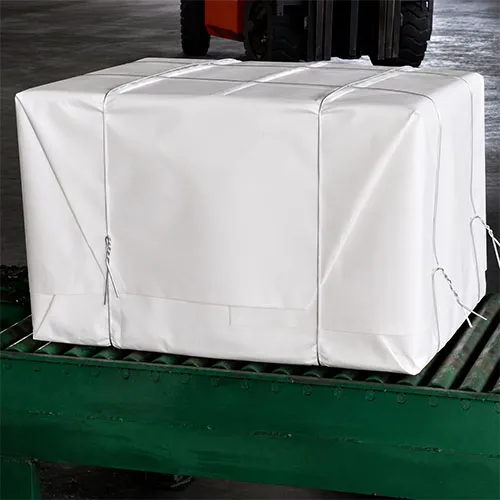
Tableware and molded fiber production. Brightness above 80% removes the need for a secondary whitening step, and 700 × 800 mm sheets are a manageable handling size for feeding into pulping tanks ahead of molding. This is the grade most disposable-tableware buyers default to, per Sheeon’s published specs.
Molded and industrial packaging. Where surface whiteness isn’t a requirement, unbleached bagasse pulp‘s 500–530 g/m² basis weight and 250 kg ADMT bale format suit bulk sourcing for cushioning, trays and non-visible packaging layers. The lower beating degree (18°SR) also means less pre-processing cost if your line does its own refining.
Paper mill furnish blending. Mills blending bagasse pulp into a broader furnish care less about sheet format and more about tensile index (>55 N·m/g bleached), tear index (>5.0 mN·m²/g) and viscosity (>550 cm³/g), since these determine how the pulp performs once mixed with other fiber sources. Sheet size becomes a logistics detail rather than a technical one at this stage.
One mix-up worth naming directly: pulp sheet basis weight is not the same figure as the grammage of the finished paper or board it produces. A 500–530 g/m² unbleached bagasse pulp bale describes the pulp sheet itself as delivered, not the GSM of whatever tableware, packaging board or paper stock a buyer eventually forms from it after repulping, refining and reforming. Treating the two as interchangeable is a frequent error in early-stage sourcing conversations, and it can throw off cost-per-finished-unit calculations if it isn’t caught before ordering.
Where the published specs help buyers:
Where buyers still need to go back to the supplier:
Sheeon states that bagasse pulp pricing depends on grade, specification, order volume, packaging and delivery requirements, and does not publish a fixed price list for bagasse pulp sheet or bale. Compared with typical marketplace listings that show a price range up front, this means buyers need to submit tonnage, grade and delivery terms to get a quote rather than compare a published number across suppliers.
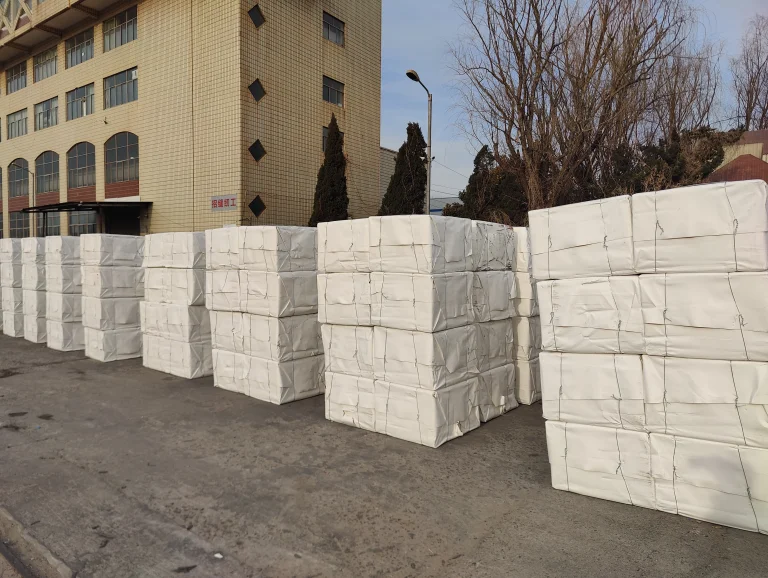
A: Sheeon’s bleached bagasse pulp ships as 700 × 800 mm sheets. The unbleached grade ships as 700 × 800 × 600 mm bales weighing approximately 250 kg ADMT — a bulkier, heavier unit intended for bulk packaging and mill-scale orders.
A: No. Only sheet size (700 × 800 mm) is listed on the reviewed pages. Basis weight is published for the unbleached grade (500–530 g/m²). Request bleached-grade grammage directly from the supplier if your calculations depend on it.
A: Not inherently — it reflects how much refining has already been done. Bleached bagasse pulp’s 22°SR against unbleached’s 18°SR mainly signals that the bleached grade has undergone more processing, which affects how much additional refining your own line needs, not overall quality.
A: Not from published sources. Pricing depends on grade, specification, order volume, packaging and delivery terms, and needs to be requested as a quote against your specific order.
Buyers weighing bleached against unbleached bagasse pulp for a mixed-fiber furnish should confirm viscosity and tear index compatibility with their existing pulp blend before committing to a bulk order — those two figures, more than sheet format, determine how cleanly the new fiber integrates.
Bamboo paper is paper made wholly or partly from bamboo pulp, so buying it means choosing a pulp grade. Sheeon publishes bleached bamboo pulp at about 85% brightness with fibers longer than 1.7 mm, and unbleached at 40–43% brightness with fibers longer than 2.2 mm.

Bamboo paper is paper made wholly or partly from bamboo pulp, so buying it means choosing a pulp grade. Sheeon publishes bleached bamboo pulp at about 85% brightness with fibers longer than 1.7 mm, and unbleached at 40–43% brightness with fibers longer than 2.2 mm.