bagasse pulp
Learn More


 13:37
Bamboo paper can be a lower-impact choice than conventional wood-pulp paper, but it is not automatically green. Its environmental profile depends on how the bamboo was grown and sourced, whether the pulp is bleached and how, and whether the supplier can document those claims with verifiable certificates.
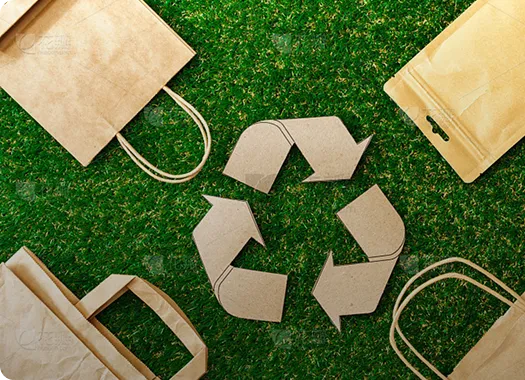
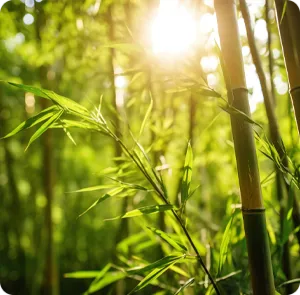
Bamboo is a grass, not a tree. Most commercially harvested species regrow from their existing root system after cutting, so a harvested stand does not need to be replanted the way a felled forest plot does. That regrowth cycle is the main reason bamboo pulp is marketed as a renewable alternative to wood pulp.
Compared with common hardwood and softwood pulp options, bamboo pulp gives paper and packaging producers a non-wood fiber source, which reduces dependence on timber harvesting for the same end product. That is a real benefit. It is also where many articles stop, and stopping there is the problem: “fast-growing raw material” says nothing about how the land was managed, how the fiber was pulped, or what chemicals were used to whiten it.
No, and this is the most common misconception buyers run into.
Retail products labeled “bamboo paper” or “bamboo tissue” may be blends of bamboo fiber with wood pulp or other fibers. The label alone rarely tells you the ratio. If the environmental argument for choosing bamboo is the reason you are buying, the fiber composition is the first thing to confirm in writing.
For pulp buyers the question is simpler, because you are buying the fiber itself. Sheeon’s Bleached and Unbleached Bamboo Pulp grades are both listed with bamboo fiber as the raw material. The blending decision then sits with the paper or tissue mill that converts the pulp, and that mill is responsible for any composition claim on the finished product.
It does not cancel it, but it changes the picture enough that bleached and unbleached pulp should not be treated as equivalent “green” options.
Bleaching adds a processing stage with its own chemical and energy inputs. Unbleached pulp skips that stage and keeps a natural brown-to-beige color. The trade-off is brightness, plus some differences in strength values, as Sheeon’s published data shows:
| Parameter | Bleached Bamboo Pulp | Unbleached Bamboo Pulp |
| Brightness | approx. 85% | 40–43% |
| Dirt count, 0.3–1.0 mm² | <25 mm²/500 g | <35 mm²/500 g |
| Dirt count, 1.0–4.0 mm² | <20 mm²/500 g | <35 mm²/500 g |
| Dirt count, >4.0 mm² | None | None |
| Tensile index | >55 N·m/g | >50 N·m/g |
| Tear index | >8.5 mN·m²/g | >8.0 mN·m²/g |
| Burst index | >5.0 kPa·m²/g | >4.5 kPa·m²/g |
| Fiber length | >1.7 mm | >2.2 mm |
Note the fiber length row. The unbleached grade is listed with longer fibers (>2.2 mm versus >1.7 mm), while the bleached grade shows higher tensile, tear and burst values. So “unbleached is weaker” is not a safe blanket assumption either; it depends on which property your product needs.
An edge case worth flagging: bleaching method matters more than the word “bleached.” Totally Chlorine Free (TCF) and elemental-chlorine-free sequences have different chemical profiles. In Sheeon‘s current product range, TCF is stated only for the wheat straw pulp grade.
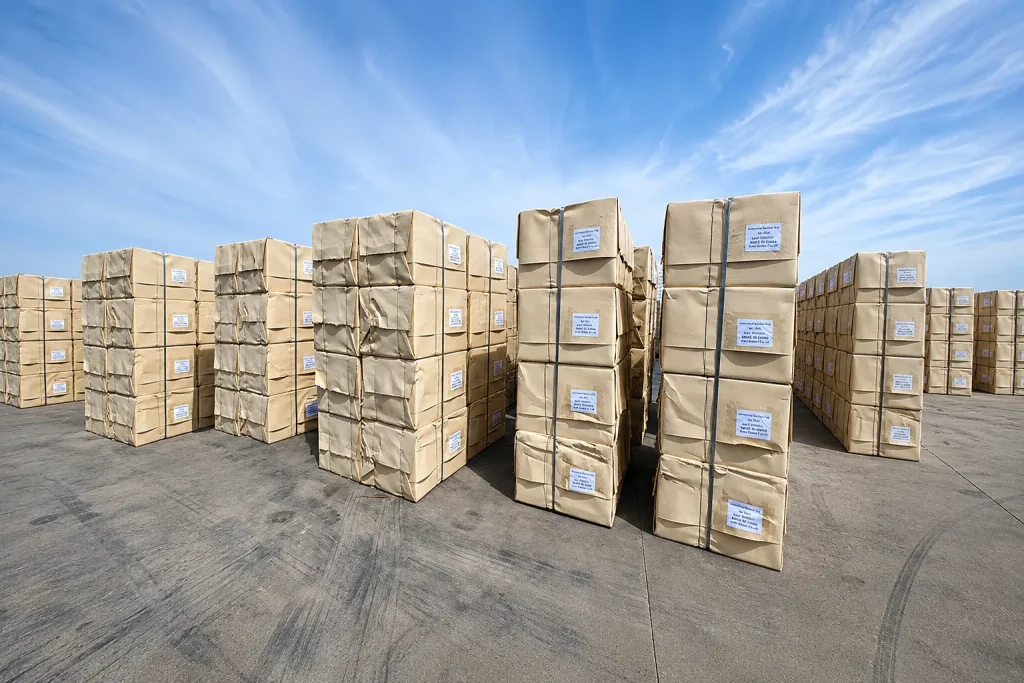
Since bleached bamboo pulp is the grade most often used where a white finished product is needed (tissue, printing papers, white food-service items), here are its full published specifications:
| Parameter | Published Value |
| Raw material | Bamboo fiber |
| Brightness | approx. 85% |
| Dirt count, 0.3–1.0 mm² | <25 mm²/500 g |
| Dirt count, 1.0–4.0 mm² | <20 mm²/500 g |
| Dirt count, >4.0 mm² | None |
| Tensile index | >55 N·m/g |
| Tear index | >8.5 mN·m²/g |
| Burst index | >5.0 kPa·m²/g |
| Viscosity | 600–800 ml/g |
| Fiber length | >1.7 mm |
Referenced test methods on the product page: GB/T 8940.2, GB/T 10740, GB/T 7982, GB/T 1548 and GB/T 10336-2002. The page lists these methods for the product overall; it does not map each method to an individual parameter, so request the per-parameter method from the supplier if your QC lab needs to replicate a test.
How do these numbers connect to sustainability? Indirectly. Strength indices (tensile, tear, burst) influence how much fiber a converter needs to hit a target strength in the finished sheet, and a stronger pulp can, in some product designs, allow a lighter basis weight.

Honest drawbacks that can change a purchasing decision:
Is bamboo paper biodegradable?
The bamboo cellulose fiber is biodegradable. Whether a finished bamboo paper product breaks down in compost depends on additives, coatings and inks applied during conversion, and compostability requires its own separate certification.
Is unbleached bamboo pulp more environmentally friendly than bleached?
It skips the bleaching stage, which removes that stage’s chemical and energy inputs. Whether it suits your product depends on brightness needs: Sheeon’s unbleached grade is listed at 40–43% brightness versus approximately 85% for the bleached grade.
Can bamboo pulp be used for food packaging?
Sheeon’s product pages reference FDA-related food-contact compliance for bamboo pulp, but certificate details are not publicly disclosed. Request documentation covering your specific application and market before using it in food-contact products.
Does choosing bamboo pulp cost more?
Pricing is available on request and depends on grade, specification, order volume, packaging and delivery requirements.
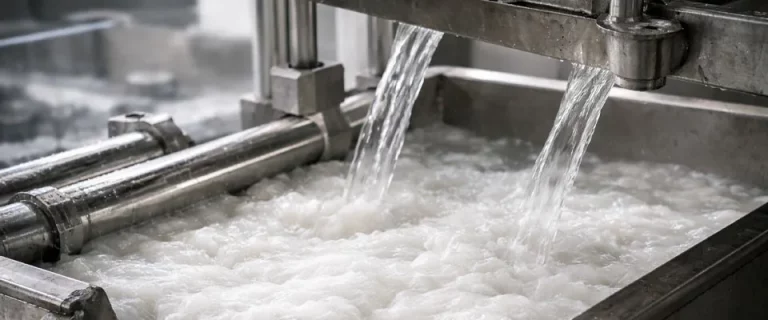
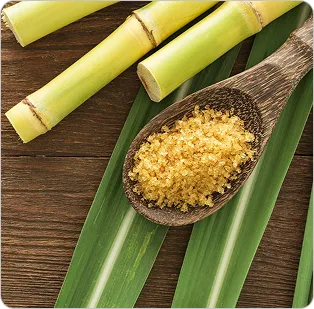
Bagasse pulp is fiber made from sugarcane bagasse, the residue left after juice extraction. Sheeon offers a bleached grade with brightness above 80% and an unbleached grade at 40–43%. Choose by brightness target, cleanliness limits and strength data, then verify certificates and test samples before committing to volume. What sugarcane bagasse pulp is Sugarcane bagasse […]

Bamboo paper is made from bamboo fiber; tree paper is made from wood pulp. Neither wins outright, because performance depends on the pulp grade. Sheeon’s bleached bamboo pulp publishes brightness near 85% and fiber length above 1.7 mm, which gives buyers fixed numbers to test any virgin wood pulp against. Where the fibers come from […]