bagasse pulp
Learn More


 13:49
13:49 Sheeon Pulp Technical Team | Published 2026-09
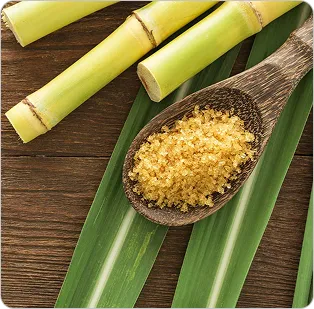
Bagasse pulp is sugarcane fiber pulp, and most of what gets made from it falls into three categories: molded fiber tableware, protective or industrial packaging, and furnish for paper mills producing packaging board. This list works through each, using published product specifications rather than marketing copy.
This is the application most people picture when they hear “bagasse pulp,” and it’s a real one. Molded fiber converters pulp bagasse fiber into wet-formed molds, press and dry it, and ship finished disposable tableware. Brightness matters here because buyers judge tableware visually before they judge it functionally — a plate with visible fiber flecking or grey tone reads as lower quality even if it performs fine.
Sheeon’s published case data shows bagasse pulp orders tied specifically to disposable paper products and molded fiber manufacturing, alongside broader paper packaging use — not tableware in isolation.
Molded fiber isn’t only food-service. The same wet-molding process produces protective packaging: egg trays, produce trays, electronics inserts, and industrial cushioning components that replace expanded polystyrene. Here the specs that matter shift — tensile and tear index carry more weight than brightness, since the part needs to survive drop and compression testing rather than look good on a table.
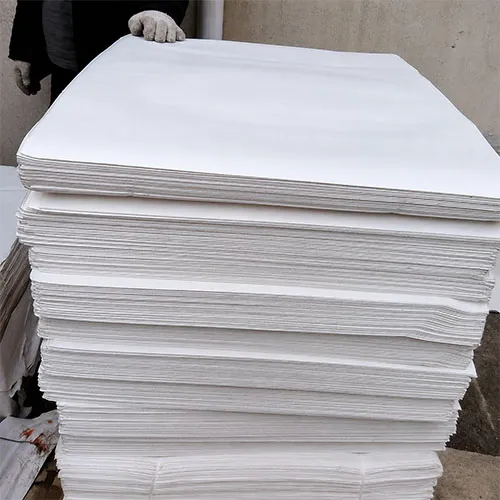
Bagasse pulp also goes into paper mills as furnish for packaging board — corrugated liner, folding cartons, and similar converted paper packaging. This is a bulk, spec-driven purchase: mills buy pulp in bale form against a fixed parameter sheet (brightness, dirt count, tensile index, moisture) and run it through existing paper machines rather than a molding line.
Beyond packaging-specific board, bagasse pulp functions as a wood-pulp alternative in broader paper manufacturing — a fiber source pulp and paper mills blend into their furnish where an alternative-fiber sourcing story matters to their own customers. This is less a single “product” and more a raw-material relationship: the mill buys pulp, not a finished good, and Sheeon’s role ends at delivering pulp meeting an agreed spec.
A lot of marketing content treats “bagasse pulp” and “sugarcane straws” as nearly synonymous. Straws are a real but narrow niche within molded and extruded fiber products. The case data behind this article — orders tied to paper packaging, molded fiber, and disposable paper products — points to tableware and packaging as the dominant volume categories, not straws specifically. If a supplier’s entire pitch is straws, that’s a narrower slice of what bagasse pulp actually gets used for.
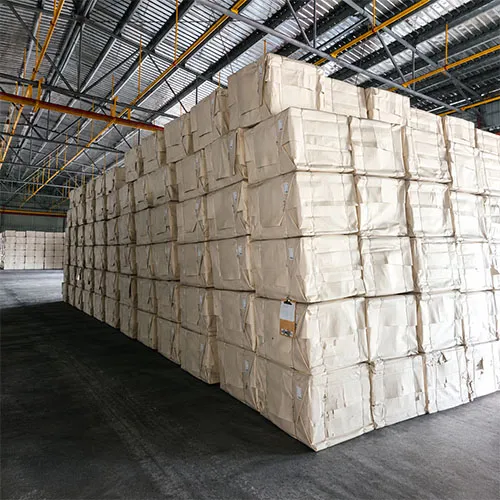
Bleached Bagasse Pulp is the grade behind most of the applications above, and its published specification set explains why it fits some of them better than others:
| Parameter | Published Spec | Relevant To |
| Brightness | >80% | Tableware (visual quality), printing/writing furnish |
| Tensile index | >55 N·m/g | Packaging board, molded fiber structural strength |
| Tear index | >5.0 mN·m²/g | Protective packaging, drop/compression resistance |
| Burst index | >4.0 kPa·m²/g | Carton and board applications |
| Dirt count (0.3–5.0 mm²) | <35 mm²/500 g | Tableware and food-contact-adjacent products |
| Ash | <0.7% | Molded fiber consistency during pressing |
| Sheet size | 700 × 800 mm | Standard bale/sheet handling for mill intake |
These figures reflect GB/T and QB/T test methods referenced on Sheeon’s product pages (GB/T 8940.2, GB/T 7974, GB/T 10740-1989, QB/T 3704, GB/T 1548, GB/T 742, GB/T 8944.1, GB/T 3332-2004) — worth requesting the underlying test report for a given lot rather than treating the range as a guarantee.
Against conventional wood pulp, bagasse pulp’s main pitch is fiber sourcing — it’s a byproduct of sugarcane processing rather than a purpose-grown tree crop, which is the argument buyers usually raise when they’re building a sustainability narrative for their own customers. Against plastic tableware and packaging, the comparison is less about raw material properties and more about end-of-life handling and regulatory pressure in markets restricting single-use plastics. Neither comparison is a strict performance upgrade in every dimension — bagasse-based molded fiber typically costs more per unit than plastic and has different moisture-resistance behavior, which is why packaging engineers test it against their specific product before switching a line over.
Molded fiber tableware and packaging made from bagasse pulp compost or recycle more readily than plastic equivalents, and the fiber source avoids competing with virgin wood pulp demand. Against that: bagasse-based products generally need more moisture-barrier engineering for wet or greasy foods than plastic does, and supply is tied to sugarcane processing seasons in producing regions, which can affect lead times differently than a year-round wood-pulp supply chain. Buyers running high-volume converting lines should ask about lot-to-lot consistency data, not just the published spec range, since a wide brightness or dirt-count band can still cause line problems even when every lot technically passes.
A: No. Published case activity around Sheeon’s bagasse pulp shows orders tied to disposable paper products, molded fiber manufacturing, and general paper packaging — straws are one narrow application within a broader molded-fiber and packaging category.
A: Bleached Bagasse Pulp’s published spec range covers both use cases, but the parameters that matter shift — brightness and dirt count matter more for visible tableware, while tensile and tear index matter more for structural packaging. Converters typically request lot data against the parameter that matters most for their line.
A: Sheeon’s product pages reference FDA-related food-contact language as a website claim, without a published certificate number. Buyers intending food-contact use should request the specific documentation and issuing body before finalizing an order rather than relying on the general claim.
A: Pricing depends on grade, specification, order volume, packaging, and delivery requirements, and isn’t published as a fixed rate — it’s quoted per inquiry.
Buyers evaluating a specific end use — tableware versus packaging board versus mill furnish — will get more out of matching their line’s actual test requirements against the spec table above than the brightness number alone.
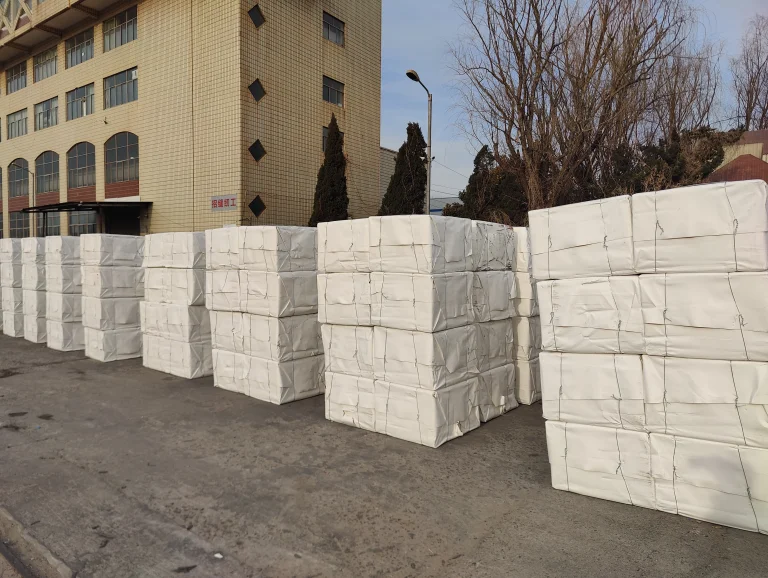
Bamboo paper is paper made wholly or partly from bamboo pulp, so buying it means choosing a pulp grade. Sheeon publishes bleached bamboo pulp at about 85% brightness with fibers longer than 1.7 mm, and unbleached at 40–43% brightness with fibers longer than 2.2 mm.

Bamboo paper is paper made wholly or partly from bamboo pulp, so buying it means choosing a pulp grade. Sheeon publishes bleached bamboo pulp at about 85% brightness with fibers longer than 1.7 mm, and unbleached at 40–43% brightness with fibers longer than 2.2 mm.