polpa de bagaço
Saiba mais


 14:09
14:09 Sheeon Pulp Technical Team | Published 2026-09
Pasta de bambu comes in two commercial grades — bleached (roughly 85% brightness) and unbleached (40–43% brightness) — and the grade you choose depends on whether your line needs visual whiteness or bulk fiber strength. This guide breaks down both against tissue, printing and writing paper requirements.
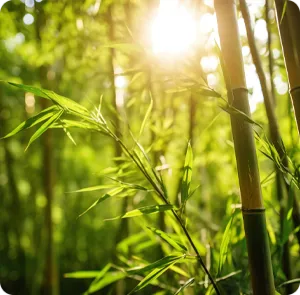
Bamboo grows faster than most wood species used for pulp, and mills sourcing it are usually looking for an alternative to conventional wood pulp rather than a drop-in replacement with identical fiber behavior. The fiber itself runs shorter than long-fiber softwood pulp but produces a denser, smoother sheet — which is part of why it shows up so often in tissue and fine-paper furnish rather than heavy packaging board.
Most manufacturer sites covering bamboo pulp describe the process (harvesting, pulping, bleaching) in general terms without publishing a usable spec table. That’s the gap this guide is built to close — every claim below ties to a parameter, not an adjective.
| Parâmetro | Pasta de bambu branqueada | Pasta de bambu não branqueada |
| Brilho | ~85% | 40–43% |
| Quantidade de impurezas, 0,3–1,0 mm² | <25 mm²/500 g | <35 mm²/500 g |
| Contagem de impurezas, 1,0–4,0 mm² | <20 mm²/500 g | <35 mm²/500 g |
| Quantidade de impurezas, >4,0 mm² | Nenhum | Nenhum |
| Índice de resistência à tração | >55 N·m/g | >50 N·m/g |
| Índice de rasgo | >8,5 mN·m²/g | >8,0 mN·m²/g |
| Índice de rajadas | >5,0 kPa·m²/g | >4,5 kPa·m²/g |
| Viscosidade | 600–800 ml/g | Não publicado |
| Comprimento da fibra | >1,7 mm | >2,2 mm |
Two things stand out here. First, polpa de bambu não branqueada actually has a longer minimum fiber length than the bleached grade — the bleaching process appears to shorten fiber somewhat, which matters if your furnish depends on fiber length for formation strength. Second, tear and burst index don’t drop off nearly as much between grades as brightness does, so a mill choosing unbleached for cost reasons isn’t giving up much structural performance.
Both grades reference the same published test methods: GB/T 8940.2, GB/T 10740, GB/T 7982, GB/T 1548 and GB/T 10336-2002.
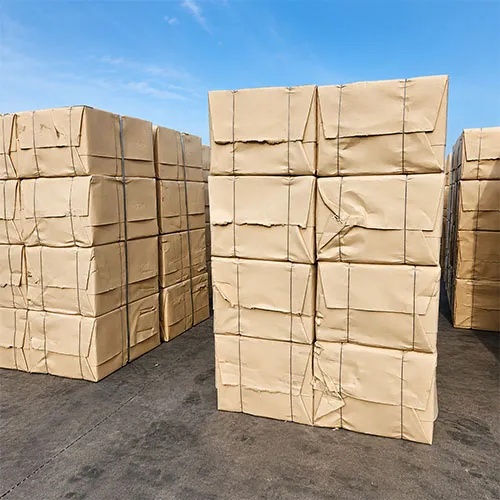
Tissue and household paper
Tissue mills generally want softness and a clean visual finish, which points toward bleached bamboo pulp’s ~85% brightness and lower dirt count in the fine (0.3–1.0 mm²) range. The shorter fiber length here isn’t a drawback for tissue — shorter fiber actually helps with the bulk and softness tissue converters are after, unlike printing or writing grades where fiber length supports sheet strength.
Papel para impressão e escrita
This is where the tensile and burst index numbers carry more weight than brightness alone. Pasta de bambu branqueada‘s >55 N·m/g tensile index and >5.0 kPa·m²/g burst index support the runnability printing and writing lines need on high-speed presses. Mills blending bamboo pulp into a wood-pulp furnish for printing paper typically use it as a percentage of the mix rather than a full substitute, since wood pulp still anchors most sheet-formation properties.
Where unbleached bamboo pulp fits instead
Polpa de bambu não branqueada isn’t a tissue or fine-paper input — its 40–43% brightness rules that out. It’s a better match for board and packaging-adjacent paper applications where brightness is secondary to tensile and tear performance, or as furnish for products that will be bleached or coated further downstream by the buyer.
It isn’t, at least not as a straight swap. Bamboo fiber’s shorter length compared to long-fiber softwood pulp changes sheet formation behavior — mills that blend it in without adjusting furnish ratios sometimes see formation or strength issues they then attribute to the pulp rather than the blend ratio. Treating bamboo pulp as an alternative fiber source to be tuned into a furnish, rather than a one-to-one wood pulp replacement, avoids most of that trial-and-error.
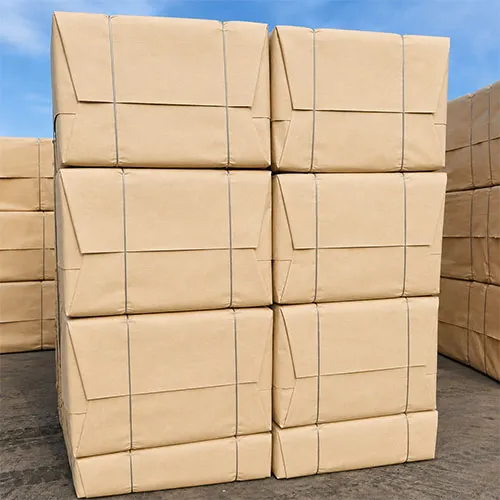
Bamboo pulp is one of the few product lines in Sheeon’s catalog where FSC is listed as a certification claim, alongside CE and SGS. The Forest Stewardship Council maintains a public certificate database, and it’s worth checking a supplier’s exact certificate holder name, code, scope and status there before treating an FSC claim as settled — certificate numbers, scopes and validity periods aren’t things a website claim alone can confirm.
The same caution applies to FDA-related food-contact language referenced on bamboo pulp product pages: that’s a website claim, not a substitute for a product-specific authorization or test report. For mills sourcing bamboo pulp destined for food-contact tissue or packaging, request the certificate number and issuing body directly rather than relying on the general statement.
Bamboo’s faster growth cycle compared to typical wood-pulp forestry gives mills a sourcing story that resonates with buyers building their own sustainability positioning, and the fiber’s tensile and burst numbers hold up reasonably well even in the unbleached grade. Against that, mills should weigh two real constraints: bamboo pulp’s fiber length runs shorter than long-fiber wood pulp, so furnish ratios need tuning rather than direct substitution, and viscosity data — a proxy for pulp degradation and cooking consistency — isn’t published for the unbleached grade at all, which means mills relying on viscosity for process control will need to request lot-specific data separately.
Most bamboo pulp listings on general B2B marketplaces describe the pulping and bleaching process in broad strokes and stop short of publishing a full parameter table across both grades. That makes side-by-side grade comparison — the table above — harder to do without directly requesting spec sheets from multiple suppliers first, which is usually the actual first step in a bamboo pulp sourcing project regardless of which supplier a mill ends up choosing.
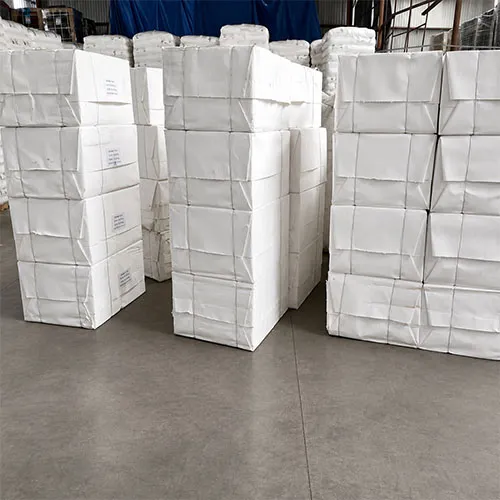
A: They’re typically ordered and used as separate grades for different applications rather than blended together, since their brightness and dirt-count profiles serve different end products. A mill running both tissue and board lines would order each grade separately against its own furnish requirements.
A: Sheeon lists FSC as a website claim for bamboo pulp specifically, but certificate numbers and scope aren’t published. Verify the certificate holder name and status against the FSC public certificate database before relying on the claim for a specific order.
A: The published minimum is >2.2 mm, longer than the bleached grade’s >1.7 mm minimum.
A: Pricing depends on grade, specification, order volume, packaging and delivery terms and is quoted on request rather than published as a fixed range.
Mills evaluating bamboo pulp for the first time will get more out of running a small furnish trial against their existing formation-strength targets than reading brightness and tensile numbers in isolation — the two grades behave differently enough that the right one usually comes down to which property (whiteness or fiber length) the finished product actually needs.
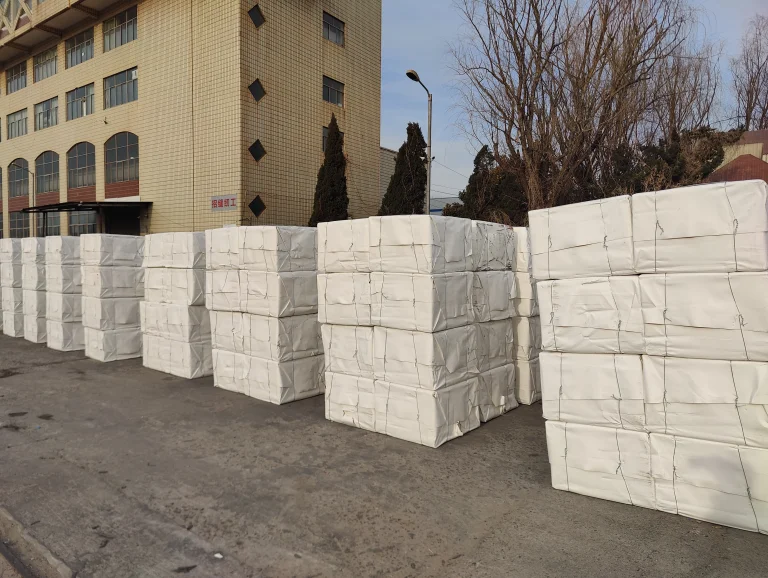
O papel de bambu é um papel fabricado total ou parcialmente a partir de polpa de bambu, pelo que comprá-lo significa escolher um tipo de polpa. A Sheeon comercializa polpa de bambu branqueada com um brilho de cerca de 85% e fibras com mais de 1,7 mm, e polpa não branqueada com um brilho de 40–43% e fibras com mais de 2,2 mm.

O papel de bambu é um papel fabricado total ou parcialmente a partir de polpa de bambu, pelo que comprá-lo significa escolher um tipo de polpa. A Sheeon comercializa polpa de bambu branqueada com um brilho de cerca de 85% e fibras com mais de 1,7 mm, e polpa não branqueada com um brilho de 40–43% e fibras com mais de 2,2 mm.