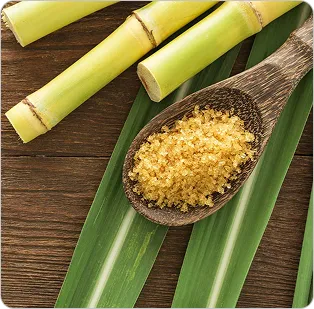
целлюлоза из багассы
Узнать больше


 10:44
10:44 Many buyers want greener paper products, but normal paper can feel too common, weak around water, and hard to differentiate. If your brand needs a smoother, stronger, tree-free material story, stone paper offers a practical option for notebooks, stationery, and specialty paper products.
Каменная бумага — это альтернатива бумаге на минеральной основе, которая обычно изготавливается из карбоната кальция и нетоксичной смолы. Её используют для производства водонепроницаемых тетрадей, дневников в твёрдом переплёте, альбомов для рисования, блокнотов, этикеток, упаковки и канцелярских товаров, поскольку она гладкая, прочная, водостойкая и подходит для создания экологически чистых продуктов.
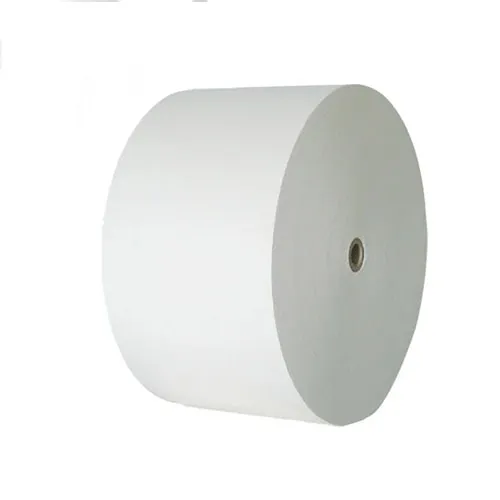
Каменная бумага is a paper-like material made mainly from mineral powder instead of wood fiber. The main mineral is usually calcium carbonate, which is often found in limestone and stone processing byproducts. After being mixed with resin, the material can be made into sheets, rolls, notebooks, labels, bags, packaging, and other paper-like products.
For B2B buyers, the value is not only “eco-friendly.” The real value is product differentiation. A stone paper notebook feels different from a normal notebook. It has a smooth surface, strong water resistance, and a premium touch. This makes it useful for brands that want to sell something more memorable than ordinary traditional paper products.
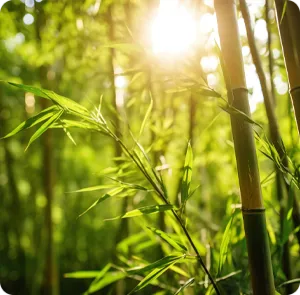
At Sheeon Pulp, we see stone paper as one part of a wider sustainable material system. Some customers choose bagasse pulp for molded tableware. Some choose bamboo pulp for soft paper products. Some choose stone paper for waterproof stationery, durable notebooks, and specialty packaging. Different materials solve different problems.
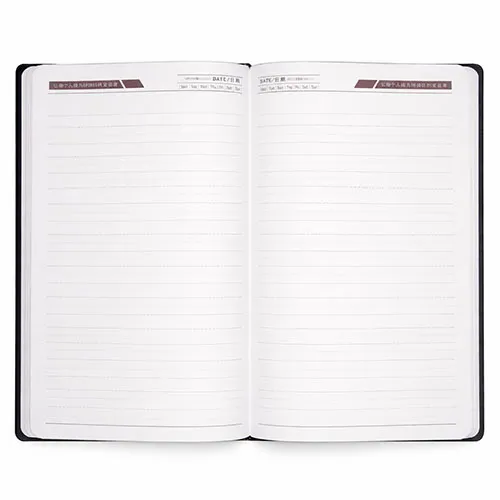
A waterproof notebook is useful because people use notebooks in real life, not in perfect conditions. Coffee spills. Rain happens. Bags get wet. Outdoor workers, students, designers, engineers, travelers, and field staff all need writing products that can handle daily accidents.
Stone paper can help create a fully waterproof or strongly water-resistant notebook product, depending on the sheet, cover, printing, and binding design. A waterproof notebook can be positioned for outdoor notes, travel journals, lab records, restaurant order pads, field inspections, and premium stationery gifts.
For B2B buyers, this opens several product directions:
A stone paper notebook is not only a writing product. It is also a brand message. It tells customers that your company cares about material innovation, product durability, and better user experience.
Каменная бумага and traditional paper are not the same. Traditional paper is usually made from plant fiber pulp, such as wood pulp, bamboo pulp, or other fiber sources. Stone paper is a mineral paper made from mineral powder and resin. Because of this, the two materials feel and perform differently.
| Feature | Каменная бумага | Traditional Paper |
|---|---|---|
| Main material | Mineral powder + resin | Plant fiber pulp |
| Surface feel | Very smooth, often velvety | Can be smooth or textured |
| Water resistance | Stronger in most cases | Usually weak unless coated |
| Tear resistance | Often stronger | Depends on fiber and thickness |
| Ink absorption | Lower absorption | Higher absorption |
| Writing feel | Smooth and friction-free | More natural paper texture |
| Product image | Modern, tree-free, innovative | Familiar, classic, widely used |
Stone paper is often durable than traditional paper in daily handling. It can resist tearing and water better than many normal papers. It can also offer a smooth writing experience, especially for users who like a friction-free surface.
But this does not mean stone paper replaces all paper. Some printing, folding, recycling, or writing applications may still be better with fiber paper. The right decision depends on the product, customer group, and target market.
The first thing most users notice is the surface. Stone paper feels smooth, soft, and almost velvety. A pen can glide across it easily, creating a clean and comfortable writing feel. For many users, this makes the notebook feel more premium than standard office paper.
Because каменная бумага has lower absorbency, ink behavior must be tested. Some pens work very well. Some wet inks may need more drying time. Ballpoint pens, gel pens, roller pens, and markers may all behave differently. For example, a heavy marker may sit on the surface longer before drying.
A buyer should test:
For many notebook buyers, a key selling point is that stone paper often doesn’t bleed like thin paper. This makes it attractive for notebooks, planners, notepads, and creative writing products.
Stone paper can support a sustainable material story, but buyers should use careful language. It may be recyclable, depending on the local recycling system and material composition. It is not always recycled in the same stream as normal paper because it contains resin.
For B2B buyers, this is important. Do not overpromise. Instead of saying “100% recyclable everywhere,” it is safer to say that the material can be developed as a recyclable stone paper product when the correct recycling path is available.
A careful claim structure may look like this:
Some buyers may ask if stone paper is biodegradable or photodegradable. These claims should only be used when supported by valid test documents for the target market. Different countries and buyers may require different proof.
The safest B2B approach is simple: build a strong product, use honest language, and prepare proper documents.
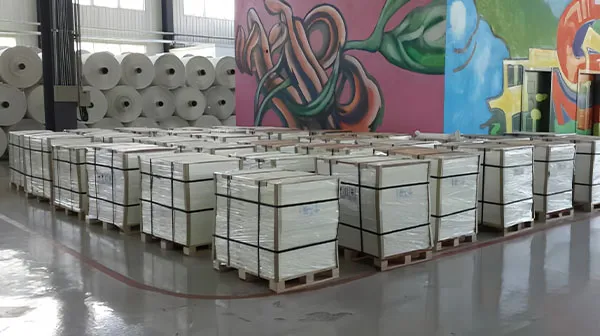
Каменная бумага is widely associated with notebooks, but its use can go beyond writing products. Because it is smooth, water-resistant, and tear-resistant, it can support many specialty paper and packaging applications.
Possible applications include:
For example, a restaurant brand may need a waterproof menu. A travel brand may need a durable notebook. A gift company may need a tree-free stationery set. A packaging company may want a material that feels different from normal paper.
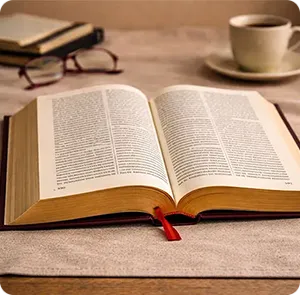
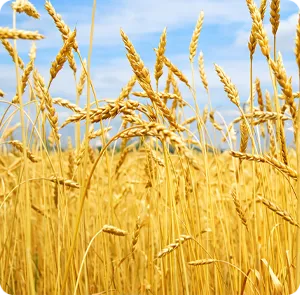
This is where Sheeon Pulp can support buyers. We do not look at stone paper as a single product only. We see it as part of a larger material selection plan that may also include bagasse pulp, bamboo pulp, wheat straw pulp, Bible paper, and other specialty paper materials.
Шион Палп is a China-based B2B supplier focused on eco-friendly pulp and sustainable paper materials. Our business direction includes non-wood pulp and specialty paper products such as bagasse pulp, bamboo pulp, wheat straw pulp, Bible paper, and stone paper.
We serve overseas buyers who need practical material solutions, not only product descriptions. Our customers include paper product manufacturers, food packaging producers, disposable tableware factories, printing and publishing buyers, eco-friendly material brands, pulp and paper importers, distributors, and industrial raw material purchasers.
For stone paper-related projects, Sheeon Pulp can support:
Our goal is to help buyers choose the right material for the right product. If your project needs waterproof notebooks, hardcover journals, sketchbooks, or eco-friendly stationery, stone paper may be a strong option. If your project needs food packaging, molded trays, or disposable tableware, bagasse pulp or bamboo pulp may be more suitable.
This is the value of working with a supplier that understands multiple sustainable material routes.
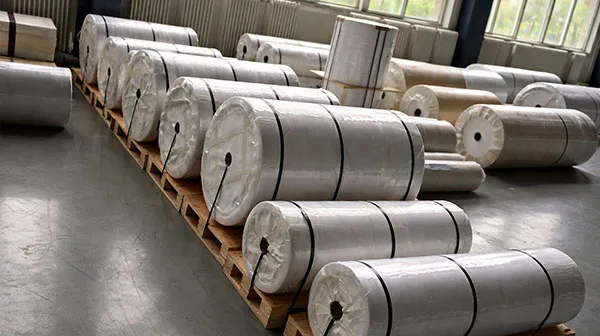
Before contacting a каменная бумага supplier, prepare a few details. This will make communication faster and more accurate.
You can prepare:
If you are not sure about the specification, you can start with the application. A good supplier can help you narrow the material direction.
Каменная бумага is a mineral-based paper alternative made mainly from mineral powder and resin. It can be used for notebooks, labels, bags, packaging, and other specialty paper products.
Stone paper is usually highly water-resistant and can be used for waterproof notebook and notepad products. However, buyers should test the full finished product, including cover, binding, printing, and packaging.
Yes. Stone paper can be used for hardcover notebooks, softcover notebooks, sketchbooks, artists pads, notepads, and custom stationery products.
Stone paper may be recyclable under suitable recycling systems, but it should not always be treated like normal paper. Buyers should confirm the correct recycling route for their target market.
Шион Палп supports B2B buyers with sustainable paper material selection, stone paper-related sourcing, OEM/ODM discussion, export communication, and long-term supply planning.
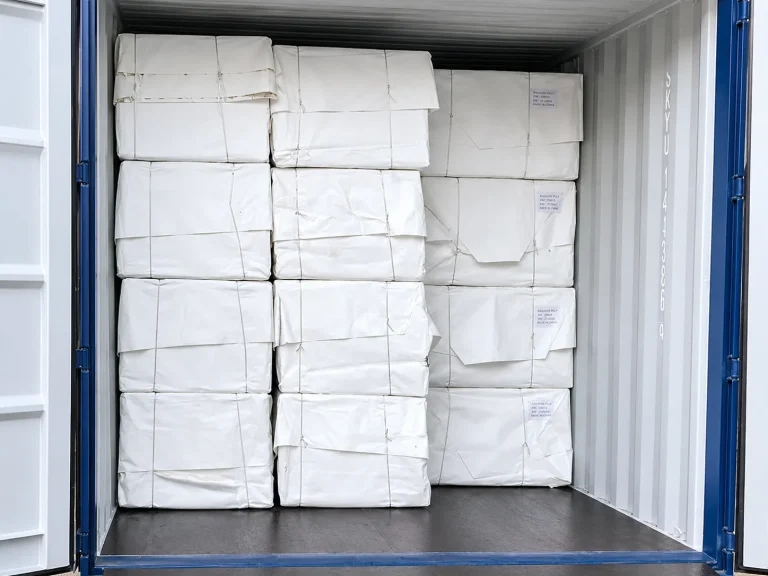
Bleached bagasse pulp is paper pulp made from sugarcane bagasse and treated through pulping and bleaching to create a cleaner, brighter pulp. It is used for food grade bagasse pulp board, molded fiber tableware, bagasse paper, tissue paper, packaging paper, and other biodegradable pulp products.
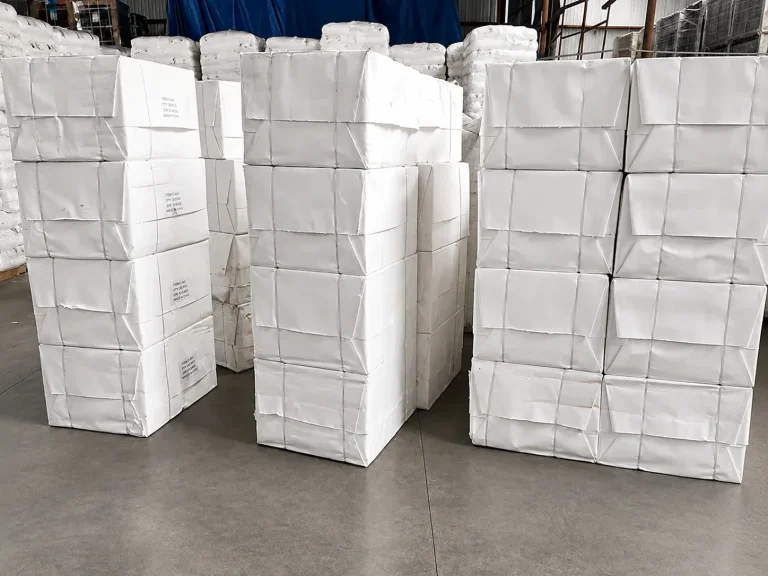
Bleached bamboo pulp is paper pulp made from bamboo and treated through a bleach or bleaching process to improve brightness, cleanliness, and appearance. It is widely used for tissue paper, bamboo toilet paper, facial tissue, bamboo paper, copy paper, printing paper, and other paper products where white color and stable pulp quality matter.