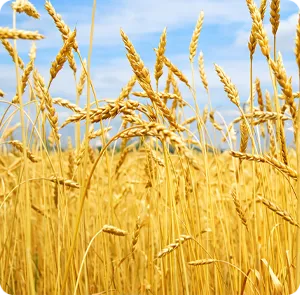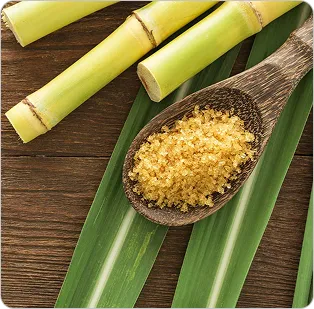
küspe posası
Daha Fazla Bilgi


 16:53
16:53 Wood pulp supply can be costly, unstable, and hard to match with sustainability goals. Paper mills need strong fiber choices that still support greener branding. Bamboo pulp gives buyers another practical route: a renewable non-wood paper pulp for tissue, printing, packaging, and bamboo paper.
Bambu hamuru is made by harvesting bamboo, cutting it into bamboo chips, cooking the chips through chemical pulping, washing, screening, bleaching or keeping it unbleached, drying, and forming pulp sheets. This paper pulp can be used to make bamboo paper, tissue paper, printing paper, packaging paper, and specialty paper products.
As a China-based B2B supplier of eco-friendly pulp and sustainable paper materials, Sheeon Pulp supplies bamboo pulp together with bagasse pulp, wheat straw pulp, Bible paper, stone paper, and related paper solutions. We help paper mills, tissue manufacturers, packaging producers, importers, and distributors choose stable pulp for global paper manufacturing projects.
Bamboo pulp is one kind of paper pulp made from bamboo. It is a non-wood pulp material used in the pulp and paper industry. Like wood pulp, straw pulp, or reed pulp, bamboo pulp provides fibers that can be turned into paper.
In paper manufacturing, pulp is the basic fiber material. When a paper mill wants to make bamboo paper, tissue paper, printing paper, or packaging paper, it needs pulp fibers that can bond together and form a sheet. Bamboo fiber can do this well when it is properly processed.
According to Sheeon Pulp’s product information, bleached bamboo pulp and unbleached bamboo pulp are sustainable pulp materials made from natural bamboo resources such as moso bamboo, nanzhu, and cizhu. This makes bamboo pulp an important product in Sheeon’s non-wood pulp portfolio.
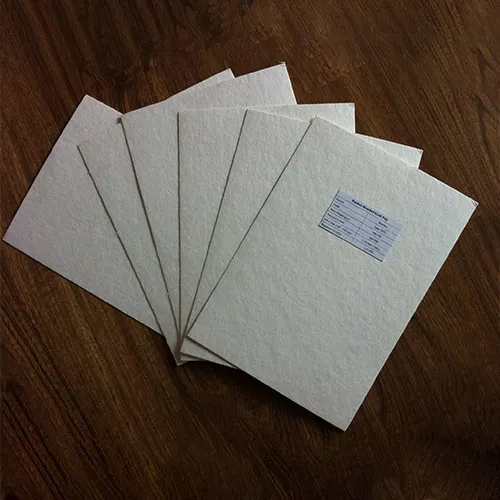
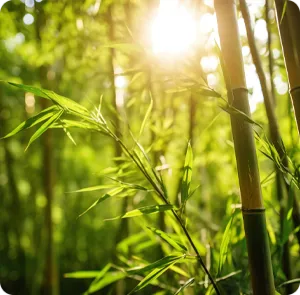
Bamboo is used to make paper pulp because it has useful fiber structure, fast renewability, and wide industrial value. Bamboo is a woody grass, not a tree. Britannica notes that bamboo is a fast-growing perennial, and some species can grow very quickly under suitable conditions.
For buyers, this makes bamboo attractive as a raw material for paper pulp. It can reduce total dependence on wood pulp and help paper mills develop more sustainable paper product lines. Bamboo is also widely recognized by FAO as a non-wood forest product used for pulp and paper, fiber, crafts, utensils, and other applications.
Bamboo is not magic. It still needs responsible sourcing, good pulping, quality control, and proper logistics. But when managed well, bamboo pulp can support a strong material story: fast-growing plant fiber made into practical paper products.
The bambu hamuru making process starts with bamboo raw material. The bamboo is harvested, cut, chipped, cooked, washed, screened, and processed into pulp. After that, the pulp may be bleached or kept unbleached depending on the final paper application.
A simple bamboo pulp making process looks like this:
Bamboo Harvesting
↓
Cutting and Chipping
↓
Bamboo Chips Cleaning
↓
Chemical Cooking
↓
Pulp Washing
↓
Screening and Cleaning
↓
Arıtma
↓
Bleaching or Unbleached Processing
↓
Drying and Pulp Sheet Forming
↓
Packing and Delivery to Paper Mill
To make paper pulp from bamboo, the factory must break down the bamboo chips and separate useful fibers from lignin and other non-fiber materials. The goal is to create clean pulp that can run well on a paper machine.
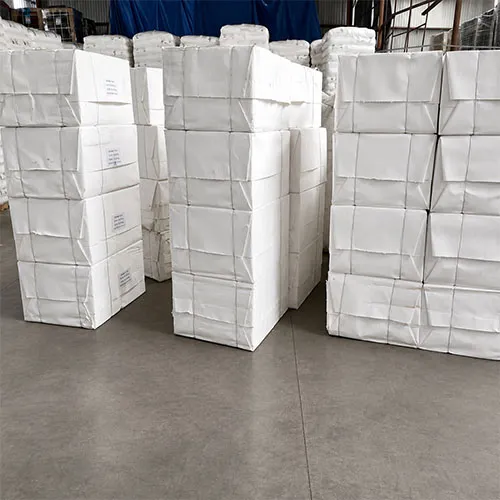
Ağartılmış bambu hamuru is processed to improve whiteness. It is often used when the buyer needs clean, bright, or premium-looking paper. Bleached bamboo paper is used for products such as tissue paper, facial tissue, toilet paper, printing paper, offset printing paper, typing paper, and high-grade culture paper.
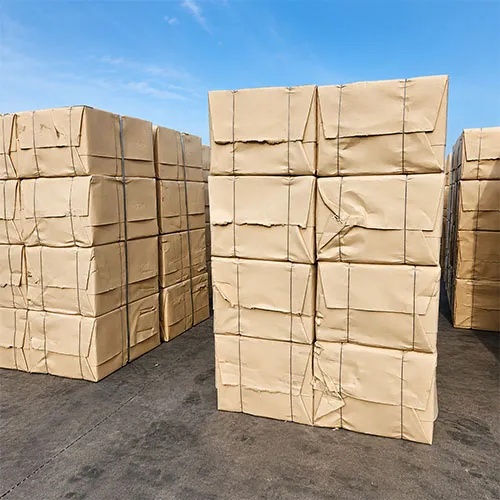
Ağartılmamış bambu hamuru keeps a more natural color. Unbleached bamboo paper is generally used for kraft paper, wrapping paper, packaging paper, and eco-style paper products. It can support a natural look and reduce the need for heavy bleaching.
Sheeon'un product range includes both bleached bamboo pulp and unbleached bamboo pulp, giving buyers more flexibility. A tissue paper factory may prefer bleached pulp. A packaging paper buyer may prefer unbleached pulp. A paper mill may test blends.
Bamboo pulp can be made into bamboo paper and many related paper products. Because bamboo paper is strong and has a pleasant fiber story, it is used in tissue, printing, writing, packaging, and specialty paper applications.
Common applications include tissue paper, facial tissue, toilet paper, offset paper, typing paper, printing paper, writing paper, culture paper, kraft paper, wrapping paper, packaging paper, cable paper, insulation paper, and cement bag paper. Some paper mills also mix bamboo pulp and wood pulp to balance strength, softness, drainage, and cost.
For buyers, the best answer is not “bamboo pulp fits everything.” The better answer is: bamboo pulp should be tested based on paper grade, machine speed, furnish design, strength target, brightness, softness, and final market demand.
Bamboo pulp and wood pulp are both paper pulp materials, but they are not exactly the same. Wood pulp is familiar and widely used. Bamboo pulp is a non-wood pulp option with a strong sustainability story and useful fiber features.
Bamboo fiber morphology and length are often described as between wood fiber and straw fiber. This makes bamboo pulp different from both wood pulp and straw pulp. It can offer useful strength and sheet formation, but a paper mill still needs to test drainage, refining, bonding, softness, and final paper performance.
Bambu hamuru can support a paper mill that wants more material flexibility. It can also help brands create bamboo paper lines for buyers who prefer non-wood fiber materials.
When buying bamboo pulp, B2B buyers should not only ask for price. They should check pulp qualities that affect paper production. These include brightness, whiteness, moisture, fiber cleanliness, beating response, drainage, tensile strength, tear strength, softness, bulk, and sheet formation.
For tissue paper buyers, softness, brightness, cleanliness, and odor control may matter most. For printing paper buyers, smoothness, opacity, formation, and strength may matter. For packaging paper buyers, stiffness, bulk, tear strength, and cost may matter more.
The bamboo pulp market is growing because more brands want non-wood pulp, sustainable paper materials, and plastic-reduction packaging. Tissue brands, paper mills, and eco-friendly material companies often look for bamboo paper because it feels different from standard wood pulp products.
FAO describes bamboo as a versatile non-wood forest product used worldwide for many purposes, including pulp and paper. A recent ScienceDirect review also discusses bamboo as a non-wood fibrous raw material with potential for pulp, paper, and related industries.
For B2B buyers, market demand alone is not enough. You also need stable supply, clear specifications, reliable export service, and consistent batch quality. A strong bamboo pulp market does not help if your paper mill cannot receive steady pulp on time.
Sheeon Pulp is a China-based B2B supplier specializing in eco-friendly pulp and sustainable paper materials. According to Sheeon’s About page, the company was founded in 2008 and is headquartered in Jinan, China. The website states that Sheeon focuses on plant-based pulp materials and serves more than 50 countries.
Sheeon’s product portfolio includes bamboo pulp, bagasse pulp, wheat straw pulp, Bible paper, and stone paper. The website also states that Sheeon successfully launched bleached and unbleached bambu hamuru and bagasse pulp in its early product expansion stage, and that its bamboo pulp is FSC certified.
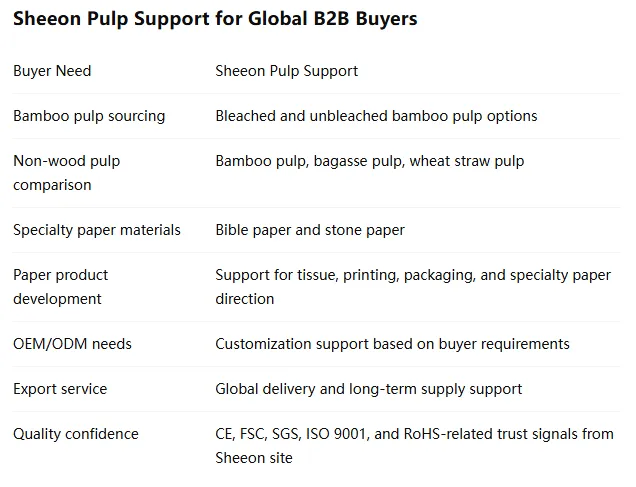
We serve paper product manufacturers, tissue paper producers, printing and publishing buyers, eco-friendly material brands, pulp importers, distributors, and industrial raw material purchasers. These buyers care about stable quality, certification, customization, supply reliability, and long-term cooperation.
Bamboo pulp is paper pulp made from bamboo fiber. It can be used to make bamboo paper, tissue paper, printing paper, writing paper, packaging paper, and selected specialty paper products.
Bambu hamuru is made by cutting bamboo into chips, cooking the chips through a chemical pulping process, washing, screening, refining, bleaching or keeping it unbleached, drying, and forming pulp sheets.
Bamboo pulp can replace or partly replace wood pulp in some paper products, but testing is needed. Many paper mills blend bamboo pulp and wood pulp to balance strength, softness, drainage, and cost.
Bleached bamboo pulp is used for white or clean-looking paper products such as tissue paper, facial tissue, toilet paper, printing paper, offset paper, typing paper, and high-grade culture paper.
Unbleached bamboo pulp is generally used for kraft paper, wrapping paper, packaging paper, and natural-color paper products. It is useful when buyers want an eco-style look.
Bamboo paper can support sustainable positioning because bamboo is a fast-growing plant and a non-wood fiber source. Final sustainability depends on responsible sourcing, production control, bleaching method, energy use, and supply chain management.
Yes. Bamboo pulp is widely used for tissue paper, toilet paper, and facial tissue. Buyers should test softness, brightness, cleanliness, strength, and odor before bulk production.
Evet. Sheeon Pulp supplies bamboo pulp and related sustainable paper materials, including bagasse pulp, wheat straw pulp, Bible paper, and stone paper. Buyers can contact Sheeon Pulp for samples, specifications, and custom sourcing support.
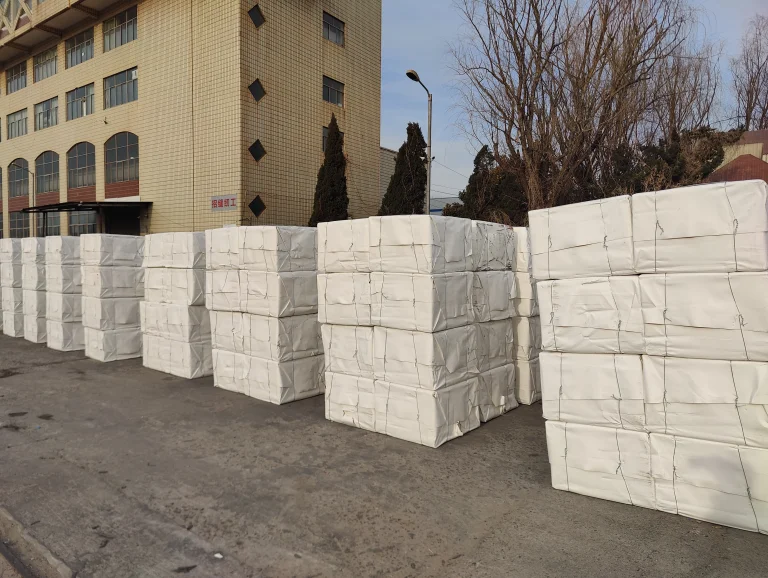
Bambu kağıdı, tamamen veya kısmen bambu hamurundan üretilen bir kağıt türüdür; dolayısıyla bu ürünü satın almak, bir hamur kalitesini seçmek anlamına gelir. Sheeon, lif uzunluğu 1,7 mm'den uzun olan ve parlaklığı yaklaşık 85% olan ağartılmış bambu hamuru ile lif uzunluğu 2,2 mm'den uzun olan ve parlaklığı 40–43% arasında değişen ağartılmamış bambu hamuru üretmektedir.
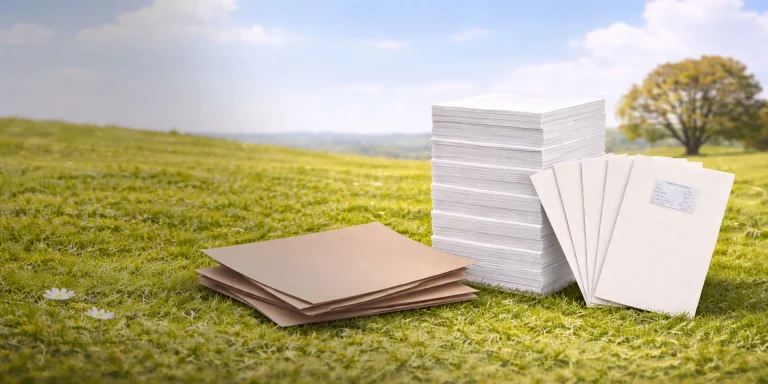
Bambu kağıdı, tamamen veya kısmen bambu hamurundan üretilen bir kağıt türüdür; dolayısıyla bu ürünü satın almak, bir hamur kalitesini seçmek anlamına gelir. Sheeon, lif uzunluğu 1,7 mm'den uzun olan ve parlaklığı yaklaşık 85% olan ağartılmış bambu hamuru ile lif uzunluğu 2,2 mm'den uzun olan ve parlaklığı 40–43% arasında değişen ağartılmamış bambu hamuru üretmektedir.