bột bã mía
Tìm hiểu thêm


 08:51
08:51 heeon Pulp Technical Team | Technical Content Team | Published: August 25, 2026
Bột tre tẩy trắng is bamboo-fiber pulp processed to remove lignin and color, reaching roughly 85% brightness with fiber length above 1.7 mm. For tissue and household paper manufacturers, it functions as a long-fiber component blended with softwood or other pulp to improve sheet strength while keeping the furnish plant-based rather than wood-only.
Finished-tissue brand sites talk about bamboo pulp in terms of softness and sustainability. That’s marketing language aimed at consumers, not the sourcing data a mill’s furnish team needs. What actually determines whether bamboo pulp works in a tissue blend is fiber length, viscosity and dirt count — three numbers that rarely appear on a consumer-facing brand page at all.
Sheeon’s bleached bamboo pulp is published with the following specification:
| Tham số | Giá trị | Phương pháp thử nghiệm |
| Độ sáng | ~85% | GB/T 8940.2 |
| Lượng bụi, 0,3–1,0 mm² | <25 mm²/500 g | GB/T 10740 |
| Lượng bụi, 1,0–4,0 mm² | <20 mm²/500 g | GB/T 10740 |
| Số lượng tạp chất, >4,0 mm² | Không có | GB/T 10740 |
| Chỉ số độ bền kéo | >55 N·m/g | GB/T 7982 |
| Chỉ số độ rách | >8,5 mN·m²/g | GB/T 1548 |
| Chỉ số bùng nổ | >5,0 kPa·m²/g | GB/T 10336-2002 |
| Độ nhớt | 600–800 ml/g | — |
| Chiều dài sợi | >1,7 mm | — |
Brightness gets the most attention in sourcing conversations because it’s the easiest number to compare across suppliers. For tissue applications specifically, viscosity is the figure worth checking first. Viscosity in a range of 600–800 ml/g indicates the degree to which cellulose chains have been preserved during bleaching — lower viscosity generally signals more fiber degradation, which translates into weaker sheet formation once the pulp is refined and blended. A mill evaluating two suppliers at similar brightness levels should ask for the viscosity figure before comparing price, since it’s a better predictor of how the pulp performs once it’s in the beater.
Bột tre‘s published fiber length above 1.7 mm sits closer to a hardwood fiber profile than a long softwood fiber. In practice, this means bamboo pulp is typically blended at a percentage of total furnish rather than run as the sole fiber source — the exact ratio depends on the target sheet’s bulk, softness and strength requirements, which varies by tissue grade and isn’t something a general pulp spec sheet can dictate. Mills new to bamboo pulp sourcing often start with a trial blend at a modest percentage of total furnish and adjust based on sheet performance, rather than substituting it directly for their existing fiber source at a 1:1 ratio.
One error worth flagging directly: a company-level FSC claim on a supplier’s website does not automatically mean every bột tre shipment carries FSC chain-of-custody documentation. Sheeon’s website presents FSC alongside CE and SGS claims for bamboo pulp specifically, but certificate numbers, scope and validity dates are not disclosed on the reviewed product pages. Mills sourcing bamboo pulp for FSC-labeled finished tissue products need to verify the certificate holder name, FSC code and current status in the FSC public certificate database before relying on the claim for their own chain-of-custody documentation — not after the shipment arrives.
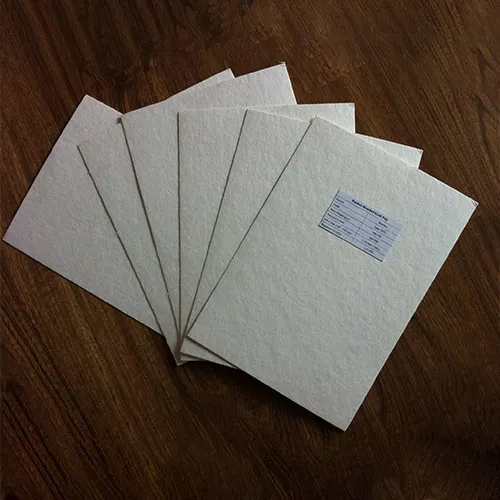
What bột tre tẩy trắng offers a tissue furnish:
What still needs supplier confirmation before ordering:
| Tham số | Bột giấy tre tẩy trắng | Bột giấy bã mía đã tẩy trắng |
| Độ sáng | ~85% | >80% |
| Chỉ số độ rách | >8,5 mN·m²/g | >5,0 mN·m²/g |
| Chỉ số bùng nổ | >5,0 kPa·m²/g | >4,0 kPa·m²/g |
| Độ nhớt | 600–800 ml/g | >550 cm³/g |
| FSC claim | Yes (company-level) | Chưa được xuất bản |
Compared with typical marketplace listings that present bamboo pulp as a single “eco-friendly fiber” product without breaking out these figures against alternatives like bagasse, this table gives a furnish planner a direct basis for choosing between the two for a specific strength or sustainability requirement.
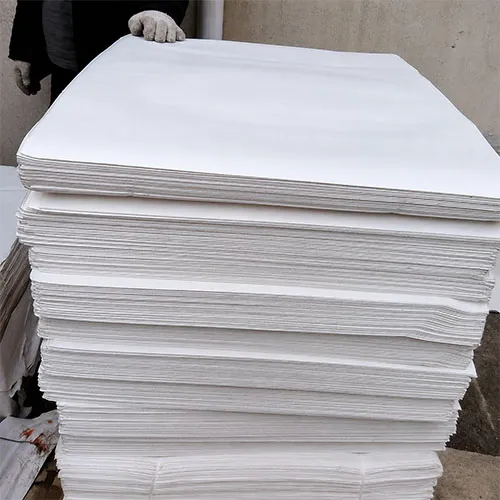
A: Sheeon’s bleached bamboo pulp is published at 600–800 ml/g. Viscosity toward the higher end of a supplier’s range generally indicates better-preserved cellulose chains, which supports stronger sheet formation after refining.
A: Not typically. Bamboo pulp’s fiber length (>1.7 mm) positions it as a blend component rather than a full furnish replacement. The right blend ratio depends on your target sheet properties and requires trial testing, not a published standard percentage.
A: Not for every shipment. FSC is presented as a company-level claim; verify the specific certificate holder, code, scope and validity status in the FSC public certificate database before relying on it for a labeled finished product.
A: Bleached bamboo pulp is published above 8.5 mN·m²/g against bleached bagasse pulp’s >5.0 mN·m²/g — a meaningful gap worth factoring in if tear resistance matters for your tissue grade.
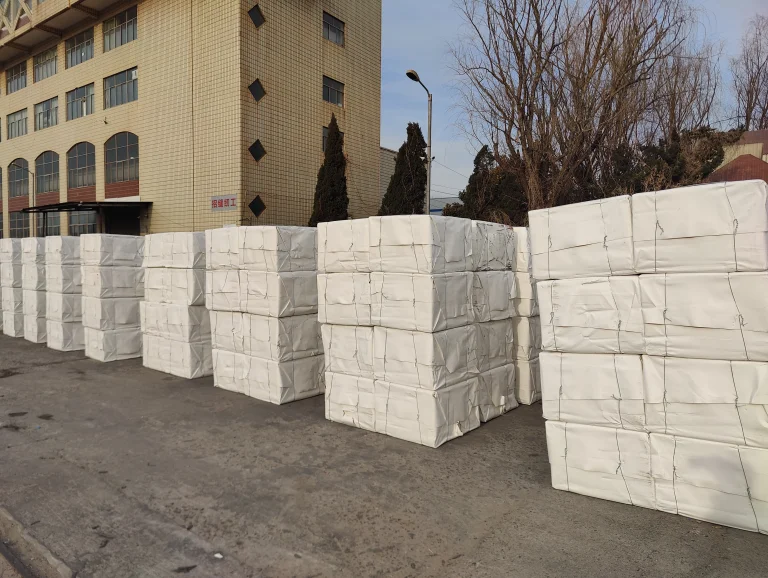
Giấy tre là loại giấy được sản xuất hoàn toàn hoặc một phần từ bột tre, do đó việc mua loại giấy này đồng nghĩa với việc lựa chọn một loại bột tre cụ thể. Sheeon sản xuất bột tre tẩy trắng với độ sáng khoảng 85% và sợi dài hơn 1,7 mm, và bột tre chưa tẩy trắng với độ sáng 40–43% và sợi dài hơn 2,2 mm.

Giấy tre là loại giấy được sản xuất hoàn toàn hoặc một phần từ bột tre, do đó việc mua loại giấy này đồng nghĩa với việc lựa chọn một loại bột tre cụ thể. Sheeon sản xuất bột tre tẩy trắng với độ sáng khoảng 85% và sợi dài hơn 1,7 mm, và bột tre chưa tẩy trắng với độ sáng 40–43% và sợi dài hơn 2,2 mm.