bagasse pulp
Learn More


 11:45
11:45 Many paper buyers want greener materials, but choosing the right pulp is not easy. Wood pulp is familiar. Plastic is under pressure. Recycled fiber can be unstable. Wheat straw pulp offers another path: turning agricultural straw into useful paper fiber.
Wheat straw pulp is paper pulp made from wheat straws after the grain is harvested. Through straw pulping, cleaning, cooking, washing, screening, and sometimes bleach treatment, wheat straw fiber can be converted into pulp for paper products, packaging paper, molded fiber items, writing paper, and paperboard production.
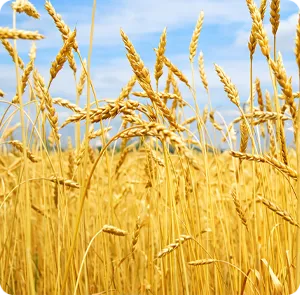
Wheat straw pulp is a type of non-wood pulp made from the straw stalk left after wheat grain harvesting. Instead of treating wheat straws only as farm waste, straw pulping turns this agricultural residue into useful paper pulp for the pulp and paper market.
In the pulp and papermaking process, the goal is simple: separate usable plant fibers from the straw structure. Research on wheat straw pulping explains that pulping separates cellulosic fibers from plant tissue through chemical cooking or mechanical separation with chemical softening.
For paper mills, this matters because wheat straw contains fiber that can be used in paper and paperboard production. It is not the same as plastic. It is a plant-based fiber material. At Sheeon Pulp, we position wheat straw pulp as part of a wider sustainable material portfolio together with bagasse pulp, bamboo pulp, Bible paper, and stone paper.
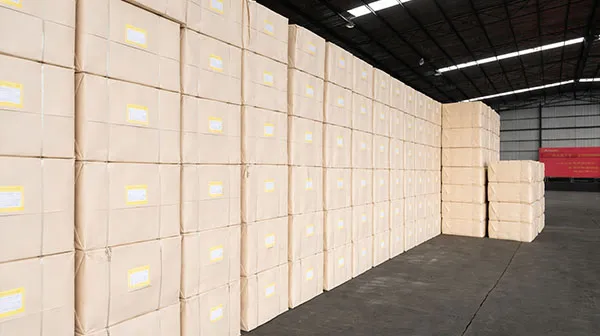
Wheat is grown on a large scale around the world, so wheat straws are available in large quantities after harvest. The IntechOpen chapter on wheat straw pulping notes that wheat straw is produced annually in huge quantities and has a much shorter growing cycle than wood.
This makes wheat straw an attractive raw material for paper mills and packaging manufacturers that want to reduce full dependence on wood fiber. FAO also defines non-wood fibers as non-woody cellulosic plant materials that can provide papermaking fibers, including straws, bagasse, bamboo, hemp, kenaf, jute, sisal, and reeds.
Straw pulping is the process of converting wheat straws into pulp fibers. The typical process includes straw collection, dust removal, cutting, cooking, washing, screening, refining, and sometimes a bleaching process.
A simple process flow looks like this:
In many cases, alkaline pulping, soda pulp, or soda-AQ pulp methods are used for wheat straw pulp production. Technical research notes that soda and soda-anthraquinone cooking are common sulfur-free processes for producing pulp fibers from non-woody raw materials.
The exact pulping conditions affect pulp yield, pulp viscosity, pulp strength, and final paper properties. A higher pulp yield may reduce material loss, while stronger cooking may improve fiber separation but can reduce yield if not controlled well. For commercial procurement, buyers should not only ask for price. They should ask for pulp quality, moisture, brightness, fiber condition, ash level, and application suitability.
There is no single “best” choice. Bleached wheat straw pulp and unbleached wheat straw pulp serve different markets.
Bleached wheat straw pulp is usually selected when the final product needs a cleaner or lighter appearance. It may be used in paper products where brightness matters, such as certain printing papers, hygiene-related applications, or light-color packaging.
Unbleached wheat straw pulp is often more suitable for natural-color packaging, molded fiber trays, eco-style paper products, and brands that prefer a brown or plant-fiber look. It may also reduce processing steps depending on product requirements.
When buyers ask about wheat straw pulp and bleached options, we normally recommend starting from the final product. A food packaging producer, a paper cup raw material buyer, and a printing paper buyer may need different specifications. Matching the pulp to the application is more important than simply choosing the whitest pulp.
Wood pulp remains the main raw material in the global pulp and paper industry. However, non-wood fiber sources such as straw, bagasse, and bamboo have long been used in papermaking. FAO notes that wood became the dominant fiber source later in papermaking history, while early paper was made from non-wood plant fibers.
The difference is not only about sustainability. It is also about fiber behavior. Softwood pulp usually has longer fibers and can improve paper strength. Wheat straw pulp has shorter pulp fibers and different chemistry, so it often works best when used alone in selected applications or blended with other fibers such as wood fiber, bamboo pulp, or recycled fiber.
Wheat straw pulp can be used in several paper and packaging applications. Research on wheat straw pulping discusses paper and paperboard products made from wheat straw pulps, including linerboard, corrugated medium, writing and printing paper, and related grades.
Common applications include:
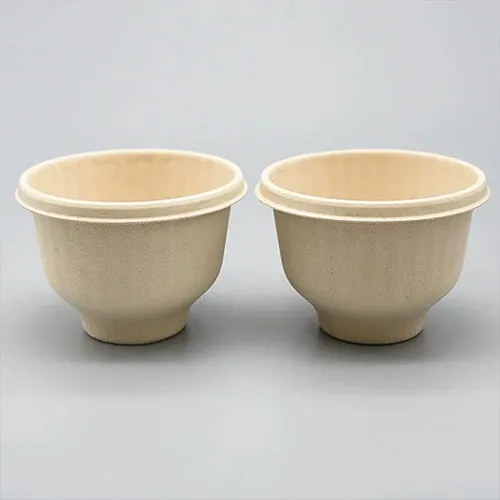
On molded pulp food packaging notes that bagasse, wheat, and bamboo fibers are replacing wood fibers in some food packaging applications because of cost effectiveness, availability, and rapid renewability.
This is why Sheeon Pulp treats wheat straw pulp as part of a wider solution portfolio. Some customers need bagasse pulp. Some need bamboo pulp. Some need wheat straw pulp. Others need custom blends for better paper strength, smoother forming, or specific packaging performance.
For paper and packaging buyers, “safe” depends on the final application and the standards required in the target market. Wheat straw pulp itself is a plant-based fiber material. It is not the same as wheat straw PP plastic. If the final product is used for food packaging, buyers should confirm food-contact requirements, additives, coating systems, and third-party testing.
From an environmental view, wheat straw pulp can support sustainable production because it uses an agricultural residue. This helps turn wheat straws into higher-value paper materials instead of leaving them unused or burning them in the field. FAO reports that wheat straw has high potential, but collection, storage, and transport can be major challenges.
The key point is balance. Wheat straw is not “automatically perfect.” It still needs energy, water, chemicals, logistics, and quality control. But when managed well, it can help paper mills and brands move toward more eco-friendly paper products and reduce dependence on traditional raw material sources.
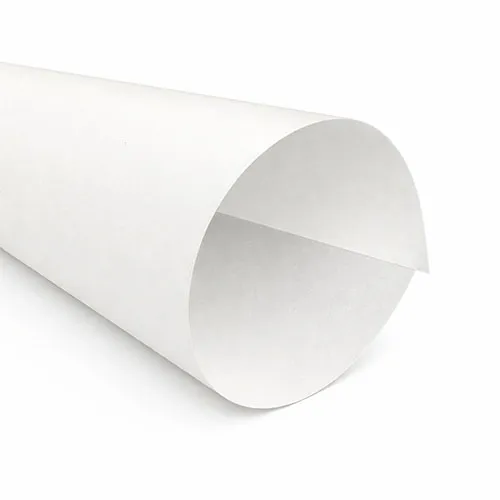
If you are a paper mill, food packaging producer, disposable tableware factory, pulp importer, or eco-material brand owner, you should choose a wheat straw pulp supplier based on both product quality and supply reliability.
A good supplier should help you answer these questions:
At Sheeon Pulp, our role is not only to sell pulp. We help buyers match sustainable pulp materials with real production needs. For customers in packaging, paper production, and eco-friendly paper products, we can discuss pulp specifications, sample testing, export requirements, and long-term procurement plans.
If you are developing paper made from wheat straw pulp, molded fiber packaging, or sustainable packaging paper, the best next step is to test the material with your production process.
Wheat straw pulp is pulp made from wheat straws after the wheat grain has been harvested. Through straw pulping, the plant fiber is separated and prepared for papermaking, packaging paper, molded fiber products, and paperboard production.
Wheat straw can be used for animal bedding, soil return, biomass fuel, straw pellets, packaging materials, and pulp production. In the paper industry, it is used as a non-wood raw material for paper pulp and sustainable paper products.
Yes. Paper can be made from wheat straw after proper pulping, washing, screening, and refining. Wheat straw pulp can be used in packaging paper, writing paper, paperboard, molded fiber products, and other paper products depending on the pulp quality and furnish design.
No. Natural wheat straw pulp is a plant-based fiber material. It is different from wheat straw PP, which is a plastic composite made by mixing polypropylene with wheat straw powder or fiber. Buyers should not confuse wheat straw pulp with wheat-straw-filled plastic products.
Wheat straw PP contains polypropylene, so it is not the same as pure wheat straw pulp. If a product is made with PP plastic, microplastic concerns may depend on product use, wear, disposal, and local regulations. Pure paper pulp made from wheat straw is a different material category.
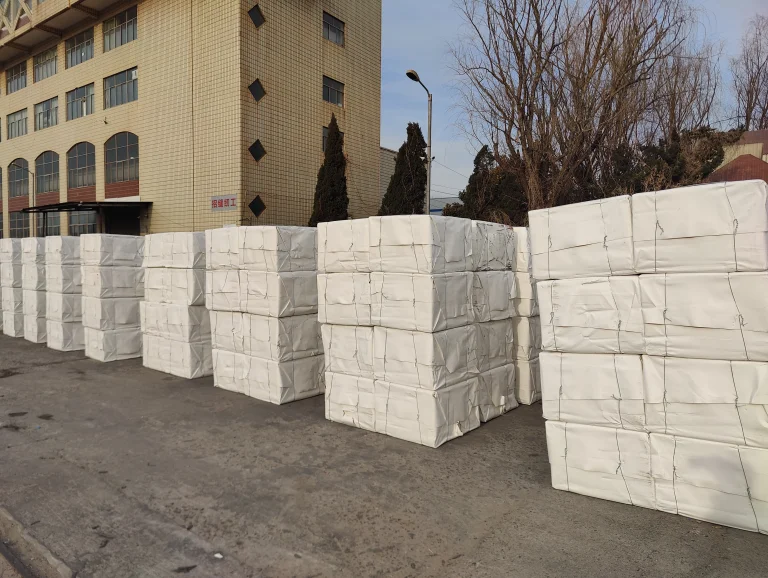
Bamboo paper is paper made wholly or partly from bamboo pulp, so buying it means choosing a pulp grade. Sheeon publishes bleached bamboo pulp at about 85% brightness with fibers longer than 1.7 mm, and unbleached at 40–43% brightness with fibers longer than 2.2 mm.
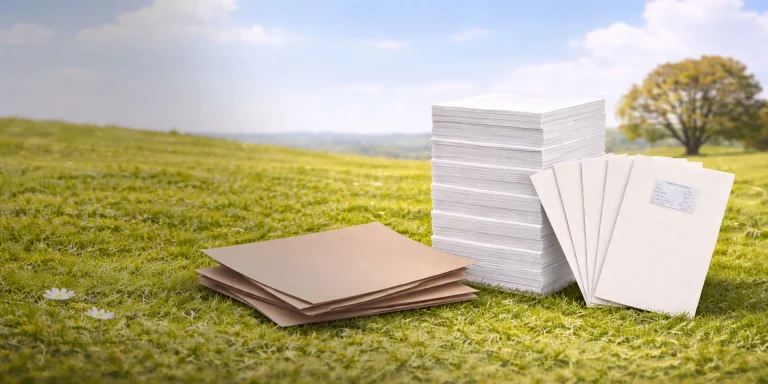
Bamboo paper is paper made wholly or partly from bamboo pulp, so buying it means choosing a pulp grade. Sheeon publishes bleached bamboo pulp at about 85% brightness with fibers longer than 1.7 mm, and unbleached at 40–43% brightness with fibers longer than 2.2 mm.