bagasse pulp
Learn More


 15:11
Sheeon Pulp Technical Team | Technical Content, Jinan Sheeon Co., Ltd. | Published: November 5, 2026
Bleached bagasse pulp is pulp made from sugarcane bagasse and bleached to high brightness. Sheeon’s published spec lists brightness above 80%, dirt count below 35 mm²/500 g, tensile index above 55 N·m/g, tear index above 5.0 mN·m²/g and burst index above 4.0 kPa·m²/g, supplied as 700 × 800 mm sheets.
Compared with typical B2B marketplace listings, which tend to show basis weight, MOQ and a price range but leave out optical and strength data, this is the complete parameter set Sheeon publishes for its Bleached Bagasse Pulp:
| Parameter | Published value | Unit |
| Raw material | Sugarcane bagasse | |
| Brightness | >80 | % |
| Dirt count, 0.3–5.0 mm² | <35 | mm²/500 g |
| Dirt count, >5.0 mm² | None | |
| Tensile index | >55 | N·m/g |
| Tear index | >5.0 | mN·m²/g |
| Burst index | >4.0 | kPa·m²/g |
| Viscosity | >550 | cm³/g |
| Fiber wet weight | >1.7 | g |
| Ash | <0.7 | % |
| Moisture | <15 | % |
| pH | 6.5–8.0 | |
| Beating degree | 22 | °SR |
| Sheet size | 700 × 800 | mm |
Test methods referenced on the product page: GB/T 8940.2, GB/T 7974, GB/T 10740-1989, QB/T 3704, GB/T 1548, GB/T 742, GB/T 8944.1 and GB/T 3332-2004. By their titles, GB/T 7974 covers brightness, GB/T 10740 covers dirt and shives, GB/T 1548 covers viscosity, GB/T 742 covers ash, GB/T 3332 covers beating degree, and GB/T 8940.2 covers the lab handsheets used for strength testing. Ask for the method next to each value on any certificate of analysis, so you can compare like with like when a second supplier tests to ISO or TAPPI methods instead.
Not on the published sheet: bale dimensions, bale weight, fiber length and bleaching sequence. Request all four with your quotation.
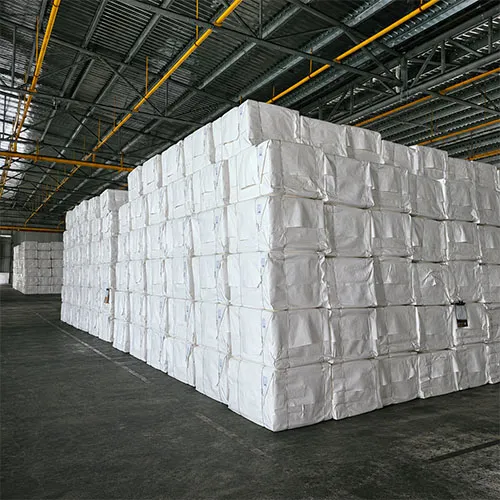
A spec table only helps if you know which figure affects your output. For molded plates, bowls and clamshells, here’s how each parameter connects to production:
| Parameter | Sheeon value | Why a tableware manufacturer should care |
| Brightness | >80% | Sets the base color of white plates; pulp below your target forces you to blend or accept a duller product |
| Dirt count | <35 mm²/500 g (0.3–5.0 mm²), none >5.0 mm² | Specks show clearly on a white plate surface and are a common reason for customer rejects |
| Tensile index | >55 N·m/g | Relates to how well the formed body holds together under load |
| Burst index | >4.0 kPa·m²/g | A second strength indicator, useful for comparing lots and suppliers on equal terms |
| Tear index | >5.0 mN·m²/g | Matters at demolding and edge trimming, where thin rims can tear |
| Viscosity | >550 cm³/g | A proxy for cellulose chain length; a sudden drop between lots suggests harsher processing |
| Ash | <0.7% | Low inorganic content; useful if you add your own fillers and want predictable totals |
| Moisture | <15% | You pay for this water; it also affects how you calculate dry fiber per batch |
| pH | 6.5–8.0 | Near-neutral pulp is easier to pair with the oil- and water-repellent and wet-strength additives many tableware lines use |
| Beating degree | 22°SR | Your as-received starting point; how far you refine from here affects drainage on the forming mold and therefore cycle time |
One practical note on beating degree: molded fiber forming depends on water draining through a screen mold. Refining raises °SR and generally slows drainage, so the starting value tells you how much refining headroom you have before cycle time suffers. Run a small trial at your own target rather than assuming the as-shipped value is the right one.
Sheeon publishes a single bleached bagasse grade. When buyers ask about “grades,” they’re usually choosing between this pulp and an unbleached or different-fiber option. All figures below are from Sheeon’s product pages:
| Parameter | Bleached Bagasse | Unbleached Bagasse | Bleached Bamboo | TCF Bleached Wheat Straw |
| Brightness | >80% | 40–43% | ~85% | ≥75% |
| Tensile index (N·m/g) | >55 | Not published | >55 | ≥45 |
| Tear index | >5.0 mN·m²/g | Not published | >8.5 mN·m²/g | ≥4.5 (unit not stated) |
| Burst index | >4.0 kPa·m²/g | Not published | >5.0 kPa·m²/g | ≥3.5 (unit not stated) |
| Fiber length | Not published | Not published | >1.7 mm | 0.8–1.2 mm |
| Bleaching | Sequence not stated | None | Sequence not stated | TCF (totally chlorine free) |
Reading the table for tableware:
This is the point where tableware buyers most often over-read a spec sheet. Brightness and cleanliness are quality parameters. They say nothing about whether the pulp is documented for food contact.
Sheeon’s bleached bagasse pulp page presents CE, FDA-related food-contact and SGS claims. The page does not disclose certificate numbers, report numbers, issuing bodies or validity dates. Before you build a food-contact product on any supplier’s pulp, check the claims against the relevant framework:
A related edge case: whether fluorescent whitening agents are used. Brightness figures don’t reveal it. If your customer contracts restrict them, write that requirement into the purchase specification and ask for a test report.
Pricing for Bleached Bagasse Pulp is available on request. It depends on product grade, specification, order volume, packaging and delivery requirements.
To get a quote you can compare directly with other suppliers, send these details in one RFQ:
Q: What brightness does bleached bagasse pulp reach?
A: Sheeon’s Bleached Bagasse Pulp is specified at brightness above 80%, tested by the method referenced on its product page. Its unbleached grade sits at 40–43% for comparison.
Q: Is bleached bagasse pulp suitable for food-contact tableware?
A: The spec sheet doesn’t answer that. Food-contact suitability depends on documentation under the rules of your market, such as EU Regulation (EC) No 1935/2004 or the FDA’s food-contact framework. Request grade-specific documents with issuing body and report numbers.
Q: What size are bleached bagasse pulp sheets?
A: Sheeon publishes a 700 × 800 mm sheet size. Bale dimensions and bale weight for the bleached grade aren’t published and should be confirmed in the quotation.
Q: How much does bleached bagasse pulp cost?
A: Price is quoted on request. It varies with grade, specification, order volume, packaging and delivery terms.
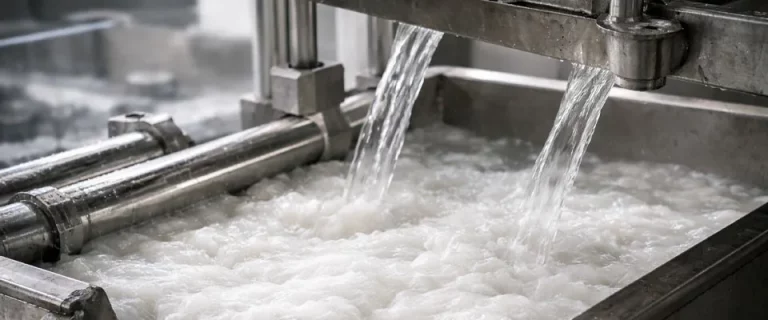
Bagasse pulp is fiber made from sugarcane bagasse, the residue left after juice extraction. Sheeon offers a bleached grade with brightness above 80% and an unbleached grade at 40–43%. Choose by brightness target, cleanliness limits and strength data, then verify certificates and test samples before committing to volume. What sugarcane bagasse pulp is Sugarcane bagasse […]

Bamboo paper is made from bamboo fiber; tree paper is made from wood pulp. Neither wins outright, because performance depends on the pulp grade. Sheeon’s bleached bamboo pulp publishes brightness near 85% and fiber length above 1.7 mm, which gives buyers fixed numbers to test any virgin wood pulp against. Where the fibers come from […]