bagasse pulp
Learn More


 17:44
Sheeon Pulp Technical Team | Corporate editorial byline, Jinan Sheeon Co., Ltd. | Published November 13, 2026
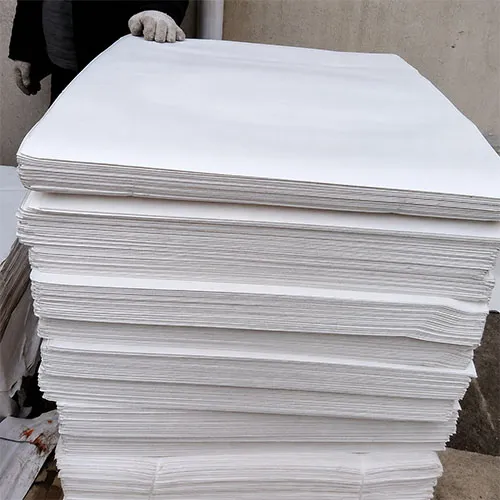
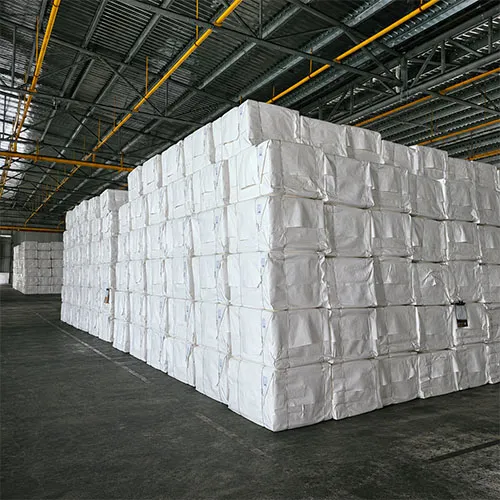
The bleached bagasse pulp sheet Sheeon publishes measures 700 × 800 mm. The unbleached grade is baled at 700 × 800 × 600 mm and 250 kg ADMT, with a basis weight of 500–530 g/m². Sheeon publishes no price list: a quote depends on grade, specification, order volume, packaging and delivery.
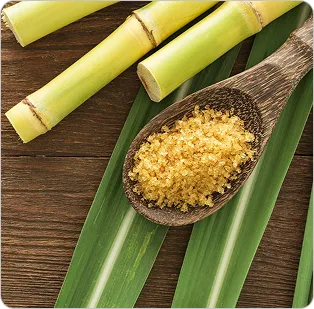
A bagasse pulp sheet is sugarcane bagasse fiber that has been pulped, dried and pressed into a flat board, then baled for shipping. Paper mills, tableware makers and molded-fiber plants buy it in this form and repulp it on site. Two numbers on the spec line shape handling and cost: the footprint of the sheet or bale, and the basis weight, which is grams of pulp per square meter of sheet.
A 700 × 800 mm sheet covers 0.56 m². If an unbleached sheet shares that footprint with its bale, the published 500–530 g/m² puts roughly 280–297 g of pulp in each one. That is arithmetic on Sheeon’s numbers, not a published sheet weight, and it moves with moisture.
| Parameter | Bleached Bagasse Pulp | Unbleached Bagasse Pulp |
| Raw material | Sugarcane bagasse | Sugarcane bagasse |
| Sheet size | 700 × 800 mm | Not published separately |
| Bale size | Not published | 700 × 800 × 600 mm |
| Basis weight | Not published | 500–530 g/m² |
| Bale weight | Not published | 250 kg ADMT |
| Beating degree | 22 °SR | 18 °SR |
| Moisture | <15% | 14 ± 2% |
| Brightness | >80% | 40–43% |
“Not published” means the figure does not appear in the product material we reviewed. Ask for it instead of borrowing the other grade’s number.
One grammage trap is worth flagging early. Sheeon’s finished Bible paper runs 28–70 g/m² and its stone paper 120–240 g/m². A pulp board at 500–530 g/m² is a raw-material form that goes into a pulper, so the two scales describe different things and should not be compared.
This is everything the bleached grade’s product page publishes.
| Parameter | Published value |
| Brightness | >80% |
| Dirt count, 0.3–5.0 mm² | <35 mm²/500 g |
| Dirt count, >5.0 mm² | None |
| Tensile index | >55 N·m/g |
| Tear index | >5.0 mN·m²/g |
| Burst index | >4.0 kPa·m²/g |
| Viscosity | >550 cm³/g |
| Fiber wet weight | >1.7 g |
| Ash | <0.7% |
| Moisture | <15% |
| pH | 6.5–8.0 |
| Sheet size | 700 × 800 mm |
| Beating degree | 22 °SR |
The page references GB/T 8940.2, GB/T 7974, GB/T 10740-1989, QB/T 3704, GB/T 1548, GB/T 742, GB/T 8944.1 and GB/T 3332-2004. The material we reviewed lists these methods as a group and does not pair each one with a parameter, so ask for the pairing before you compare results with your own lab’s.
Sheeon does not state which end use fits which spec line. The table below is a buyer-side checklist built from the published numbers.
| End use | Check first | Published values | Still open |
| Tableware (plates, bowls, trays) | Brightness, dirt count, ash, pH, food-contact paperwork | Bleached: brightness >80%; dirt <35 mm²/500 g at 0.3–5.0 mm², none above 5.0 mm²; ash <0.7%; pH 6.5–8.0 | Certificate numbers and scope |
| Molded packaging | Beating degree, dirt count, color requirement | Bleached: 22 °SR, brightness >80%. Unbleached: 18 °SR, brightness 40–43%, dirt <40 mm²/500 g | Which °SR your forming line tolerates |
| Paper mills | Strength indices, viscosity, fiber wet weight | Bleached: tensile >55 N·m/g, tear >5.0 mN·m²/g, burst >4.0 kPa·m²/g, viscosity >550 cm³/g, fiber wet weight >1.7 g | Strength indices for the unbleached grade |
Sheeon says pricing is available on request and depends on product grade, specification, order volume, packaging and delivery requirements. It publishes no per-ton range, so this article gives none. A sugarcane bagasse pulp sheet price copied from a marketplace listing for some other specification is not a number you can compare against.
| Factor | What to put in your request |
| Grade | Bleached Bagasse Pulp or Unbleached Bagasse Pulp |
| Specification | Brightness floor, dirt-count limit, beating degree, and any custom spec (Sheeon lists specification customization among its OEM/ODM services) |
| Order volume | Tons per shipment, expected annual volume, and whether a sample run comes first |
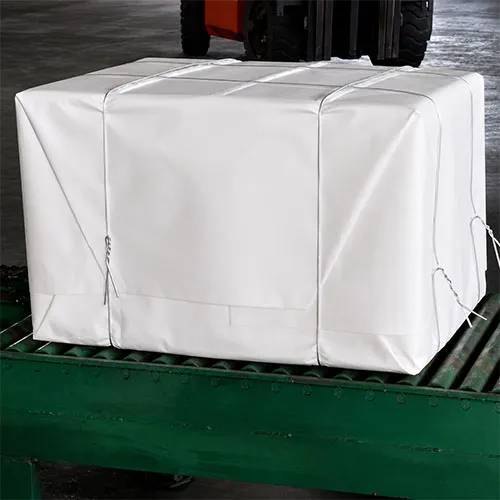
| Packaging | Bale size and weight, wrapping; Sheeon lists packaging customization as a service |
| Delivery | Destination and delivery terms |
Compared with common single-SKU marketplace listings, which show one price against one grade and no side-by-side spec table, a request that fills all five rows lets you compare two quotes on the same terms.
Q: What size is a bagasse pulp sheet?
A: Sheeon’s bleached bagasse pulp sheet is 700 × 800 mm. Its unbleached bagasse pulp is baled at 700 × 800 × 600 mm. Bale size for the bleached grade is not published.
Q: What is the grammage of bagasse pulp board?
A: The unbleached grade is listed at 500–530 g/m². The bleached grade’s basis weight is not in the published parameters, so request it with your quote.
Q: Is bleached bagasse pulp approved for food contact?
A: Sheeon’s website lists CE, FDA-related food-contact and SGS claims but does not disclose certificate numbers. In the EU the governing text is Regulation (EC) No 1935/2004, and CE marking is not proof of food-contact compliance. Ask for the documents and match them to the bleached grade before you place an order.
Next step: send your brightness floor, dirt-count limit and °SR range together with the five quote factors, and ask for the bleached grade’s basis weight and bale configuration in the same message. A sample run on your own line is the only test that settles the °SR question.
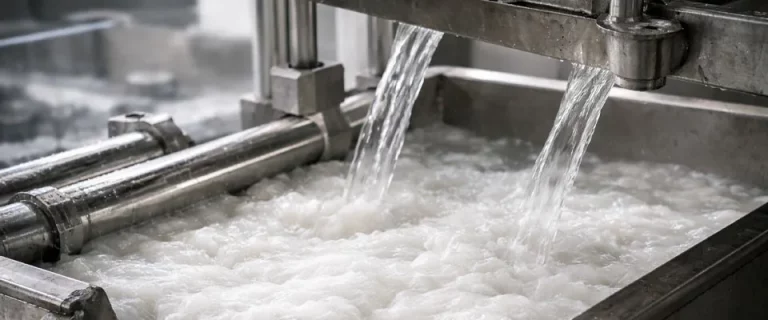
Bagasse pulp is fiber made from sugarcane bagasse, the residue left after juice extraction. Sheeon offers a bleached grade with brightness above 80% and an unbleached grade at 40–43%. Choose by brightness target, cleanliness limits and strength data, then verify certificates and test samples before committing to volume. What sugarcane bagasse pulp is Sugarcane bagasse […]

Bamboo paper is made from bamboo fiber; tree paper is made from wood pulp. Neither wins outright, because performance depends on the pulp grade. Sheeon’s bleached bamboo pulp publishes brightness near 85% and fiber length above 1.7 mm, which gives buyers fixed numbers to test any virgin wood pulp against. Where the fibers come from […]