Bagasse-Zellstoff
Mehr erfahren


 10:37
10:37 Technisches Team von Sheeon Pulp | Technisches Team des Unternehmens | Veröffentlicht: September 2026
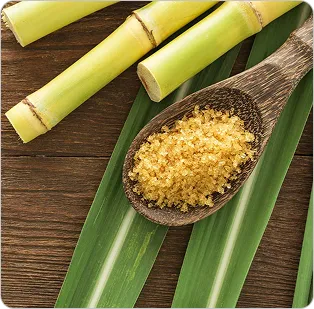
Sugarcane bagasse is the fibrous residue left after sugarcane stalks are crushed to extract juice. Like any lignocellulosic material, it’s made up mainly of cellulose, hemicellulose, and lignin, plus a non-fibrous pith fraction that behaves differently from the fiber during processing, which is why raw bagasse composition matters before it ever reaches a pulping step.
Published chemical analyses of raw sugarcane bagasse generally place cellulose in the roughly 42–56% range of dry weight, hemicellulose around 22–27%, and lignin around 19–26%, with ash typically low, often under 3.5%. A Brazilian bagasse chemistry study from the Escola de Engenharia de Lorena reported cellulose values between 42.5% and 46.8% depending on the extraction method used, alongside hemicellulose around 25–27% and lignin around 19–21%, illustrating how much the reported figures shift depending on how a given lab measures them. These aren’t fixed constants; they vary by cane variety, growing conditions, and how the sample was processed before testing, which is one reason a mill’s own testing matters more than a single published average.
Raw Bagasse isn’t a uniform material. It’s a mix of two structurally different particle types: fiber, found in the rind and the vascular bundles running through the stalk, and pith, the softer parenchyma tissue that fills the interior. Research published by the South African Sugarcane Research Institute (SASRI) puts the split at roughly 50–55% fiber and 30–35% pith by weight in raw bagasse, with the remainder made up of fines and other residual material.
This split isn’t incidental to papermaking. Fiber is what contributes to sheet strength; pith is not. Pulp mills routinely depith bagasse, mechanically separating the pith fraction, before cooking, because pith consumes cooking chemicals without contributing useful fiber to the finished pulp and adds to screening load downstream.
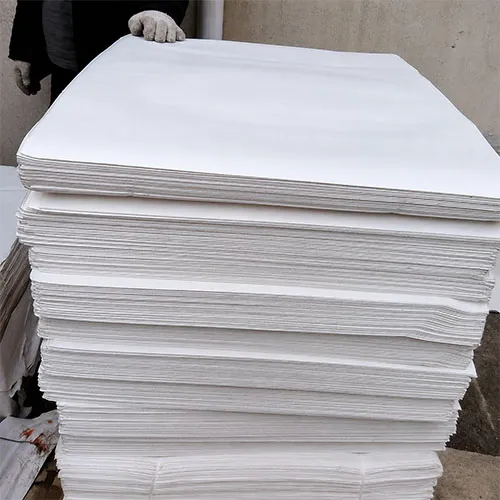
A common assumption is that leftover pith in unprocessed bagasse is essentially harmless filler that gets sorted out somewhere in the pulping line regardless. The SASRI research points to a more specific reason pith needs deliberate removal rather than incidental screening: pith has a lower lignin content and a more porous, higher-surface-area structure than fiber. That porosity means pith absorbs cooking liquor disproportionately to its fiber contribution, which is part of why depithing efficiency, not just total pith percentage, affects how consistently a given batch of bagasse cooks.
For a buyer or mill evaluating raw bagasse rather than finished pulp, that makes depithing quality, not just gross composition percentages, one of the more practical things to ask a supplier about.
Chemical composition (cellulose, hemicellulose, lignin) describes what bagasse fiber is made of; fiber length describes its physical dimensions, and the two are measured and reported separately. A BioResources-published study on bagasse pulping for corrugating board reported an average fiber length around 1.6 mm for the fiber fraction tested, alongside separate measurements for fiber diameter and cell wall thickness. Composition percentages alone don’t indicate fiber length, so a buyer comparing bagasse sources on cellulose content alone is missing a variable that affects sheet strength independently of chemical makeup.
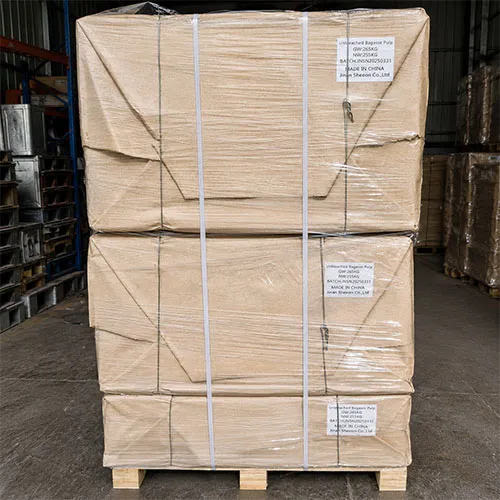
A: Published research puts the fiber fraction at roughly 50–55% of raw bagasse by weight, with the remaining 30–35% as pith and the rest as fines and residual material, though exact figures vary by source and cane variety.
A: Not on its own. Cellulose content is one factor in pulping suitability, but lignin content, pith percentage, and fiber length all affect how a given batch of bagasse behaves in cooking and what strength properties the resulting pulp has.
A: Cane variety, growing region, harvest timing, and how the sugar-extraction process was run all affect the resulting bagasse’s fiber-to-pith ratio and chemical composition, which is why published ranges are ranges rather than fixed values.
A: No. Raw bagasse is the unprocessed residue from sugar extraction; bagasse pulp is the fiber product that results after depithing, cooking, washing, and (for bleached grades) bleaching. Composition figures for raw bagasse describe the starting material, not the finished pulp’s specification sheet.
Depithing efficiency is the variable that’s easiest to overlook when comparing bagasse sources on composition percentages alone, and it’s worth a direct question to any supplier before committing to a bulk order.
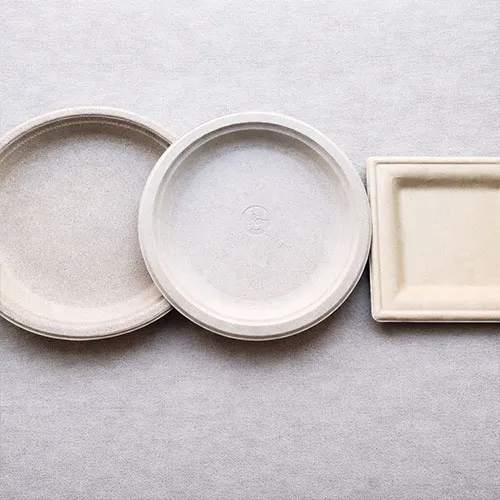
Choosing bagasse pulp for paper or molded fiber production starts with the specifications your line can accept. Brightness affects appearance; dirt count affects visible defects; moisture, beating degree and delivery format affect receiving and processing. A product description that says only “sugarcane pulp” cannot answer those purchasing questions. This guide compares Sheeon’s published specifications for […]
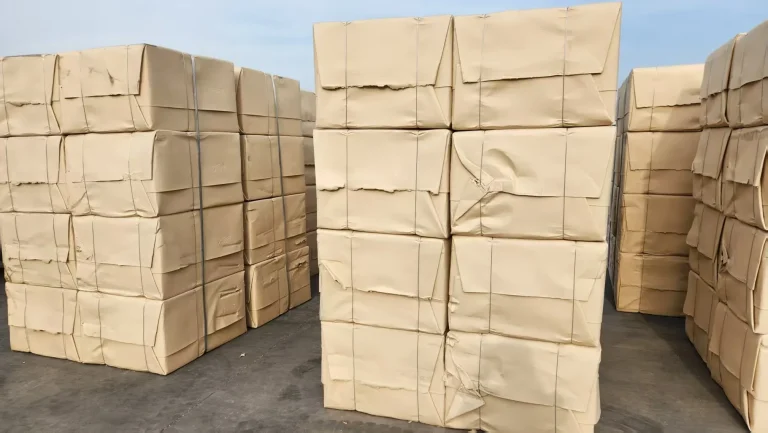
Zuckerrohrbagasse ist der faserige Rückstand, der übrig bleibt, nachdem die Zuckerrohrstängel zerkleinert wurden, um den Saft zu gewinnen. Wie jedes lignozellulosehaltige Material besteht sie hauptsächlich aus Zellulose, Hemicellulose und Lignin sowie einem nichtfaserigen Markanteil, der sich bei der Verarbeitung anders verhält als die Fasern. Deshalb ist die Zusammensetzung der rohen Bagasse entscheidend, noch bevor sie in den Aufschlussprozess gelangt.