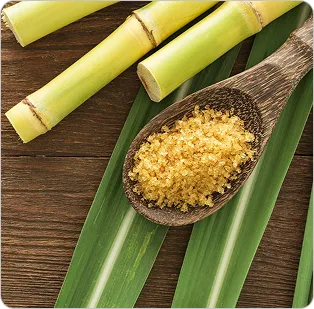
Bagasse-Zellstoff
Mehr erfahren



Bambuspapier ist Papier, das ganz oder teilweise aus Bambuszellstoff hergestellt wird; beim Kauf entscheidet man sich also für eine bestimmte Zellstoffqualität. Sheeon bietet gebleichten Bambuszellstoff mit einer Helligkeit von etwa 85% und einer Faserlänge von mehr als 1,7 mm sowie ungebleichten Bambuszellstoff mit einer Helligkeit von 40–43% und einer Faserlänge von mehr als 2,2 mm an.
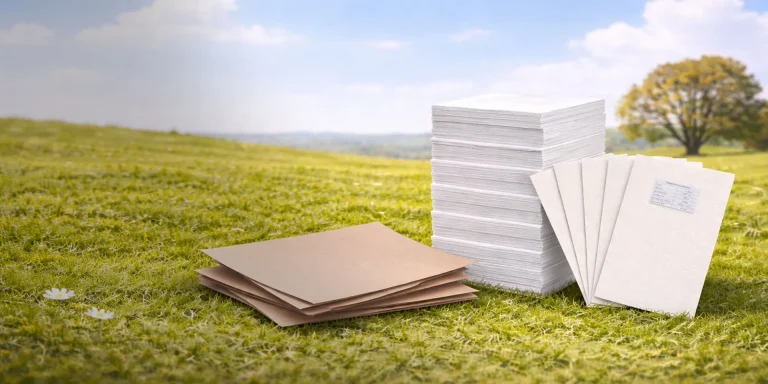
Bambuspapier ist Papier, das ganz oder teilweise aus Bambuszellstoff hergestellt wird; beim Kauf entscheidet man sich also für eine bestimmte Zellstoffqualität. Sheeon bietet gebleichten Bambuszellstoff mit einer Helligkeit von etwa 85% und einer Faserlänge von mehr als 1,7 mm sowie ungebleichten Bambuszellstoff mit einer Helligkeit von 40–43% und einer Faserlänge von mehr als 2,2 mm an.
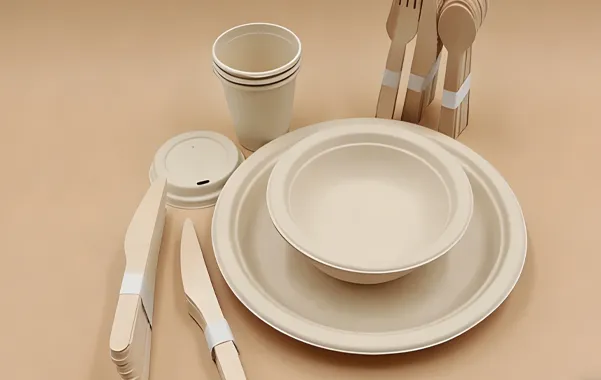
Vergleichen Sie biologisch abbaubare Materialien für Geschirr, prüfen Sie die Kompostierbarkeit und bewerten Sie die Leistungsfähigkeit im Gastronomiebereich. Entdecken Sie die Zellstoffoptionen von Sheeon für die Geschirrherstellung.
Traditional paper production has long depended on wood resources, but rising environmental concerns and supply chain challenges are pushing industries to explore better fiber alternatives. Agricultural waste is often overlooked, creating both environmental pressure and missed opportunities. Wheat straw pulp provides a practical non-wood fiber solution that transforms agricultural residue into valuable material for paper […]
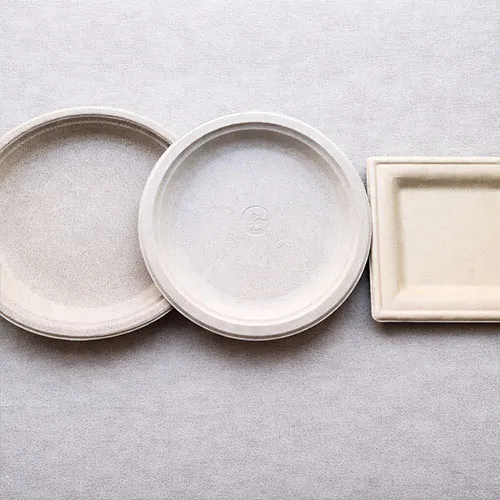
Choosing bagasse pulp for paper or molded fiber production starts with the specifications your line can accept. Brightness affects appearance; dirt count affects visible defects; moisture, beating degree and delivery format affect receiving and processing. A product description that says only “sugarcane pulp” cannot answer those purchasing questions. This guide compares Sheeon’s published specifications for […]