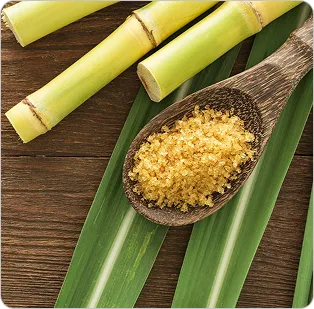
bagasse pulp
Learn More



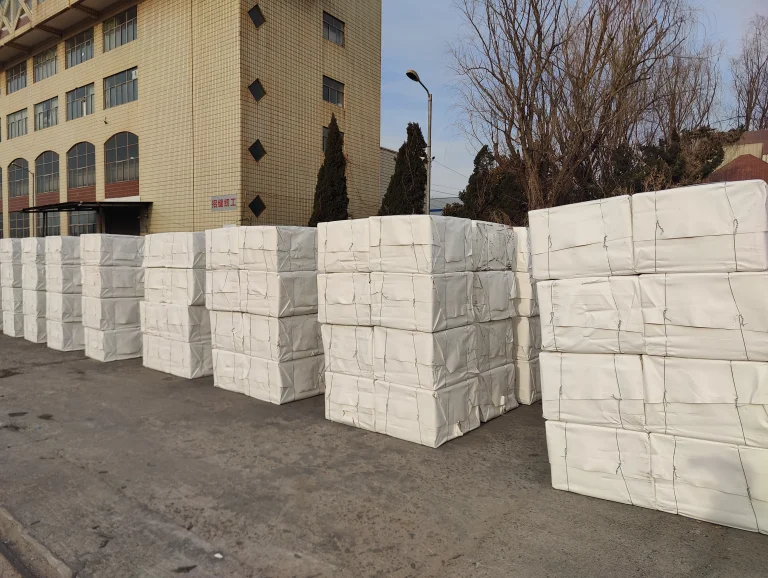
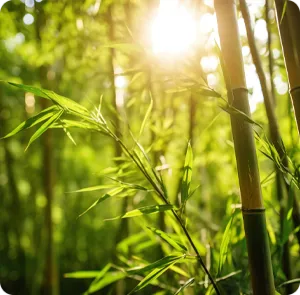
Bamboo paper is paper made wholly or partly from bamboo pulp, so buying it means choosing a pulp grade. Sheeon publishes bleached bamboo pulp at about 85% brightness with fibers longer than 1.7 mm, and unbleached at 40–43% brightness with fibers longer than 2.2 mm.
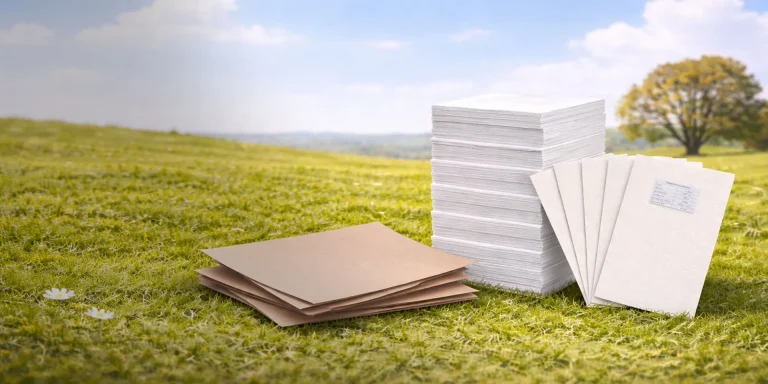
Bamboo paper is paper made wholly or partly from bamboo pulp, so buying it means choosing a pulp grade. Sheeon publishes bleached bamboo pulp at about 85% brightness with fibers longer than 1.7 mm, and unbleached at 40–43% brightness with fibers longer than 2.2 mm.
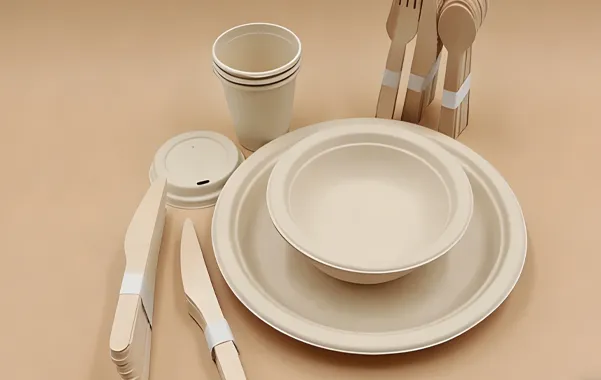
Compare biodegradable dinnerware materials, verify compostability, and assess food-service performance. Explore Sheeon’s pulp options for tableware production.
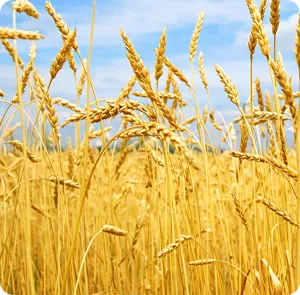
Traditional paper production has long depended on wood resources, but rising environmental concerns and supply chain challenges are pushing industries to explore better fiber alternatives. Agricultural waste is often overlooked, creating both environmental pressure and missed opportunities. Wheat straw pulp provides a practical non-wood fiber solution that transforms agricultural residue into valuable material for paper […]
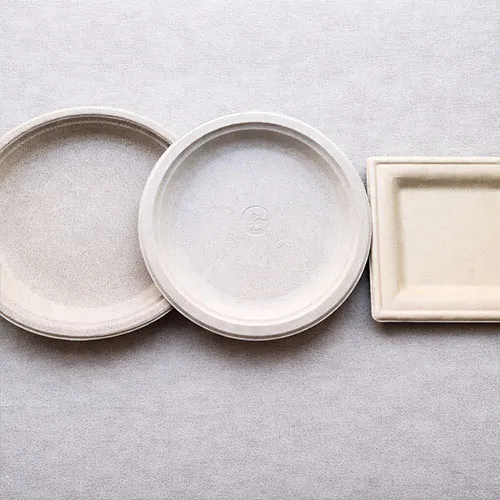
Choosing bagasse pulp for paper or molded fiber production starts with the specifications your line can accept. Brightness affects appearance; dirt count affects visible defects; moisture, beating degree and delivery format affect receiving and processing. A product description that says only “sugarcane pulp” cannot answer those purchasing questions. This guide compares Sheeon’s published specifications for […]