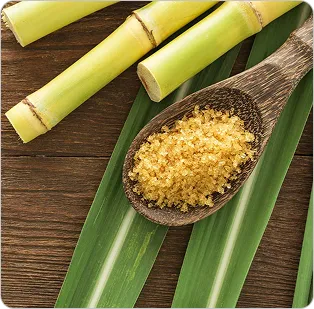
pulpe de bagasse
En savoir plus


 10:15
10:15 Plastic rules are changing. Wood fiber costs can move fast. Buyers need a cleaner pulp option, but poor material choice can lead to weak forming, unstable color, or failed packaging projects. Unbleached bagasse pulp offers a practical path: renewable fiber, natural color, and wide paper-use potential.
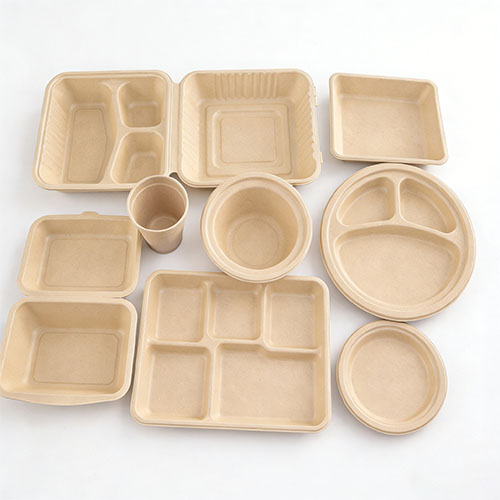
Unbleached bagasse pulp is a non-wood pulp made from sugarcane bagasse, the fibrous residue left after sugar extraction. It is commonly used as a raw material for bagasse pulp sheet, biodegradable tableware, molded pulp tray, bagasse paper, and eco-friendly packaging because it keeps a natural brown look and reduces the need for heavy bleach treatment.
Pulpe de bagasse non blanchie is a type of pulp made from sugarcane bagasse. After sugar mills crush cane to extract juice, they leave behind a dry, fibrous material. This fiber can become paper pulp instead of being wasted or burned. Bagasse is widely recognized as a byproduct of the sugarcane industry, and sugarcane is produced at very large global scale, making this fiber source important for non-wood material development.
For buyers, the main value is simple: sugarcane bagasse pulp turns agricultural residue into a usable raw material. It supports paper production, molded packaging, and tableware without relying only on forest-based fiber. This is why many paper product manufacturers and food packaging factories now compare bagasse paper pulp with wood pulp, bamboo pulp, and recycled paper pulp.
At Sheeon Pulp, we see this material as part of a wider shift. More customers want pulp is sustainable not only as a slogan, but as a sourcing decision. They want stable fiber, clear specifications, export support, and a supplier that understands both material performance and international buyer concerns.
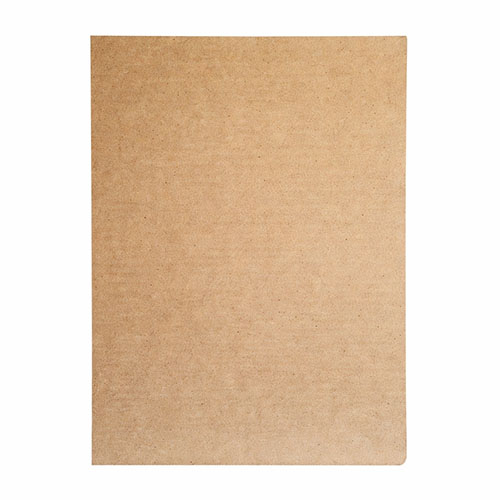
A good sugarcane bagasse pulp option gives factories more flexibility. Many buyers still use virgin wood pulp, hardwood kraft pulp, or softwood kraft pulp because these fibers are familiar and stable. That makes sense. But when brands want a greener material story, non-wood pulp can help them build a stronger product line.
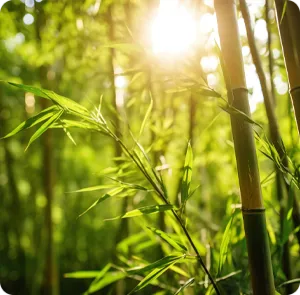
Using bagasse does not mean every buyer should replace all wood fiber at once. In many projects, factories blend fiber pulp from several sources. For example, fiber bagasse may support molded products, while longer fiber can improve strength. Some tableware research has also studied blending sugarcane bagasse with bamboo fiber to improve mechanical performance in biodegradable and compostable food packaging.
For a B2B buyer, the best path is usually practical testing. A pulp supplier should help you check forming, drainage, color, moisture, bulk density, and final product strength. That is more useful than only saying a material is eco-friendly.
A bagasse pulp sheet is a convenient form for transport, storage, and downstream processing. Buyers can repulp the sheet and use it in molding or papermaking lines. This is why many international customers prefer sheets over loose wet fiber. It is easier to handle, easier to ship, and easier to test.
Common uses include:
For food-contact projects, buyers often ask whether sugarcane pulpe de bagasse food grade material can be used for plates, bowls, and trays. The answer depends on the actual material specification, additives, production process, and final testing. The pulp itself is only one part of the final food-contact product.
For example, bagasse pulp food grade bagasse projects may still need product-level tests for heavy metals, migration, oil resistance, water resistance, and compostability claims. The same is true for pulp food grade bagasse pulp used in export markets. Buyers should check the full supply chain, not just the fiber name.
The EU has been pushing the market away from certain single-use plastic products and toward more circular and sustainable material models. This regulatory direction is one reason foodservice buyers look more closely at biodegradable or fiber-based alternatives.
In real sourcing work, the right question is not only “Is it food grade?” A better question is: Can this pulp help my final bagasse tableware pass the tests required in my target market?
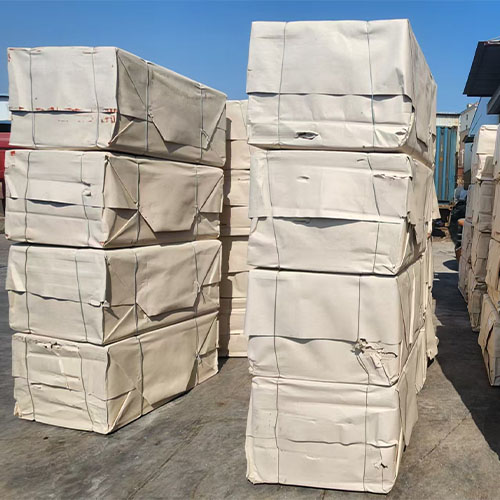
Before large-scale purchasing, paper mills and molding factories should test the material in real production conditions. Lab data helps, but machines tell the truth. A grade bagasse pulp sample should be checked for fiber performance, not only appearance.
Important test points include:
For sugarcane bagasse paper pulp unbleached, natural color variation may happen. That does not always mean poor quality. But the variation must remain within the buyer’s acceptable range. For bagasse paper pulp unbleached raw and paper pulp unbleached raw material, clear batch records matter.
If a buyer wants material virgin sugarcane bagasse pulp, virgin sugarcane bagasse pulp sheets, or sugarcane bagasse pulp sheets paper, the supplier should explain whether the material comes from fresh agricultural residue, recycled streams, or blended fiber.
Choosing a China supplier is not only about quotation speed. It is about communication, sampling, documentation, export experience, and problem solving. A good supplier should answer technical questions clearly and should not hide basic specifications.
Ask these questions before placing a bulk order:
These questions may look simple, but they prevent many problems. In B2B material sourcing, one unclear detail can affect a full production run.
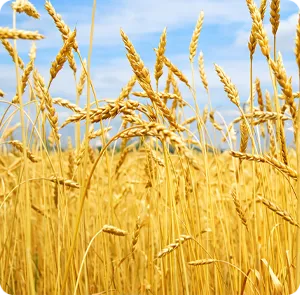
Sheeon Pulp focuses on eco-friendly pulp and sustainable paper materials. Our product direction includes bagasse pulp, bamboo pulp, wheat straw pulp, Bible paper, stone paper, and other specialty material options for global B2B buyers.
We work with customers such as paper product manufacturers, food packaging factories, disposable tableware producers, printing and publishing buyers, material brand owners, importers, distributors, and industrial raw material purchasers. These buyers often care about environmental positioning, stable supply, customization, certification support, and long-term cooperation.
Our role is not to push one material to every buyer. We help customers compare options. For example:
Some markets also use long-tail search terms such as compostable bleached and unbleached sugarcane, unbleached sugarcane bagasse pulp food, and pulp sheets paper pulp biodegradable. These phrases may sound long, but they reveal buyer intent. Buyers want safer material selection, clearer sustainability value, and reliable export supply.
Pulpe de bagasse non blanchie is a strong option for buyers who want a natural, plant-based, non-wood pulp for packaging, paper, and molded products. It is especially useful when the final product needs an eco-friendly look, less whiteness demand, and a clear connection to agricultural waste reuse.
For tableware factories, paper converters, and packaging brands, this material can support new product development. But the best results come from testing. Check the fiber. Check the process. Check the final product.
Sheeon Pulp can support B2B buyers with non-wood pulp sourcing, sample discussion, customization direction, and export cooperation. If your team is comparing sugarcane bagasse pulp, bamboo pulp, or other sustainable paper materials, we can help you choose a practical path.
It is used for molded packaging, tableware, bagasse paper, trays, and other fiber-based products. Many buyers choose it when they want natural color and less bleach treatment.
Yes, bagasse fiber is plant-based and can support pulp biodegradable product development. Final biodegradability or compostability still depends on additives, coating, production process, and third-party testing.
No. Unbleached pulp is better for natural brown products and low-bleach positioning. Bleached pulp is better when buyers need white appearance, clean visual style, or premium tableware color.
It can replace or partly replace wood pulp in some applications, but testing is needed. Fiber length, strength, drainage, color, and machine settings all affect the final result.
Test moisture, color, fiber cleanliness, repulping speed, forming performance, drying behavior, final product strength, odor, and food-contact requirements if used for packaging or tableware.
No. Sheeon Pulp focuses on eco-friendly pulp and sustainable paper materials, including bagasse pulp, bamboo pulp, wheat straw pulp, Bible paper, stone paper, and related specialty material solutions.
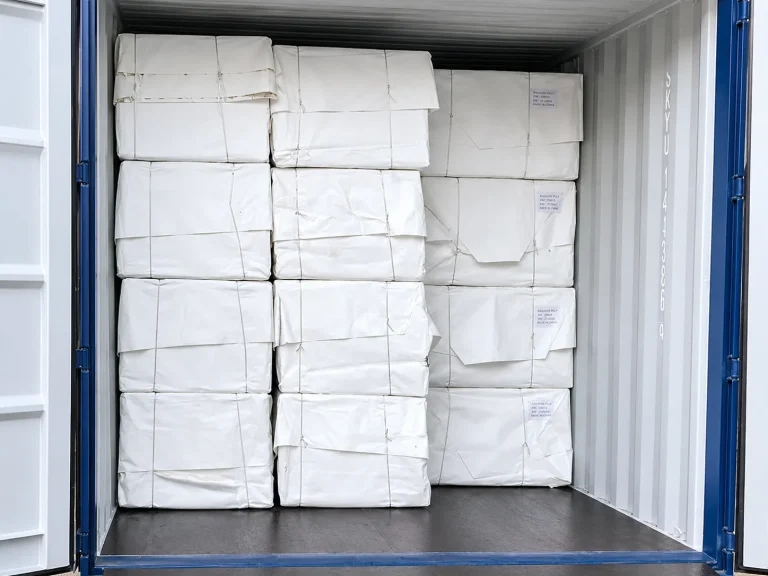
Bleached bagasse pulp is paper pulp made from sugarcane bagasse and treated through pulping and bleaching to create a cleaner, brighter pulp. It is used for food grade bagasse pulp board, molded fiber tableware, bagasse paper, tissue paper, packaging paper, and other biodegradable pulp products.
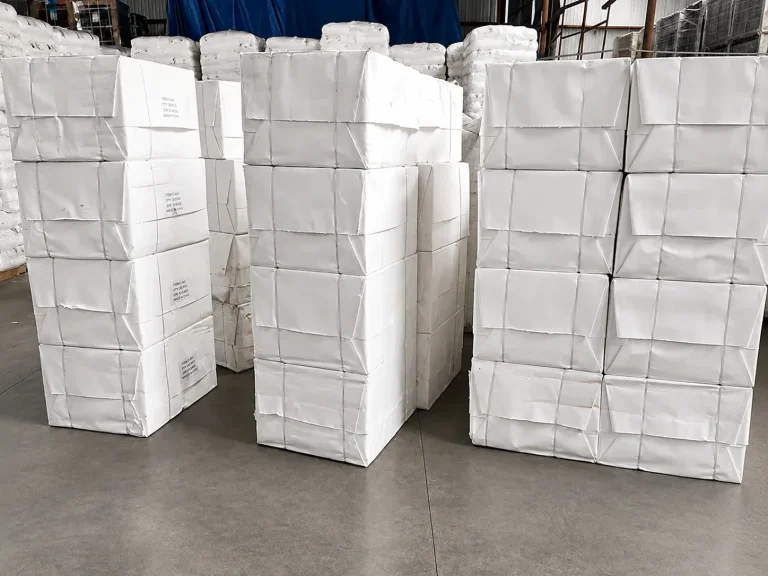
Bleached bamboo pulp is paper pulp made from bamboo and treated through a bleach or bleaching process to improve brightness, cleanliness, and appearance. It is widely used for tissue paper, bamboo toilet paper, facial tissue, bamboo paper, copy paper, printing paper, and other paper products where white color and stable pulp quality matter.