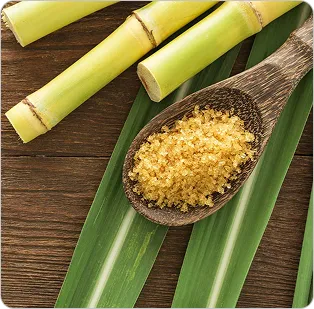
bagasse pulp
Learn More


 11:30
11:30 Plastic replacement is not easy. Buyers need greener packaging, but unstable pulp can cause poor forming, rough tableware, weak edges, and delayed production. Sugarcane bagasse pulp offers a practical way to turn agricultural waste into stronger, cleaner, and more market-ready packaging materials.
Sugarcane bagasse pulp is made by collecting the fiber left after sugarcane juice extraction, cleaning and depithing it, processing it into pulp, forming it into sheets or boards, and then reusing it for paper, tableware, pulp packaging, and molded packaging products.
More paper converters, food packaging factories, and disposable tableware producers are looking for materials that can reduce plastic use and improve brand value. Bagasse pulp helps answer this demand because it is made from sugarcane residue, not fresh plastic or traditional wood-only fiber.
For many buyers, sustainable packaging is no longer just a nice idea. It affects product positioning, customer trust, retail acceptance, and long-term supply planning. A food brand may need eco-friendly tableware. A supermarket supplier may need molded pulp trays. A packaging factory may need pulp sheets that run smoothly on its own equipment.
At Sheeon Pulp, we see this demand from global B2B buyers every day. Many customers do not only ask, “Is it eco-friendly?” They ask better questions:
This is where sugarcane bagasse pulp becomes more than a raw material. It becomes part of a buyer’s product strategy.
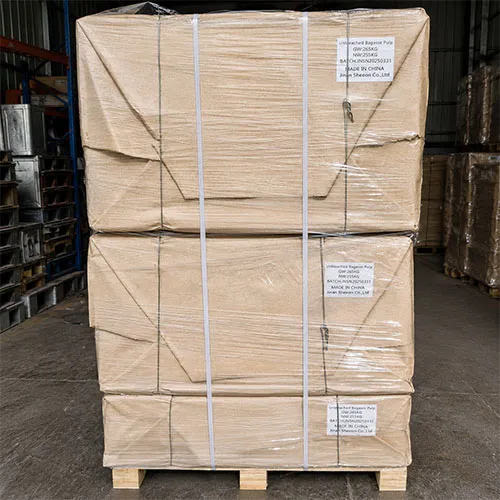
Sugarcane bagasse is the fibrous material left after extracting juice from sugarcane stalks. In simple words, sugarcane stalks are crushed, the juice is removed, and the remaining fiber can be used to make pulp. This makes bagasse a useful byproduct of sugarcane processing.
Instead of letting this agricultural waste lose value, manufacturers can use bagasse to produce paper, pulp molded products, disposable pulp items, food trays, plates, bowls, and other packaging products. This use of bagasse supports a more circular material path.
For buyers, the main value is clear: bagasse is plant-based, renewable in supply regions, and suitable for many types of packaging. It also gives brands a simple story to tell. The product is made from bagasse, derived from sugarcane, and designed to replace less sustainable materials in selected applications.
For Sheeon Pulp, bagasse is one part of a wider non-wood pulp system. We also supply bamboo pulp, wheat straw pulp, Bible paper, stone paper, and other sustainable paper materials. This helps buyers compare materials and choose the right option for each application.
The production process of sugarcane bagasse starts with fiber collection. After juice extraction, the remaining bagasse fibers are gathered, cleaned, and prepared for pulping. The goal is to remove unwanted materials such as pith, dust, sand, and other impurities.
The process of sugarcane bagasse pulp normally includes cleaning, depithing, cooking or refining, washing, screening, sheet forming, drying, cutting, and packing. The exact method depends on the final grade and target use. Some buyers need natural-color pulp. Others need bleached pulp for cleaner-looking tableware or white packaging.
For B2B buyers, this complete production process matters because every step affects final performance. Poor cleaning can affect the quality of molded pulp. Poor moisture control can affect storage. Unstable fiber can affect molding speed.
This is why Sheeon Pulp focuses on supply consistency, not just material availability. A buyer may test one sample successfully, but the real challenge is repeat orders. Stable pulp helps factories keep their production smooth.
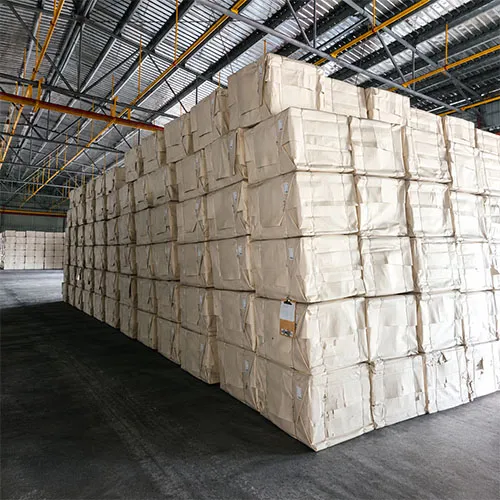
Bagasse pulp molding is the process of turning wet pulp slurry into shaped products. These products can include plates, bowls, meal boxes, trays, lids, cup holders, and protective inserts. The process is widely used in pulp molding tableware and pulp molding packaging.
In a typical molding process, dry bagasse pulp sheets are re-pulped in water. The sugarcane pulp board is shredded, mixed, and turned into slurry. Additives may be incorporated into the pulp to improve water resistance, oil resistance, stiffness, or surface performance, depending on the final product.
Then the slurry moves to the forming stage. A mold and vacuum system shape the pulp into a wet blank. After that, heat and pressure remove moisture and help the item become stronger. Trimming and inspection finish the product.
A simplified workflow looks like this:
Bagasse pulp sheet → Re-pulping → Slurry adjustment → Mold forming → Hot pressing → Trimming → Inspection → Packing
This product molding process sounds simple, but details matter. Fiber length, slurry concentration, mold design, pressing temperature, drying time, and packaging equipment can all affect the final result. For buyers, the right pulp supplier helps reduce trial-and-error costs.
Bagasse can be used for many packaging and tableware products. The most common applications include disposable tableware, food trays, bowls, plates, clamshell boxes, cup holders, meal containers, and molded fiber inserts.
For food-service buyers, bagasse supports a cleaner product image. For packaging manufacturers, it provides a plant-based material option for pulp molded items. For brand owners, it can help support an eco-friendly packaging story.
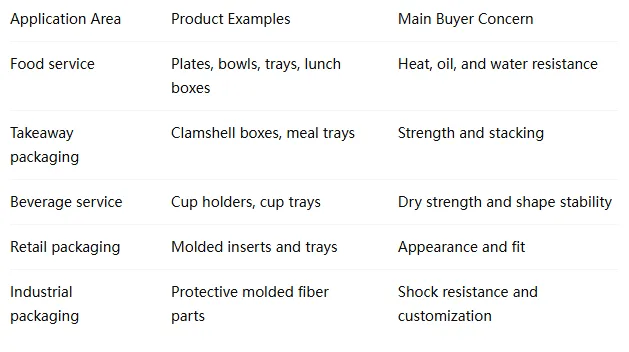
This type of packaging can serve restaurants, supermarkets, catering companies, convenience stores, food brands, and packaging distributors. Buyers may also use bagasse pulp in paper products, specialty papers, or blended pulp applications.
The final type of packaging depends on the buyer’s market. Some buyers need natural brown tableware. Some need white, clean-looking food containers. Some need molded packaging for non-food products. Some need pulp products for sustainable packaging but are still comparing bagasse with bamboo or other fibers.
Sheeon Pulp can support these discussions by matching material choice with application needs.
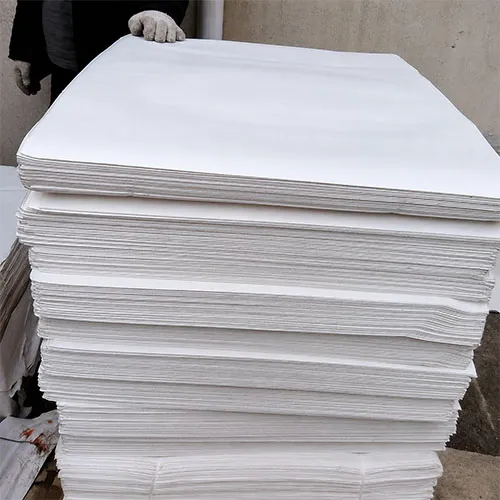
Bagasse, bamboo pulp, wheat straw pulp, wood pulp, and waste paper all have different advantages. There is no single best fiber for every buyer. The right choice depends on the final product, market rules, price target, strength requirement, color, and production method.
Bagasse is a good option for molded fiber and pulp packaging because it has a clear agricultural waste story and suitable forming performance. Bamboo pulp can offer good strength and a premium plant-fiber image. Waste paper may be useful in some non-food or lower-contact applications, but buyers need to check quality and regulatory limits carefully.
For Sheeon Pulp, this is where our broader product range helps. We do not only offer bagasse pulp. We also work with bamboo pulp, wheat straw pulp, Bible paper, and stone paper. This gives global buyers more options when they are building sustainable and eco-friendly material lines.
A buyer may choose bagasse for food trays, bamboo for premium tissue, wheat straw for packaging paper, and stone paper for waterproof labels. One supplier with multiple eco-friendly material directions can make sourcing easier.
Sheeon Pulp can be positioned as a China-based B2B supplier specializing in eco-friendly pulp and sustainable paper materials. Our business focuses on non-wood pulp and specialty paper products, including bagasse pulp, bamboo pulp, wheat straw pulp, Bible paper, and stone paper.
We serve paper product manufacturers, molded pulp factories, food packaging producers, disposable tableware makers, printing and publishing buyers, eco-friendly material brand owners, pulp importers, distributors, and industrial raw material purchasers.
Our customers often care about the same things:
This is why our role is not only to sell pulp. We help buyers build practical material solutions. Some customers need an eco-friendly packaging material. Some need a stable pulp source for daily production. Some need OEM/ODM support for a new product line. Some need to compare bagasse, bamboo, wheat straw, or other paper materials before making a decision.
For global B2B buyers, a stable supplier can save time, reduce risk, and support better product planning.
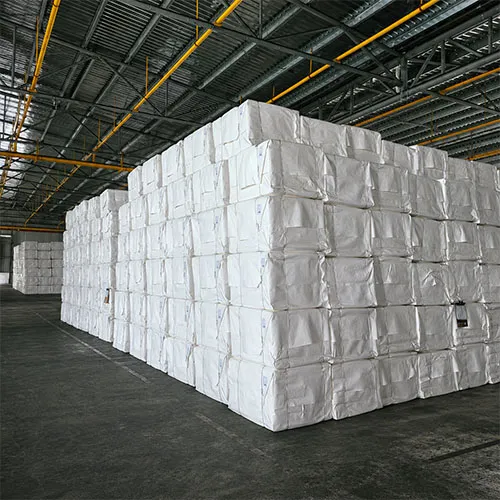
The impact of bagasse is not only environmental. It also affects product design, marketing, procurement, and supply chain planning. When a buyer can use bagasse instead of less sustainable materials, the product becomes easier to position in eco-aware markets.
Bagasse supports sustainable manufacturing because it makes better use of crop residue. It also helps buyers build a sustainable and eco-friendly alternative for selected paper and packaging applications. For many companies, this is part of sustainable development and long-term brand growth.
Still, buyers should stay practical. Not every bagasse product is the same. Final quality depends on raw material, pulp processing, mold design, machine control, additives, testing, and supplier stability. Good results come from the whole chain.
That is why Sheeon Pulp focuses on both material supply and buyer communication. We want to help customers choose the right pulp, not just any pulp.
If you are planning a pulp packaging or tableware project, the best way to start is to share your real application. A clear project brief helps us respond faster and more accurately.
You can prepare the following information:
With this information, Sheeon Pulp can help recommend suitable pulp materials and discuss the next step. Whether you are a paper mill, tableware producer, importer, distributor, or eco-friendly brand owner, our goal is to support a reliable sourcing path.
Yes, sugarcane bagasse pulp can be used for food packaging when the final material, additives, production process, and testing meet the requirements of the target market. Buyers should confirm the specific standards needed for their country or customer.
Yes. Bagasse pulp is widely used for disposable tableware such as plates, bowls, trays, and lunch boxes. The final quality depends on pulp grade, mold design, machine control, and product requirements.
In many buying conversations, bagasse pulp and sugarcane pulp are used in a similar way. More precisely, bagasse pulp is made from the fiber left after sugarcane juice extraction.
Yes. Sheeon Pulp can discuss customized material direction based on color, application, pulp type, packaging method, shipment needs, and buyer requirements. OEM/ODM support can be discussed according to the project.
Bagasse comes from sugarcane residue, while bamboo pulp comes from bamboo fiber. Bagasse is often used for molded packaging and tableware. Bamboo pulp is often used in tissue, hygiene products, premium paper, and blends. The best choice depends on the final product.
Please send your product application, target market, required color, quantity, packing needs, and any sample photos or technical details. This helps Sheeon Pulp recommend a more suitable material and prepare a more accurate quotation.
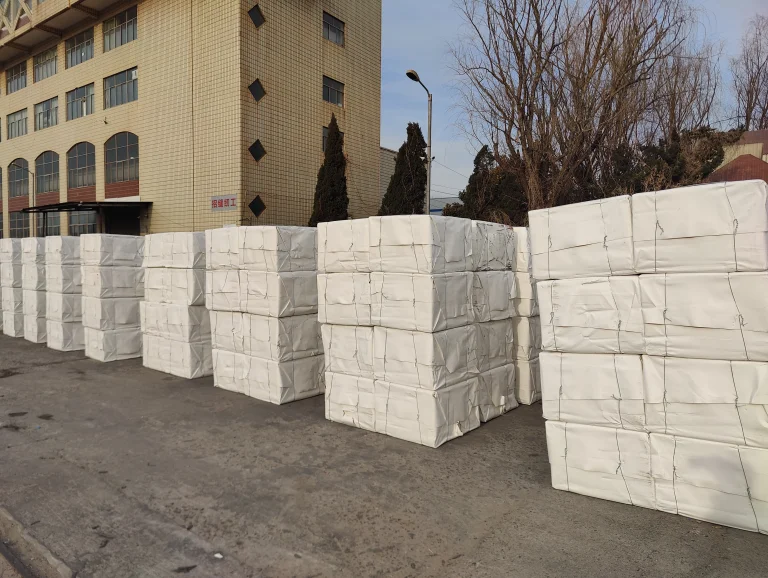
Bamboo paper is paper made wholly or partly from bamboo pulp, so buying it means choosing a pulp grade. Sheeon publishes bleached bamboo pulp at about 85% brightness with fibers longer than 1.7 mm, and unbleached at 40–43% brightness with fibers longer than 2.2 mm.
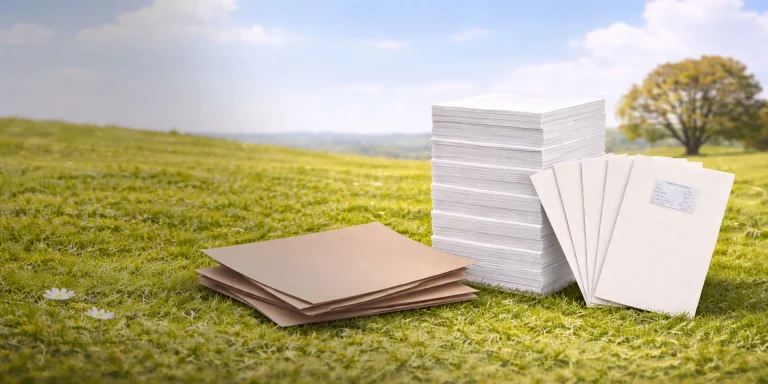
Bamboo paper is paper made wholly or partly from bamboo pulp, so buying it means choosing a pulp grade. Sheeon publishes bleached bamboo pulp at about 85% brightness with fibers longer than 1.7 mm, and unbleached at 40–43% brightness with fibers longer than 2.2 mm.