bagasse pulp
Learn More


 16:35
16:35 Many buyers like the idea of bamboo toilet paper, but the higher price tag can create doubt. If regular toilet paper looks cheaper, why pay more? The answer sits in raw material, processing, supply chain, sustainability, and product positioning.
Bamboo toilet paper is often more expensive because bamboo pulp requires dedicated harvesting, pulping, bleach control, tissue converting, packaging, certification, and global shipping. Compared to traditional toilet paper made from wood pulp, bamboo toilet paper may offer renewable fiber value and a lower forest impact, but its cost depends on scale, quality, and supplier reliability.
Bamboo toilet paper so expensive is a common question because shoppers and B2B buyers often compare it with regular toilet paper by roll price only. That is natural. The roll on the shelf is what people see first. But the cost story starts much earlier, from bamboo harvest to bamboo pulp, tissue paper conversion, packaging, and logistics.
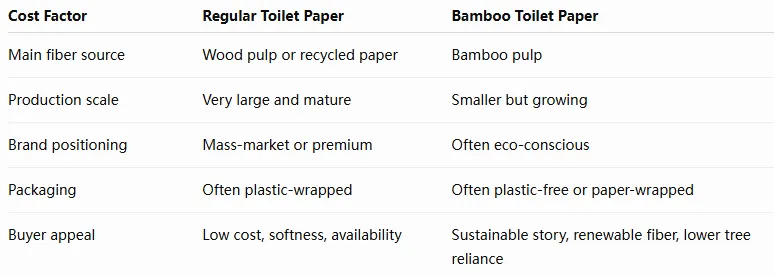
Traditional toilet paper is usually made from large-scale wood pulp supply chains. These systems have decades of production scale, mature mills, and highly optimized distribution. Bamboo toilet paper uses a smaller and more specialized supply chain. That can raise the bamboo toilet paper cost, especially when the product uses virgin bamboo pulp, plastic-free packaging, eco-friendly claims, or third-party certification.
The higher cost does not always mean better quality. It means the product has a different cost structure. Bamboo toilet paper tends to carry extra costs from sourcing, processing bamboo, converting, shipping, and brand positioning. For buyers, the key is to compare total value, not just the price per roll.
Bamboo toilet paper is made from bamboo fibers that are processed into bamboo pulp, then converted into tissue paper rolls. Bamboo is a non-wood fiber source. FAO describes bamboo as a versatile non-wood forest product used for housing, energy, pulp and paper, fiber, crafts, utensils, and food. It also notes bamboo’s role in land restoration, soil and water conservation, erosion control, and climate adaptation.
In simple terms, bamboo grows, workers harvest it, mills process it into pulp, and tissue factories make the paper. Bamboo toilet paper is one type of bamboo paper. Other bamboo paper products can include bamboo tissue, napkins, paper towels, packaging paper, and specialty paper products.
Bamboo toilet paper is different from regular toilet paper because the fiber source is different. Regular toilet paper may use traditional wood pulp, recycled paper, or blends. Bamboo toilet paper uses bamboo pulp as the core raw material. For Sheeon Pulp, this matters because the quality of the pulp affects the final softness, strength, absorbent feel, and production stability.
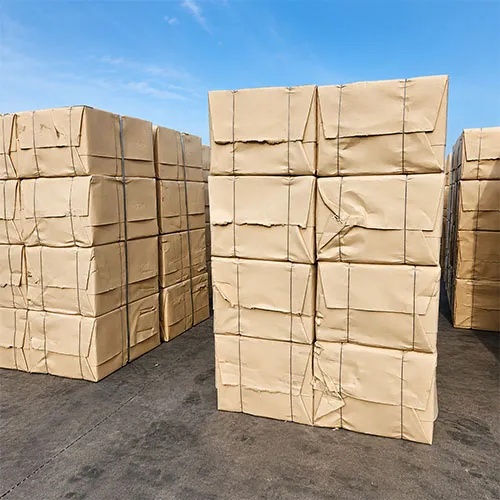
To make bamboo toilet paper, manufacturers first turn bamboo into bamboo pulp. The process often includes harvest, cutting, chipping, cooking, washing, screening, bleach treatment when needed, drying, and sheet forming. Then tissue paper manufacturers convert the pulp into thin tissue rolls.
A simple production flow looks like this:
Bamboo Harvest
↓
Bamboo Chips
↓
Bamboo Pulping
↓
Washing and Screening
↓
Bleach or Natural Treatment
↓
Bamboo Pulp Sheets
↓
Tissue Paper Machine
↓
Converting and Rolling
↓
Bamboo Toilet Paper
Each step adds cost. Bamboo must be harvested, transported, processed, and tested. If the brand wants white bamboo toilet paper, the bleach step must be controlled. If the brand wants unbleached bamboo tissue, color consistency still matters. If the product claims to be septic safe or biodegradable, the finished toilet paper needs testing and clear use instructions.
This is why bamboo toilet paper could cost more than regular toilet paper. It is not just “grass turned into paper.” It is a full paper production chain with raw material control, pulp quality control, tissue conversion, packaging, export, and customer standards.
The bamboo vs traditional toilet paper price gap comes from raw material, scale, processing, and positioning. Traditional toilet paper production is often built around huge wood pulp systems. In contrast, bamboo toilet paper uses a more specialized bamboo supply chain.
The major tissue brands still rely heavily on forest fiber, while alternatives such as recycled content and responsibly sourced bamboo give consumers more sustainable options. NRDC also says toilet paper made with recycled content has about one-third the carbon footprint of toilet paper made from forest fiber, and that bamboo is a major improvement over using trees.
This does not mean bamboo toilet paper is always the lowest-footprint product. Supply chain distance, energy use, bleach method, packaging, and shipping all matter. But compared to traditional paper made mainly from virgin wood pulp products, bamboo paper can offer a strong renewable fiber story.
Main cost drivers include:
Bamboo harvest and raw material preparation
So, when asking “how much does bamboo toilet paper cost compared to traditional tissue?”, the honest answer is: it depends on the full supply chain.
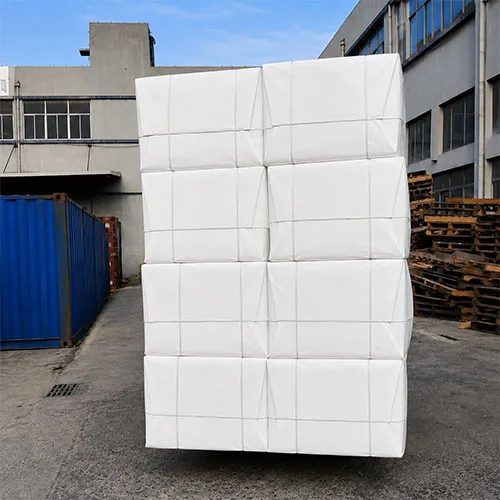
Whether bamboo toilet paper is worth the extra cost depends on the buyer’s goal. For a consumer, the goal may be comfort, septic safety, and a better environmental choice. For a distributor, the goal may be product differentiation. For a tissue brand, the goal may be building a sustainable product line with a clear story.
Bamboo toilet paper may be worth the extra cost when the product has real quality behind it. That means good softness, strength, and softness balance, clean packaging, clear material claims, and reliable supplier documentation. If a product only uses “bamboo” as a marketing word but lacks traceability or testing, the higher cost may not be justified.
For B2B buyers, “worth the extra” should be judged by market value. Can your customers accept a higher price? Does bamboo tissue help your brand enter eco-friendly retail channels? Can it support sustainable products, private label tissue, hotel supply, or premium food service hygiene programs? If yes, switching to bamboo toilet paper can be a smart product strategy.
Sustainability affects cost because better sourcing and cleaner production often require extra work. Bamboo grows quickly, can regenerate from its root system, and is widely discussed as a renewable non-wood fiber source. FAO recognizes bamboo’s many uses, including pulp and paper, and highlights its environmental roles in landscapes and soil protection.
Bamboo grows quickly, but the final environmental impact still depends on how the bamboo is harvested, processed, transported, and converted. Bamboo toilet paper can be better for the planet when the raw material is responsibly sourced, the supply chain is efficient, and the product avoids unnecessary plastic packaging.
Carbon emissions also depend on freight distance and energy sources. A bamboo product shipped across the world may have a different footprint from locally made recycled paper. This is why sustainability claims should be specific. “Renewable bamboo” is helpful, but serious buyers should also ask about pulp origin, processing, packaging, and logistics.
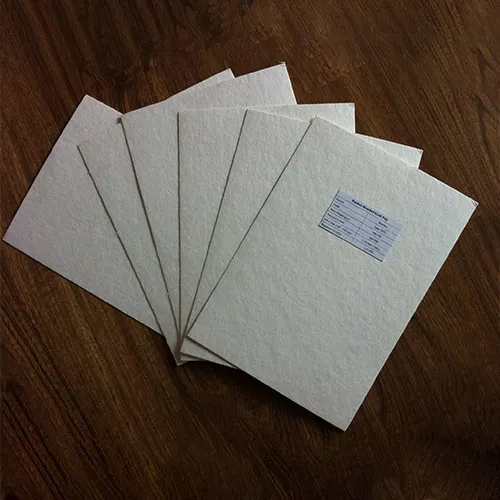
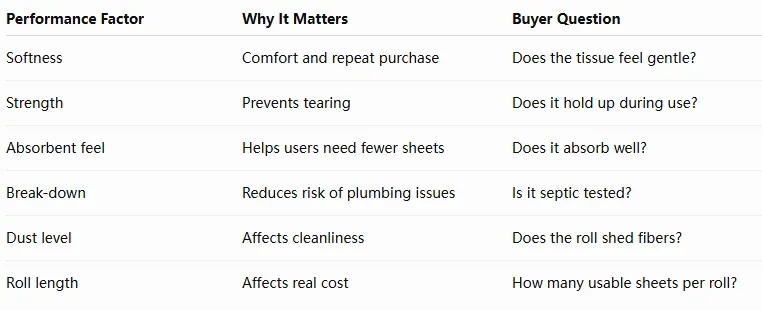
Good bamboo toilet paper can perform well in softness, strength, and absorbency. Bamboo fibers can be processed into a smooth tissue sheet, and many bamboo toilet paper brands market their products as soft, strong, and comfortable. But the real feel depends on fiber refining, sheet structure, ply count, embossing, and converting technology.
Bamboo toilet paper breaks down differently depending on the recipe and sheet structure. A toilet paper made with good fiber control should disperse well enough for normal use, but septic claims must be tested. Buyers should not assume all bamboo tp is safe for every septic system. If septic performance matters, request test data.
Performance also affects cost. A cheaper bamboo toilet paper could feel rough, tear too easily, or use more sheets per visit. A higher-quality product may be more expensive per roll but more efficient in use. For private label buyers, this is important. The customer will not forgive a product just because it is eco-friendly. It still has to work.
Bamboo toilet paper and recycled paper tissue both aim to reduce pressure on forests, but they do it in different ways. Bamboo toilet paper uses virgin bamboo pulp from a fast-growing plant. Recycled paper tissue uses recovered paper fiber, which helps keep waste paper in use for longer.
EPA explains that paper fibers become shorter each time they are recycled; after about five to seven recycling cycles, the fibers become too short to bond into new paper. New fibers must then replace unusable fibers lost during the pulping process.
So, recycled paper is important, but it does not remove the need for fresh fiber. Bamboo pulp can serve as one renewable fresh fiber option. In some market positions, recycled paper may have the lower footprint. In others, bamboo paper may offer better softness, cleaner appearance, or stronger consumer appeal.
For B2B buyers, choosing between bamboo, recycled paper, and regular tissue should start with the market. Retail buyers may want a strong sustainability story. Hotel buyers may want softness and low complaints. Distributors may want reliable bulk supply.
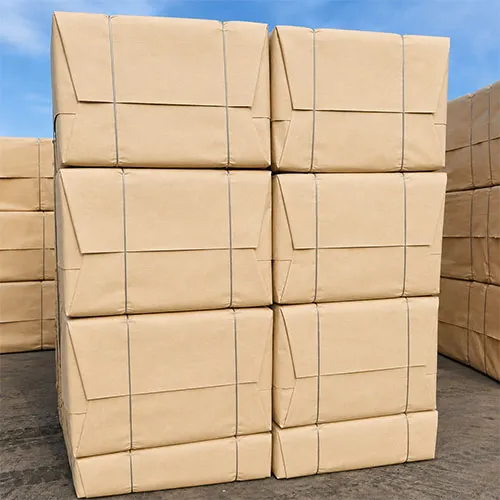
B2B buyers should check more than the label. Many bamboo toilet paper brands sound similar, but the supply chain and quality can be very different. A good product should have stable bamboo pulp, clear specifications, consistent converting, safe packaging, and reliable delivery.
Before buying bamboo tissue or bamboo paper products, check:
For buyers switching to bamboo toilet paper, sample testing is essential. Test roll feel, sheet strength, dust, wet strength, roll length, packaging, and customer feedback before making a large order.
Sheeon Pulp supports global B2B buyers with eco-friendly pulp and sustainable paper materials, including bamboo pulp, bagasse pulp, wheat straw pulp, Bible paper, and stone paper. For bamboo toilet paper and bamboo tissue supply chains, our role is mainly upstream: helping manufacturers source stable bamboo pulp raw material for paper products.
We understand why buyers are wondering why bamboo toilet paper costs more. The answer is not only “because bamboo is sustainable.” The answer is supply chain, pulp quality, processing, bleach control, export logistics, and market positioning. When the pulp is poor, the final tissue product suffers. When the pulp is stable, the factory can build a better product.
Sheeon Pulp can help buyers with:
If your company wants to buy bamboo pulp, develop bamboo tissue, or compare bamboo pulp with wood pulp and recycled paper, Sheeon Pulp can help you choose a practical, production-ready solution.
Bamboo toilet paper is often pricier because it uses a specialized bamboo pulp supply chain, controlled processing, tissue conversion, packaging, certification, and global logistics. It also targets eco-conscious buyers who value renewable fiber and lower tree reliance.
Bamboo toilet paper can be worth the extra cost if it offers good softness, strength, absorbency, reliable break-down, and a credible sustainability story. For B2B buyers, it is worth testing when the target market accepts premium eco-friendly paper products.
Bamboo toilet paper can be more sustainable than traditional toilet paper made from virgin wood pulp when the bamboo is responsibly sourced and the supply chain is controlled. However, recycled paper may also be a strong option, depending on local supply and footprint.
Bamboo toilet paper breaks down quickly only when the product is designed and tested for dispersibility. Buyers should not assume every bamboo toilet paper is septic safe. Ask for testing, especially if the product will be marketed for septic systems.
Bamboo toilet paper usually costs more per roll than regular toilet paper, but the real cost depends on sheet count, roll length, ply, packaging, freight, and how many sheets users need per use. Compare cost per usable sheet, not only cost per roll.
Bamboo and recycled paper solve different problems. Bamboo offers renewable fresh fiber and softness potential. Recycled paper keeps waste paper in use and may have a lower footprint in some markets. The best choice depends on quality, sourcing, cost, and buyer values.
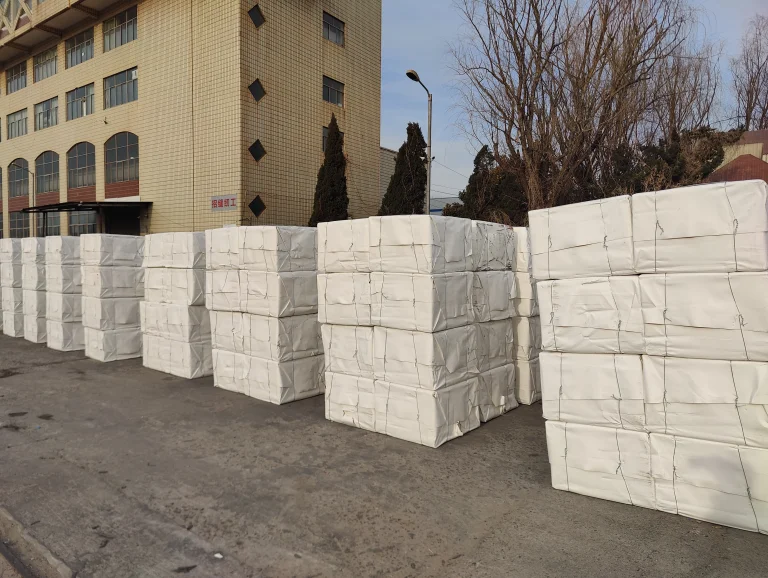
Bamboo paper is paper made wholly or partly from bamboo pulp, so buying it means choosing a pulp grade. Sheeon publishes bleached bamboo pulp at about 85% brightness with fibers longer than 1.7 mm, and unbleached at 40–43% brightness with fibers longer than 2.2 mm.

Bamboo paper is paper made wholly or partly from bamboo pulp, so buying it means choosing a pulp grade. Sheeon publishes bleached bamboo pulp at about 85% brightness with fibers longer than 1.7 mm, and unbleached at 40–43% brightness with fibers longer than 2.2 mm.