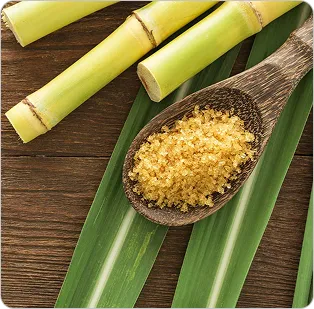
целлюлоза из багассы
Узнать больше



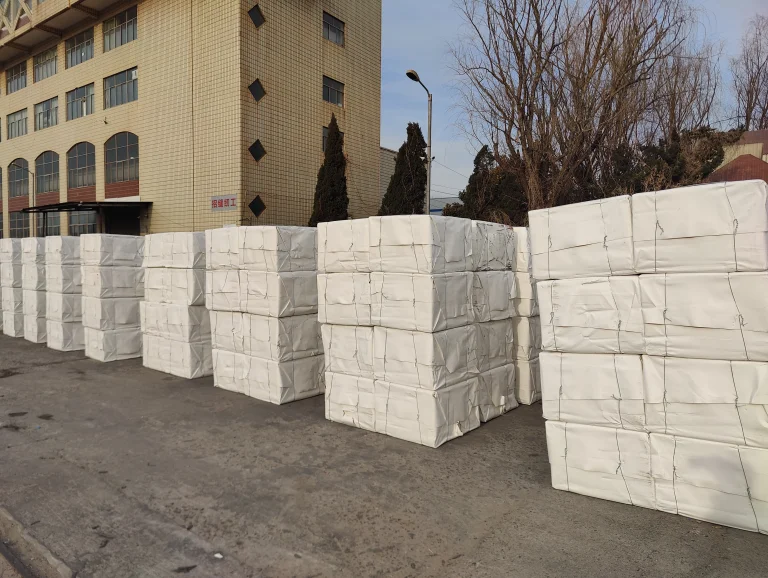
Бамбуковая бумага — это бумага, изготовленная полностью или частично из бамбуковой целлюлозы, поэтому при её покупке необходимо выбрать сорт целлюлозы. Компания Sheeon выпускает отбеленную бамбуковую целлюлозу с яркостью около 85% и длиной волокон более 1,7 мм, а также неотбеленную — с яркостью 40–43% и длиной волокон более 2,2 мм.
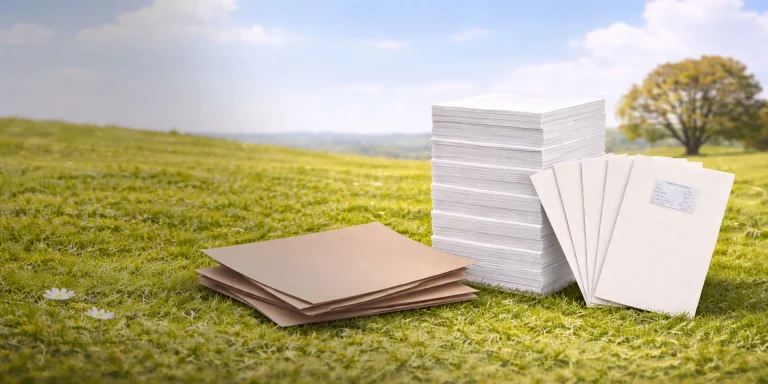
Бамбуковая бумага — это бумага, изготовленная полностью или частично из бамбуковой целлюлозы, поэтому при её покупке необходимо выбрать сорт целлюлозы. Компания Sheeon выпускает отбеленную бамбуковую целлюлозу с яркостью около 85% и длиной волокон более 1,7 мм, а также неотбеленную — с яркостью 40–43% и длиной волокон более 2,2 мм.
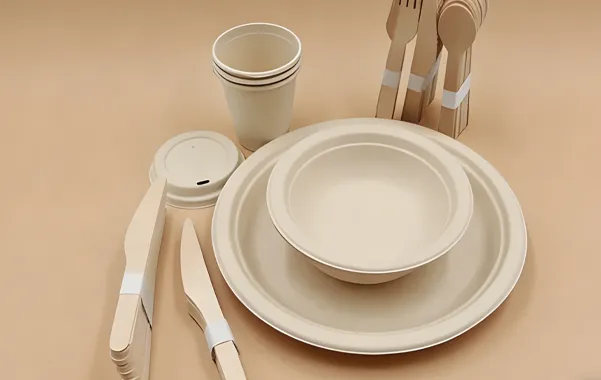
Сравните материалы для производства биоразлагаемой посуды, проверьте их компостируемость и оцените эксплуатационные характеристики в сфере общественного питания. Ознакомьтесь с ассортиментом целлюлозных материалов компании Sheeon для производства посуды.
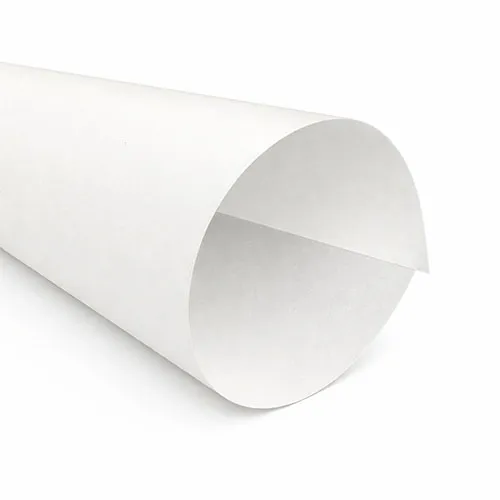
Traditional paper production has long depended on wood resources, but rising environmental concerns and supply chain challenges are pushing industries to explore better fiber alternatives. Agricultural waste is often overlooked, creating both environmental pressure and missed opportunities. Wheat straw pulp provides a practical non-wood fiber solution that transforms agricultural residue into valuable material for paper […]
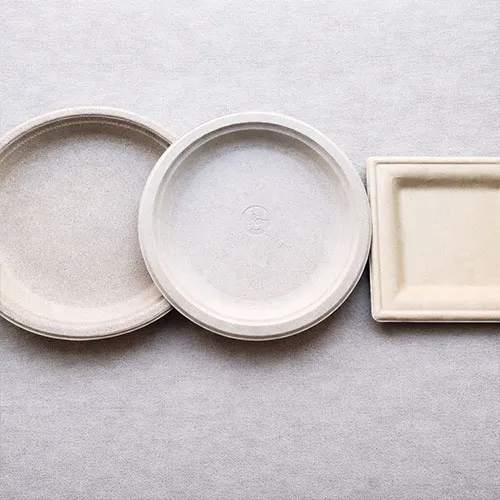
Choosing bagasse pulp for paper or molded fiber production starts with the specifications your line can accept. Brightness affects appearance; dirt count affects visible defects; moisture, beating degree and delivery format affect receiving and processing. A product description that says only “sugarcane pulp” cannot answer those purchasing questions. This guide compares Sheeon’s published specifications for […]