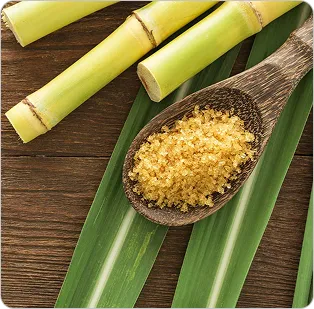
لب تفل قصب القصب
اعرف المزيد



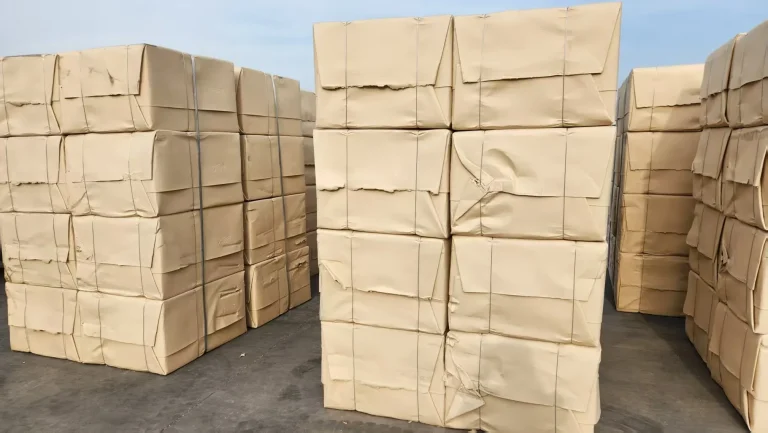
تُعرف بقايا قصب السكر بأنها المخلفات الليفية المتبقية بعد سحق سيقان قصب السكر لاستخراج العصير. ومثل أي مادة لجنوسليلوزية، يتكون بشكل أساسي من السليلوز والهيميسليلوز واللجنين، بالإضافة إلى جزء لب غير ليفي يتصرف بشكل مختلف عن الألياف أثناء المعالجة، ولهذا السبب فإن تركيبة تفل قصب السكر الخام مهمة قبل وصوله إلى مرحلة تحويله إلى عجينة الورق.
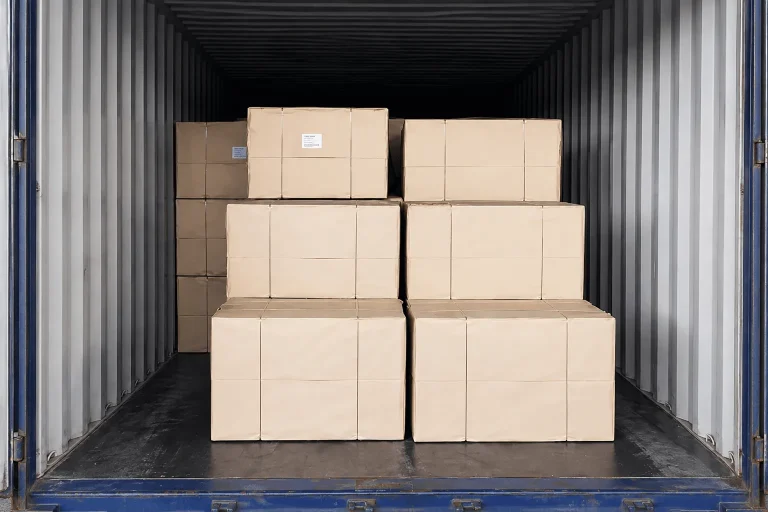
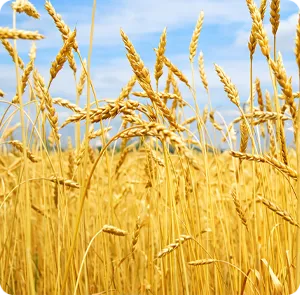
لب القش هو نوع من أنواع اللب غير الخشبي الذي يُنتج من المخلفات الزراعية، مثل قش القمح، بدلاً من ألياف الخشب التقليدية. ومن بين مختلف المواد الليفية الزراعية، أصبح لب قش القمح مادة خام بديلة مهمة لإنتاج الورق والتغليف وتطبيقات الألياف المستدامة.
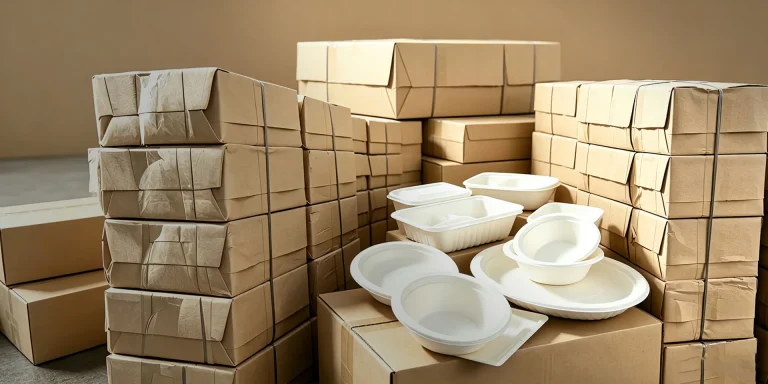
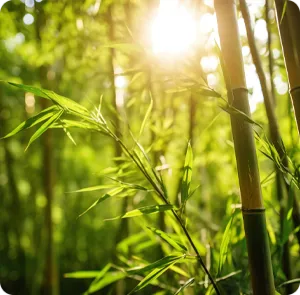
الفريق الفني لشركة «شيون بولب» | الفريق الفني للشركة | تاريخ النشر: سبتمبر 2026: تصنيع لب الخيزران هو العملية الصناعية التي تحول الخيزران إلى ألياف صالحة لصناعة الورق، وتُستخدم في إنتاج ورق الخيزران، والمناديل الورقية، وورق الطباعة، وورق التغليف، ومنتجات الألياف المقولبة، وغيرها من التطبيقات في صناعة اللب والورق. بالنسبة للمشترين الذين يتساءلون عن كيفية تصنيع لب الخيزران، فإن العملية تتضمن […]
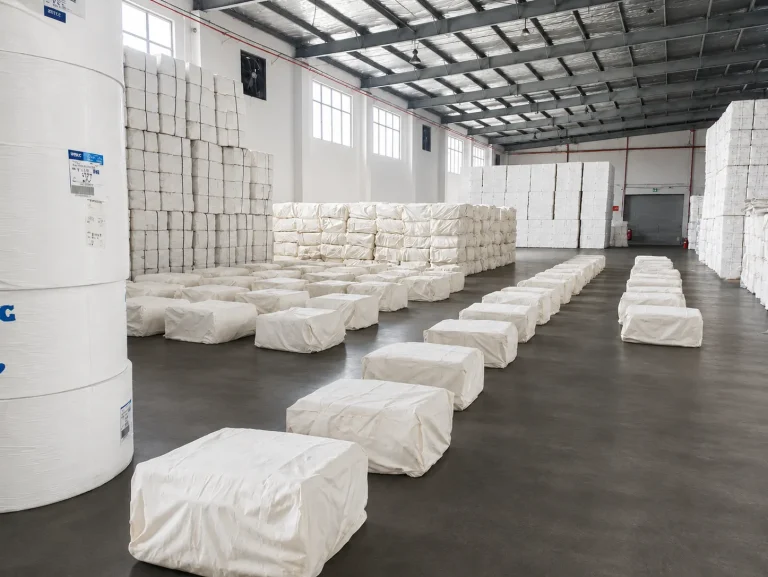
ألياف لب الخيزران هي ألياف السليلوز المستخرجة من سيقان الخيزران من خلال عمليات تحويلها إلى لب وتبييضها، وتُستخدم كبديل للب الخشب في صناعة الورق والتغليف وإنتاج الألياف المقولبة. ويحدد طول الألياف ومؤشر الشد ومؤشر التمزق — وليس السطوع وحده — أداء درجة معينة من لب الخيزران على آلة تصنيع الورق.
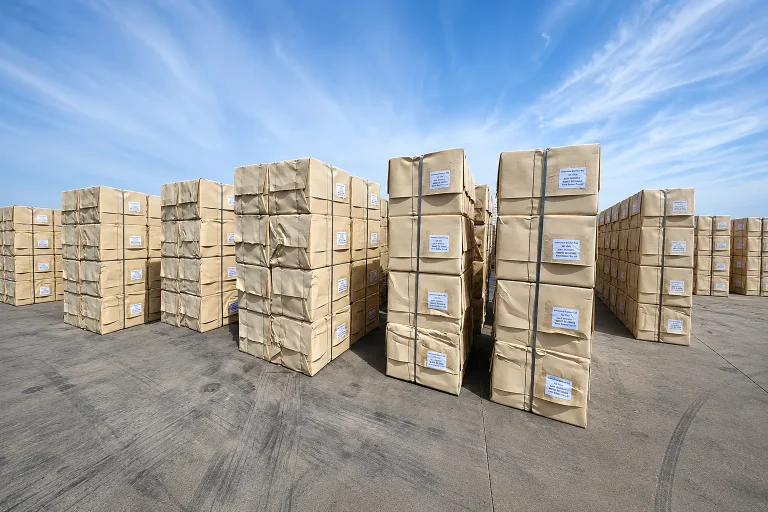
يبلغ مستوى سطوع لب الخيزران المبيض حوالي 85%، مع لزوجة تتراوح بين 600 و800 مل/غ، لكن هذين الرقمين وحدهما لا يكفيان لتحديد ما إذا كانت الدفعة ستعمل بشكل سلس على خط إنتاج المناديل الورقية أو خط الطباعة. توضح ورقة المواصفات هذه تفاصيل كل معلمة من المعلمات المنشورة وما تتنبأ به فعليًّا لكل تطبيق.