لب تفل قصب القصب
اعرف المزيد



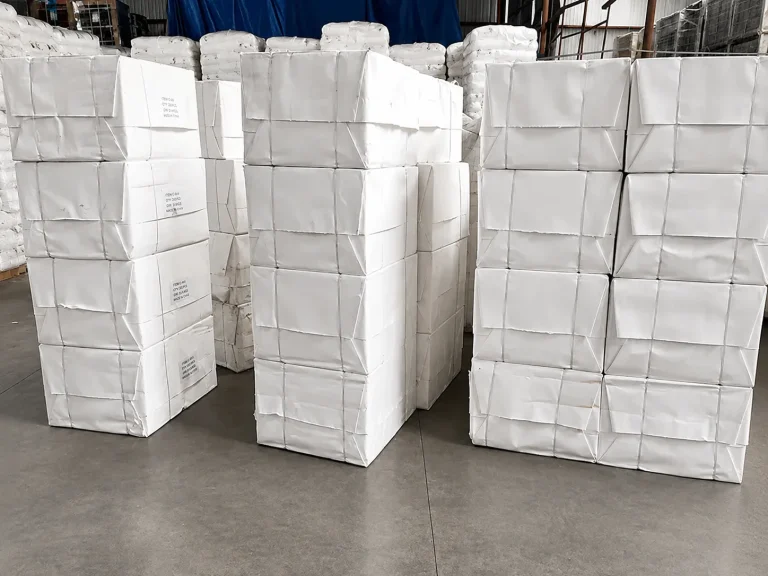
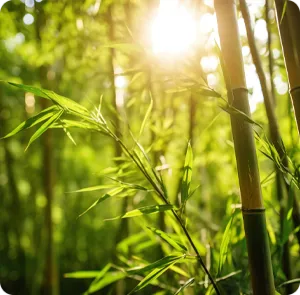
Bamboo pulp comes in two commercial grades — bleached (roughly 85% brightness) and unbleached (40–43% brightness) — and the grade you choose depends on whether your line needs visual whiteness or bulk fiber strength. This guide breaks down both against tissue, printing and writing paper requirements.
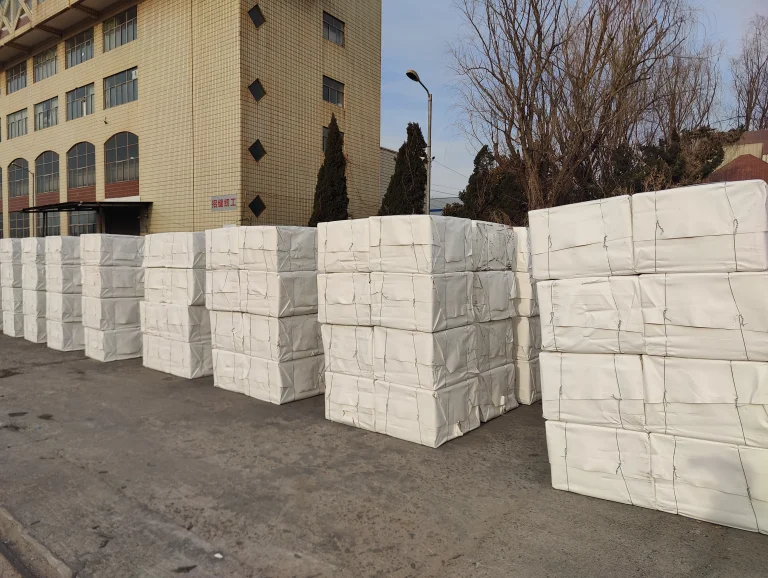
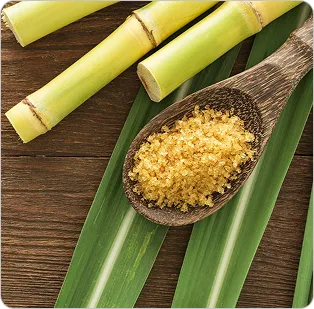
لب تفل قصب السكر هو لب ألياف قصب السكر، وتندرج معظم المنتجات المصنوعة منه ضمن ثلاث فئات: أدوات المائدة المصنوعة من الألياف المقولبة، والتغليف الوقائي أو الصناعي، والمواد الخام لمصانع الورق التي تنتج ألواح التغليف. تتناول هذه القائمة كل فئة على حدة، مستعينة بمواصفات المنتجات المنشورة بدلاً من النصوص التسويقية.
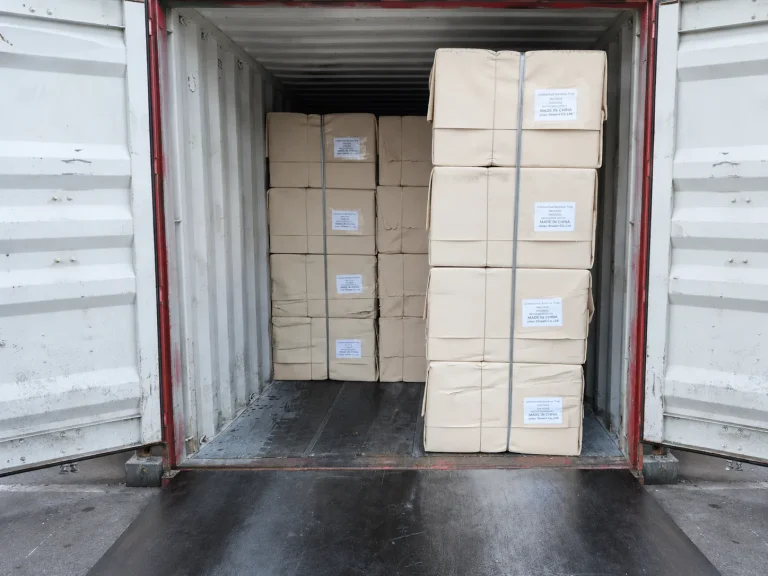
Unbleached bagasse pulp is sugarcane fiber pulp left in its natural, minimally-processed state, with brightness typically at 40–43% against the 80%+ of bleached grades. For molded fiber packaging manufacturers, that lower processing level translates into a different cost profile and a narrower — but specific — set of applications where whiteness isn't the priority.
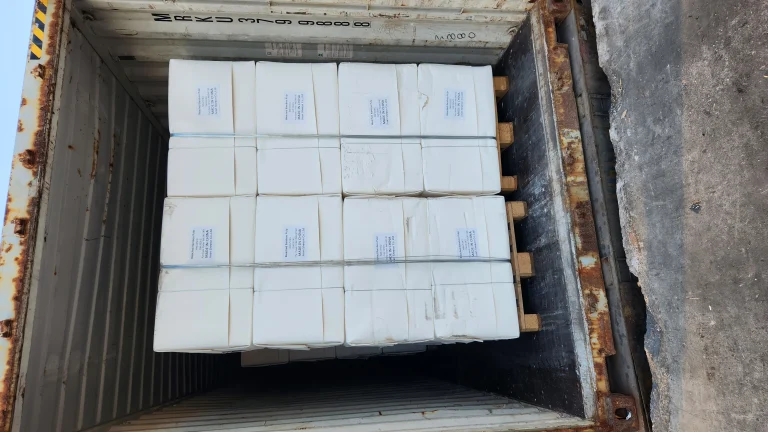
Bagasse pulp is fiber pulp made from sugarcane bagasse, the fibrous residue left after juice extraction, processed into either a bleached grade (brightness >80%) for tableware and printing applications or an unbleached grade (brightness 40–43%) for bulk packaging and industrial uses.
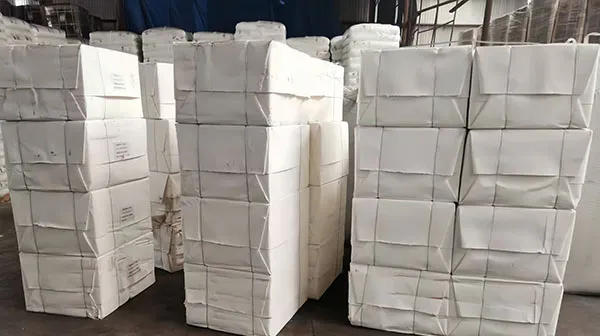
Bleached bamboo pulp is bamboo-fiber pulp processed to remove lignin and color, reaching roughly 85% brightness with fiber length above 1.7 mm. For tissue and household paper manufacturers, it functions as a long-fiber component blended with softwood or other pulp to improve sheet strength while keeping the furnish plant-based rather than wood-only.