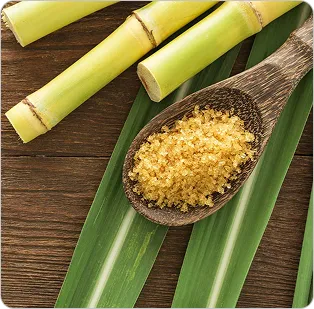
bagasse pulp
Learn More



Sugarcane bagasse is the fibrous residue left after sugarcane stalks are crushed to extract juice. Like any lignocellulosic material, it's made up mainly of cellulose, hemicellulose, and lignin, plus a non-fibrous pith fraction that behaves differently from the fiber during processing, which is why raw bagasse composition matters before it ever reaches a pulping step.
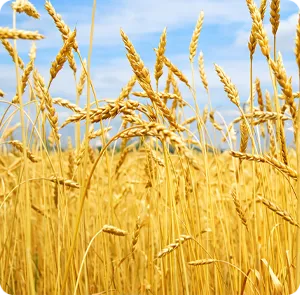
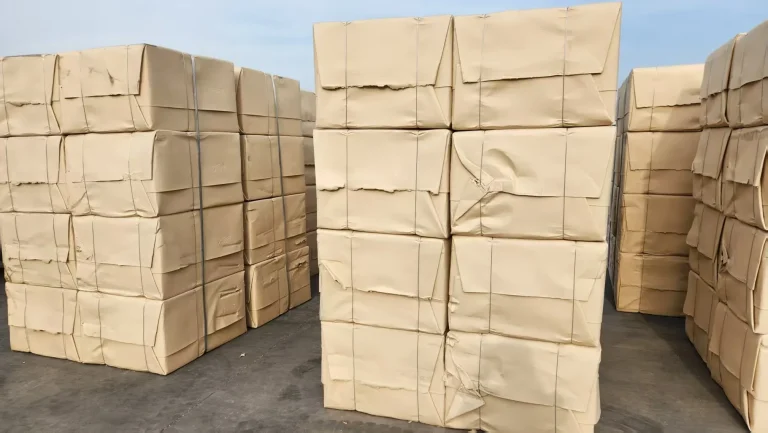
Straw pulp is a type of non-wood pulp produced from agricultural residues such as wheat straw instead of traditional wood fiber. Among different agricultural fiber materials, wheat straw pulp has become an important alternative raw material for paper production, packaging, and sustainable fiber applications.
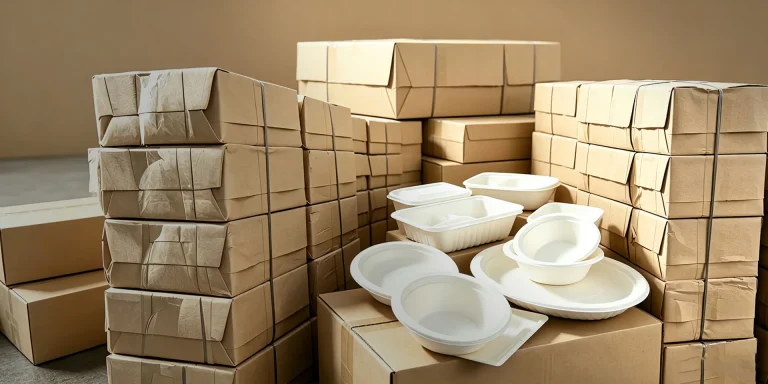
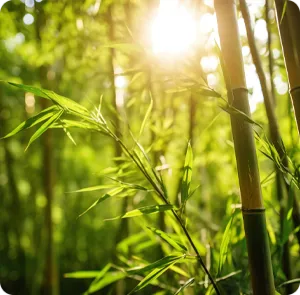
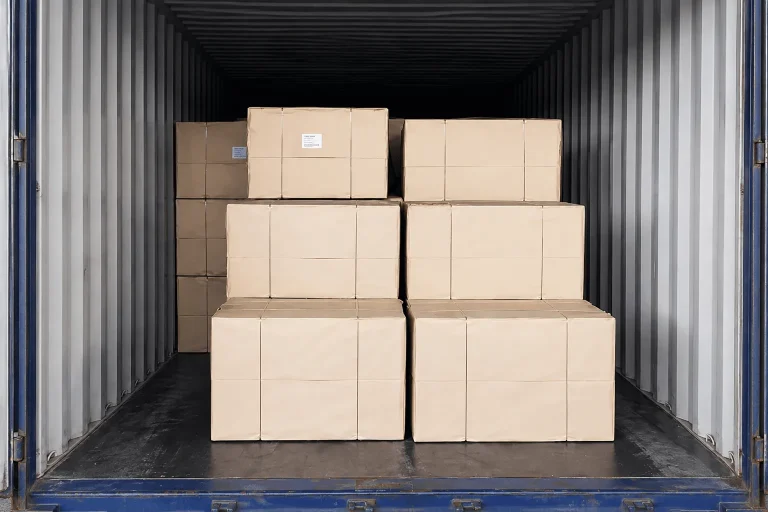
Sheeon Pulp Technical Team | Corporate Technical Team | Published: September 2026 Bamboo pulping is the industrial process that converts bamboo into paper-grade fiber for bamboo paper, tissue, printing paper, packaging paper, molded fiber products, and other applications in the pulp and paper industry. For buyers asking how bamboo pulp is made, the process involves […]
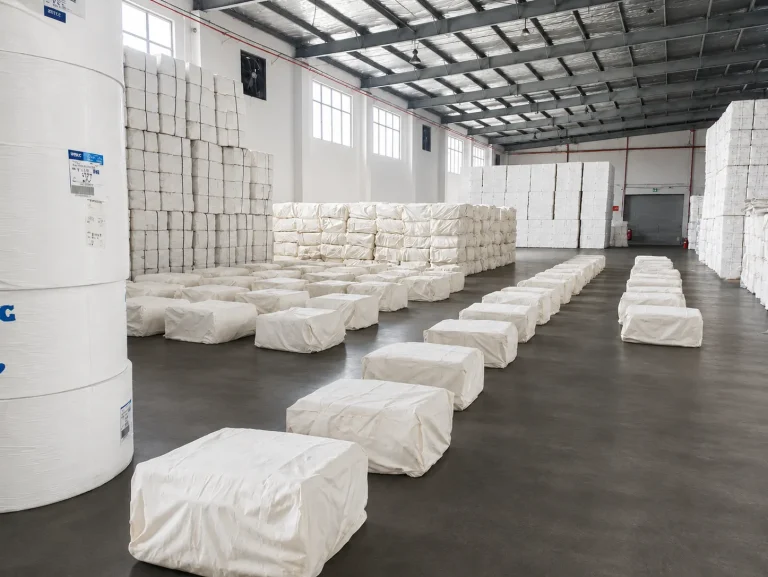
Bamboo pulp fiber is the cellulose fiber extracted from bamboo stalks through pulping and bleaching, used as a wood-pulp alternative in paper, packaging, and molded-fiber production. Fiber length, tensile index, and tear index, not brightness alone, determine how a given bamboo pulp grade performs on a paper machine.
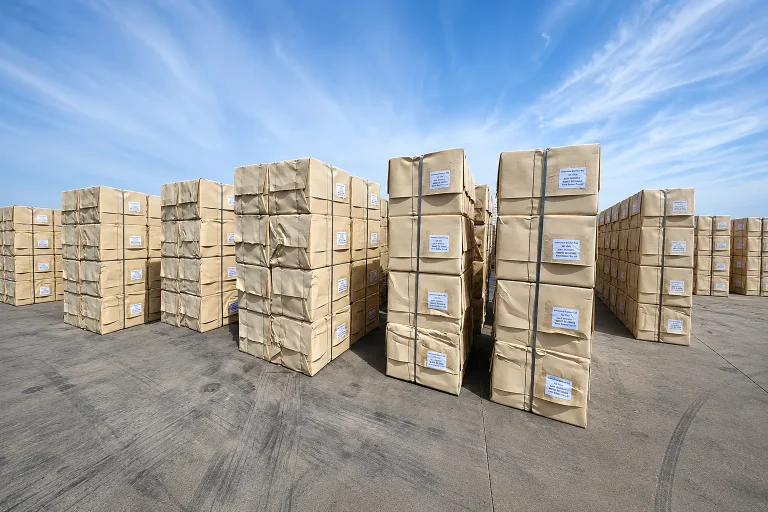
Bleached bamboo pulp runs approximately 85% brightness with viscosity in the 600–800 ml/g range, and those two numbers alone don't tell you whether a lot will run cleanly on a tissue or printing line. This spec sheet breaks down every published parameter and what it actually predicts for each application.