bagasse pulp
Learn More



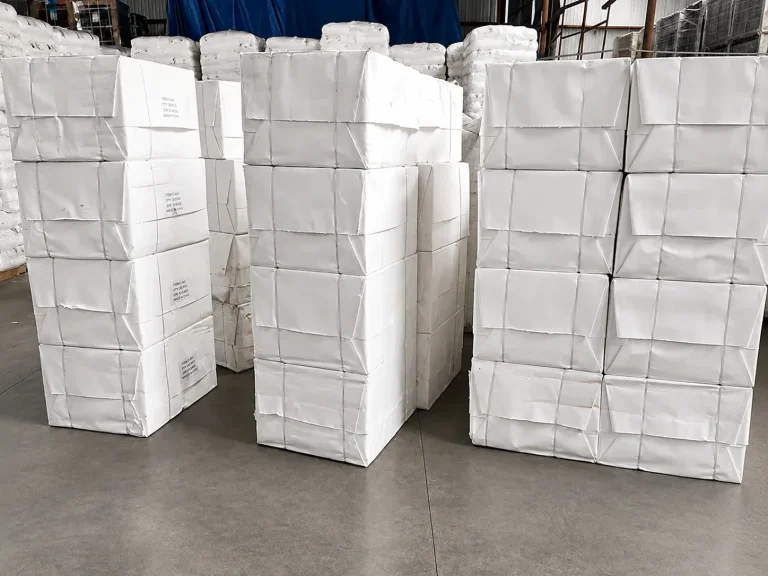
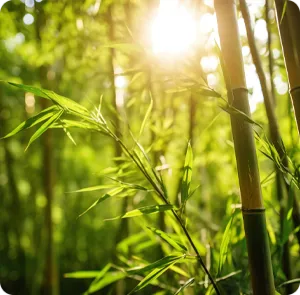
Bamboo pulp comes in two commercial grades — bleached (roughly 85% brightness) and unbleached (40–43% brightness) — and the grade you choose depends on whether your line needs visual whiteness or bulk fiber strength. This guide breaks down both against tissue, printing and writing paper requirements.
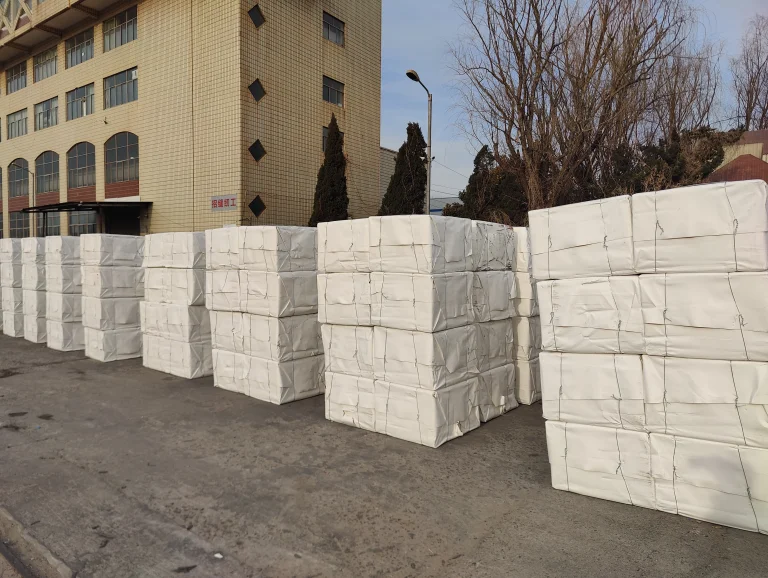
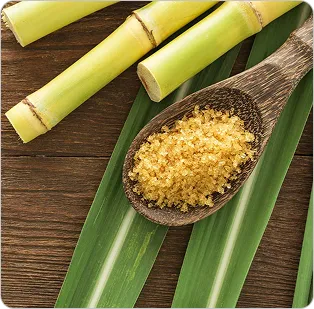
Bagasse pulp is sugarcane fiber pulp, and most of what gets made from it falls into three categories: molded fiber tableware, protective or industrial packaging, and furnish for paper mills producing packaging board. This list works through each, using published product specifications rather than marketing copy.
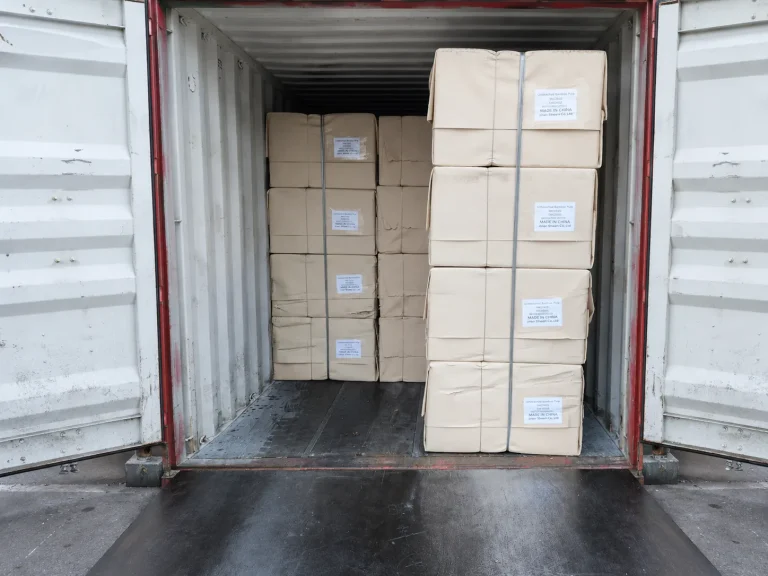
Unbleached bagasse pulp is sugarcane fiber pulp left in its natural, minimally-processed state, with brightness typically at 40–43% against the 80%+ of bleached grades. For molded fiber packaging manufacturers, that lower processing level translates into a different cost profile and a narrower — but specific — set of applications where whiteness isn't the priority.
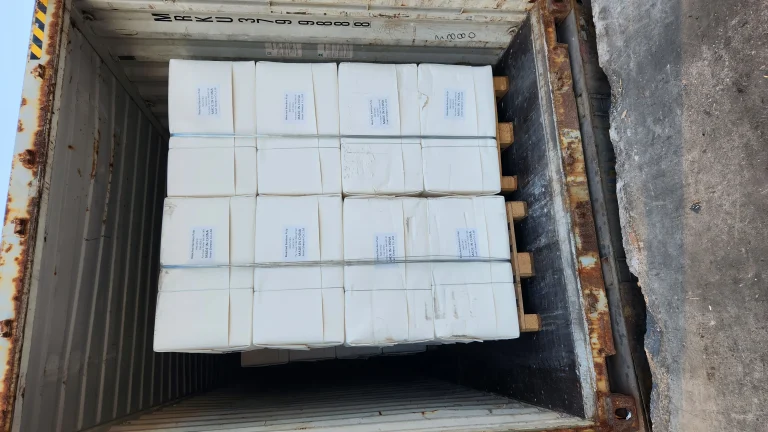
Bagasse pulp is fiber pulp made from sugarcane bagasse, the fibrous residue left after juice extraction, processed into either a bleached grade (brightness >80%) for tableware and printing applications or an unbleached grade (brightness 40–43%) for bulk packaging and industrial uses.
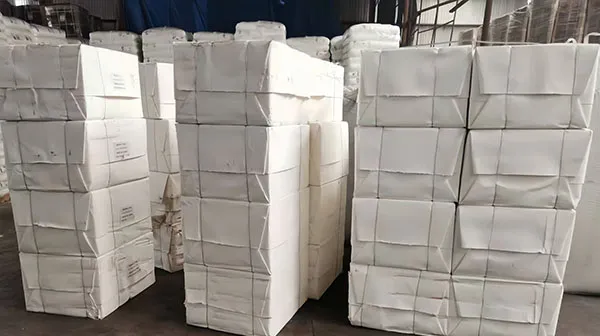
Bleached bamboo pulp is bamboo-fiber pulp processed to remove lignin and color, reaching roughly 85% brightness with fiber length above 1.7 mm. For tissue and household paper manufacturers, it functions as a long-fiber component blended with softwood or other pulp to improve sheet strength while keeping the furnish plant-based rather than wood-only.