bagasse pulp
Learn More


 11:44
11:44 Plastic bans, rising fiber costs, and uneven pulp quality make sourcing harder for packaging buyers. When brightness, safety, and forming performance all matter, one wrong pulp choice can slow production and hurt margins. Bleached bagasse pulp offers a cleaner, more reliable path.
Bleached bagasse pulp is paper pulp made from sugarcane bagasse, the fibrous residue left after juice extraction. After pulping, washing, and a controlled bleach stage, it becomes a bright, clean fiber used in biodegradable packaging, molded fiber, and tableware because it balances appearance, formability, and renewable feedstock value.
When I write for procurement teams, I like to start with the real buying question: Will this pulp help you make stable, attractive, compliant products at scale? For many food-packaging and molded-fiber lines, the answer is yes—provided the mill controls depithing, brightness, cleanliness, and batch consistency.
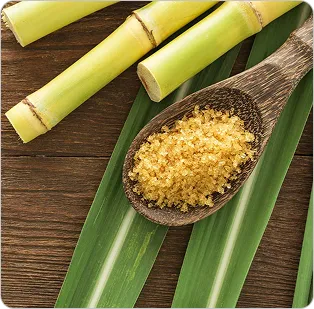
Bagasse pulp starts with sugarcane bagasse, the fibrous material left after sugar juice is removed. FAO describes bagasse as the residue from crushed cane and notes that it contains fiber, moisture, and pith, with the pith needing removal before efficient pulping. In simple terms, pulp is made by separating usable plant fibers, cleaning them, and preparing them for sheet or molded product formation.
That matters because bagasse is not just farm waste. It is a byproduct of the sugarcane industry and, in the right regions, a readily available source of non-wood fiber for the pulp and paper industry. Research also shows that sugarcane bagasse contains substantial cellulose, along with hemicellulose and lignin, which makes it suitable for chemical pulping and value-added fiber applications.
For buyers, the commercial meaning is simple: bleached bagasse pulp gives you a bright, moldable fiber base for food-contact packaging, molded products, and white-finish applications, while unbleached bagasse pulp suits more natural-looking or brown-tone products.
From a sourcing point of view, bagasse works because it comes from an agricultural stream that already exists. FAO notes that bagasse represents a significant share of crushed cane mass, and other FAO material highlights that the yield of pulp from bagasse can be commercially meaningful where collection and processing systems are in place. That makes sugarcane fiber a practical raw material in selected markets.
There is also a sustainability reason. In many applications, using bagasse helps turn sugarcane residue into value rather than leaving it as a low-value fuel or waste stream. For buyers under pressure to reduce wood dependence or support sustainable packaging, this makes bagasse an attractive, more renewable option—especially for molded fiber and food service packaging.
The pulping and bleaching of bagasse usually begins with cleaning and depithing, followed by alkaline cooking to separate fibers. Scientific literature on bagasse pulping frequently discusses soda pulping and related alkaline methods because they work well with non-wood fibers. The purpose is to remove enough lignin and non-fibrous material to create clean fiber with acceptable yield, brightness potential, and downstream performance.
After pulping, the bleaching process improves brightness and cleanliness. Research on bagasse has examined routes using oxygen-based systems and hydrogen peroxide, as well as totally chlorine free approaches. This is why buyers often ask whether the pulp is made with chlorine bleaching, chlorine free bleaching, or other lower-impact bleaching agents. The short answer is that different bleach routes can reach different cost, brightness, and environmental outcomes.
A well-run mill aims for a low kappa number before final bleach stages, because less residual lignin usually means easier brightening and lower bleaching cost. Studies on bagasse pulping also track viscosity, since buyers want brightness without over-damaging the fiber. In other words, good pulp is not just white. It must still hold useful strength.
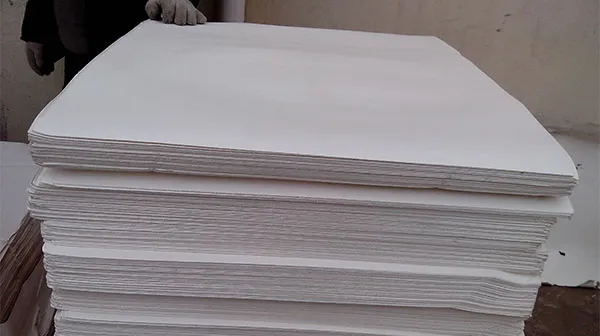
The short reason is fit-for-use. Reviews on molded fiber packaging show that bagasse, wheat, and bamboo are increasingly used for food packaging because of availability, renewability, and improved molded-pulp processing. Separate research has also shown that bagasse-based or bagasse-blend products can be biodegradable, compostable, and safe for food-contact-style applications when properly engineered.
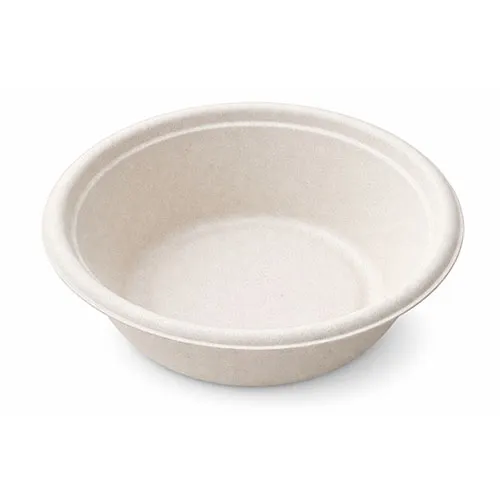
That is why so many converters use bagasse pulp plate, bowl, clamshell, and pulp tray formats. In food service, the fiber needs to form well, dry well, trim cleanly, and support acceptable appearance. For many buyers, pulp offers a useful balance between processability and sustainability—especially when replacing foam or part of the disposable paper and plastic mix.
If you make tableware bagasse items or molded food packs, these are the search terms buyers often use:
Those phrases matter because they signal real purchase intent, not just general reading interest.
It can be, but buyers should ask precise questions. On the product side, molded-pulp research shows that fiber-based food packaging can be safe and hygienic when designed for food contact and processed correctly. On the sustainability side, bagasse works well because it uses a non-wood agricultural stream and supports circular-material thinking in packaging.
Still, I always tell buyers not to stop at the word eco-friendly. Ask about mill cleanliness, ash content, odor control, migration testing, brightness range, and whether the supplier supports food-contact documentation. Pulp is sustainable only when sourcing, process chemistry, wastewater handling, and end-use performance all line up.
For a serious B2B brand like Sheeon Pulp, the value is not only in selling fiber. It is in helping customers build packaging solutions that answer real market demands for cleaner materials, export consistency, and lower-risk sourcing.
In real procurement work, buyers rarely compare one fiber in isolation. They compare bagasse with kraft pulp, bamboo pulp, recycled paper pulp, and sometimes specialty fibers depending on brightness target, molded shape, and cost. Reviews on molded packaging note that non-wood sources like bagasse, wheat, and bamboo are replacing some wood-based inputs in selected applications because of availability and fast renewability.
A practical way to think about it is this: softwood kraft pulp is often valued for strength, hardwood kraft pulp for papermaking balance, bamboo pulp for non-wood performance, recycled paper pulp for circular cost-focused systems, and abaca pulp or dissolving pulp for more specialized fiber needs. If you are making molded packs, the best blend depends on drainage, brightness, and pulp strength, not on one marketing claim alone.
Research on bagasse also shows that blending can improve performance. One study on friendly pulping and bleaching reported that blending with bamboo pulp could improve strength properties, while another showed safe compostable tableware made by combining bamboo fiber with bagasse. That matters if your product needs better tensile behavior without losing the bagasse story.
If you are buying high-quality bleached bagasse pulp, do not focus on brightness alone. Ask for ash, dirt count, moisture, odor, drainage behavior, brightness stability, and batch-to-batch variation. A good mill should also explain whether the pulp bleached route uses peroxide-rich or other reduced-impact chemistry, how pith is controlled, and what final applications the grade is designed for.
For molded fiber buyers, I usually recommend a simple checklist:
If your line produces white plates, meal boxes, or fine-finish trays, ask for a sample run, not just a data sheet. That is the fastest way to separate premium bleached or premium bleached bagasse pulp from average commodity pulp.
Not all white pulp costs the same to make. The chemistry behind brightness can affect yield, wastewater load, chemical demand, and final appearance. Research across bagasse and broader pulp bleaching shows that peroxide-based, oxygen-based, ECF, and TCF routes can lead to different trade-offs in cost and environmental profile. So when a buyer asks about wholesale bleached pulp, the right next question is: What bleach route are you using, and what brightness are you guaranteeing?
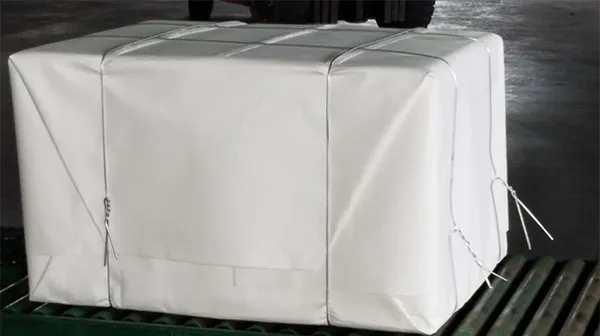
This is also where buying language gets interesting. Procurement teams may search terms like supplier bagasse, pulp suppliers, paper pulp suppliers, sugarcane pulp, sugar cane pulp, bagasse soda, or pulp bagasse when comparing mills. What they really want is lower risk: good freight packing, stable spec sheets, clear lead times, and honest discussion about whether the grade fits tableware, molded packs, or paper conversion.
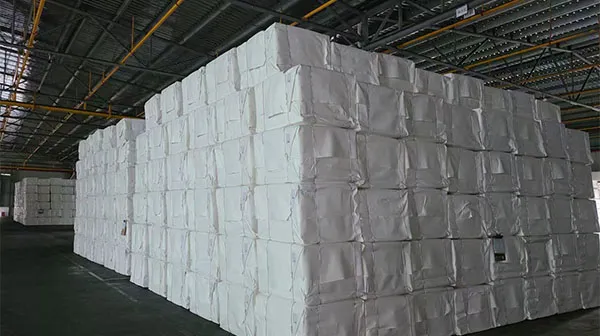
For many international buyers, working with a China supplier is less about country label and more about execution. They want a mill or trading partner that understands export documentation, sample approval, private label/OEM support, and long-run supply planning. In the molded-fiber world, the real value is production line stability: can the pulp feed cleanly, form consistently, and support your finished SKU without costly trial-and-error?
That is where a company like Sheeon Pulp can position itself well. The market does not need another generic broker. It needs a partner that understands food packaging, molded-fiber converting, and B2B purchasing logic across Europe and other compliance-focused markets. Buyers should look past the brochure and compare actual grade suitability, export support, and long-term responsiveness.
What smart buyers ask before ordering
If you sell molded fiber into retail, food service, or private-label channels, pulp is not a background material. It is a brand decision, a quality decision, and a margin decision. The right bleached bagasse pulp helps you make cleaner-looking products, defend a sustainability claim, and reduce supply risk at the same time.
That is why I see rising demand from converters, importers, and packaging board manufacturers who want a more dependable non-wood fiber partner. The opportunity is not simply to buy pulp. It is to build better export-ready packaging with a fiber story customers can understand and regulators can accept.
Yes, in normal packaging use, bleached bagasse pulp is generally considered a biodegradable fiber material because it comes from plant-based cellulose and is widely used in compostable molded fiber applications. Final biodegradation depends on product design, additives, and disposal conditions.
Not always. It is better when you need a cleaner white look, tighter visual quality, or premium food-service presentation. Unbleached grades are often better when natural color and lower treatment cost matter more than brightness.
Yes. Bagasse-based molded fiber is widely used for plates, bowls, clamshells, and tray formats, especially where brands want a plastic alternative with a strong renewable-material story.
Ask about brightness, dirt count, ash, odor, bleach chemistry, food-contact suitability, packaging method, and whether the grade has already been tested in molded-fiber or food-packaging applications. Request a sample trial before committing to volume.
There is no one-size-fits-all answer. It depends on refining, blending, final product design, and whether you need stiffness, appearance, drainage, or strength. Some studies show bamboo can improve bagasse blend strength in selected applications.
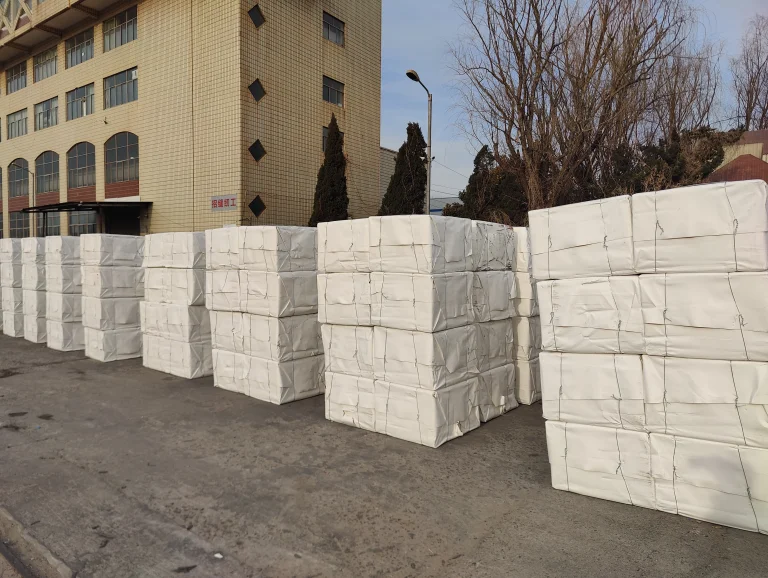
Bamboo paper is paper made wholly or partly from bamboo pulp, so buying it means choosing a pulp grade. Sheeon publishes bleached bamboo pulp at about 85% brightness with fibers longer than 1.7 mm, and unbleached at 40–43% brightness with fibers longer than 2.2 mm.

Bamboo paper is paper made wholly or partly from bamboo pulp, so buying it means choosing a pulp grade. Sheeon publishes bleached bamboo pulp at about 85% brightness with fibers longer than 1.7 mm, and unbleached at 40–43% brightness with fibers longer than 2.2 mm.