bagasse pulp
Learn More



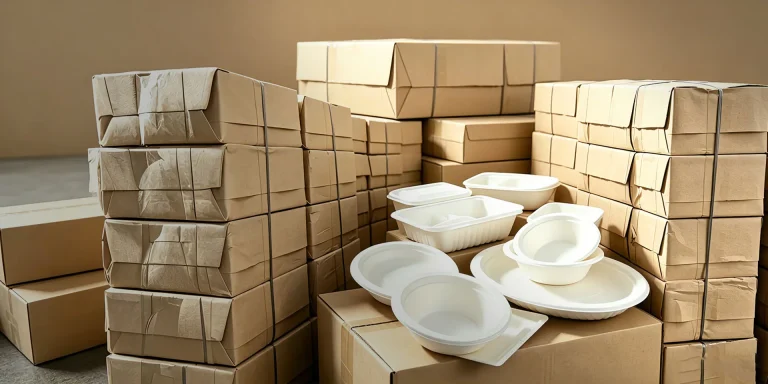
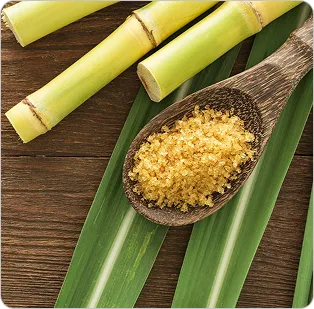
Bagasse paper plates are made by re-pulping dried bagasse pulp into a water slurry, forming it into plate shapes on a mesh mold, pressing out the water, hot-pressing the shape, then drying and trimming the finished piece. The input pulp's brightness, fiber strength and dirt count set the ceiling on plate quality before molding even starts
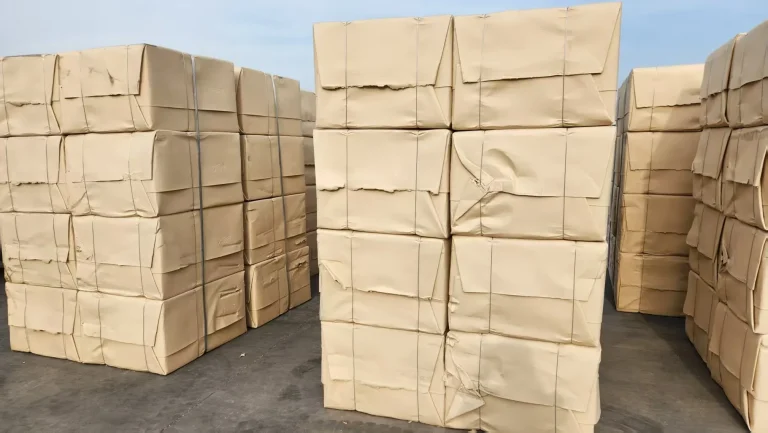
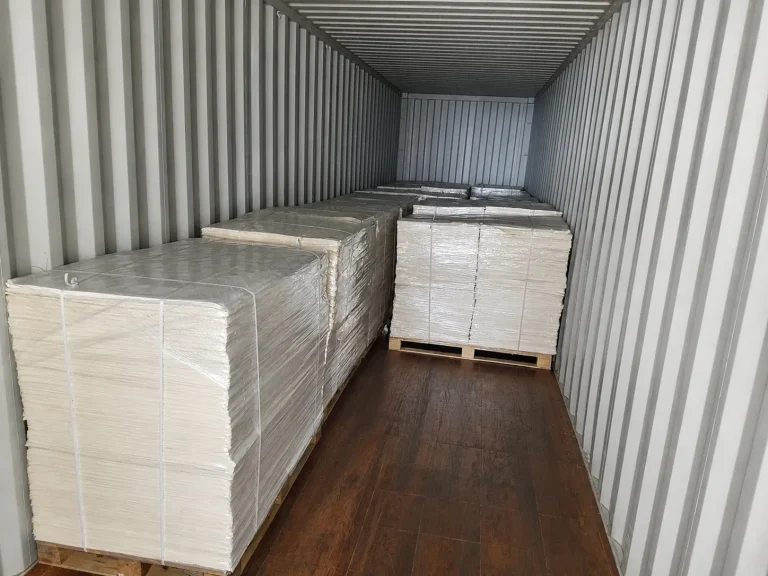
Bagasse pulp sheets come in two published formats from Sheeon: bleached sheets at 700 × 800 mm, and unbleached bales at 700 × 800 × 600 mm weighing roughly 250 kg ADMT. Which format and grade fits depends on the end use — tableware, molded packaging or paper-mill furnish — not just on price per ton.
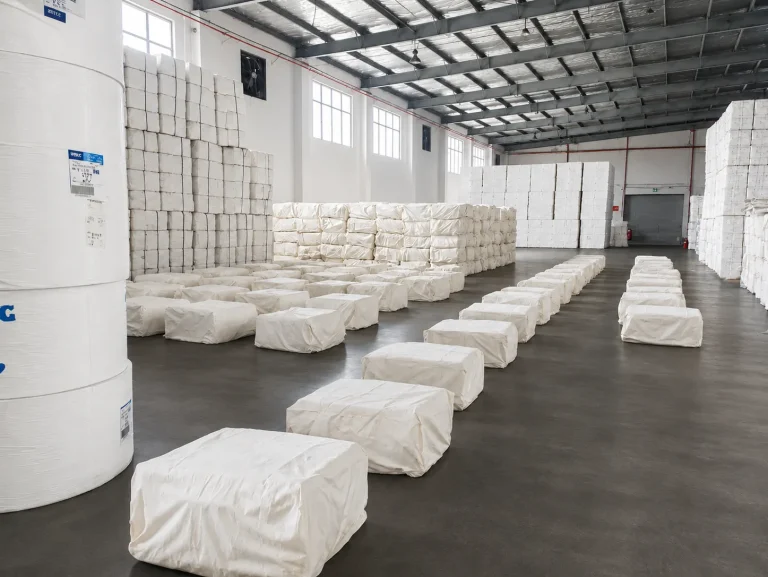
Bleached bagasse pulp is sugarcane-fiber pulp processed to remove color and lignin residue, typically reaching brightness above 80%. It's used in molded fiber tableware, food packaging board and printing-grade paper where a white base sheet and food-contact suitability both matter.
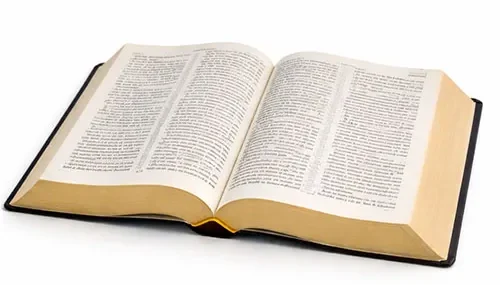
Choosing the wrong paper for a high-page-count book can create a thick spine, poor readability, heavy shipping weight, and visible print from the reverse side. For publishers and printers, the answer is Bible paper—a lightweight, high-opacity specialty paper designed for dense text, compact books, and professional printing.
Bamboo toilet paper is often more expensive because bamboo pulp requires dedicated harvesting, pulping, bleach control, tissue converting, packaging, certification, and global shipping. Compared to traditional toilet paper made from wood pulp, bamboo toilet paper may offer renewable fiber value and a lower forest impact, but its cost depends on scale, quality, and supplier reliability.